
Landscape — History & Facts
What if beauty was never meant to be finished? In the stillness of creation, there lies an aching sense of loss, echoing through every stroke of paint. Begin your exploration by looking to the horizon, where a gentle blend of muted greens and browns invites your gaze. Notice how the artist captures a fleeting moment with soft brushwork, creating a dreamlike quality that evokes the tranquility of nature. The expanse is vast, yet the details are intimate; subtle hints of texture in the foliage suggest life and decay, and the interplay of light and shadow reveals the transient beauty of the landscape.
Here, the composition draws you in, inviting you to explore the depths of its quiet solitude. Delve deeper, and you will find layers of meaning hidden within the landscape. The absence of vibrant color speaks to the melancholy of loss, a reminder that even the most beautiful scenes can hold sorrow. The patches of light, fighting their way through the clouds, suggest hope amid desolation, while the stillness of the earth beneath hints at the passage of time and forgotten memories.
In this silent dialogue, the landscape becomes a metaphor for the fragility of existence, an invitation to reflect on what we cherish and what slips away. During the years between 1945 and 1950, the artist immersed himself in a post-war world, seeking solace in the natural beauty that surrounded him. Living in a time marked by upheaval and change, he turned to painting as a means of processing profound loss. This period, rich with artistic exploration and emotional turmoil, directly influenced the creation of Landscape, revealing a desire to find peace through the beauty of the world, even as it reflected the deeper scars of his time.
More Artworks by Bob Brobbel
Browse all →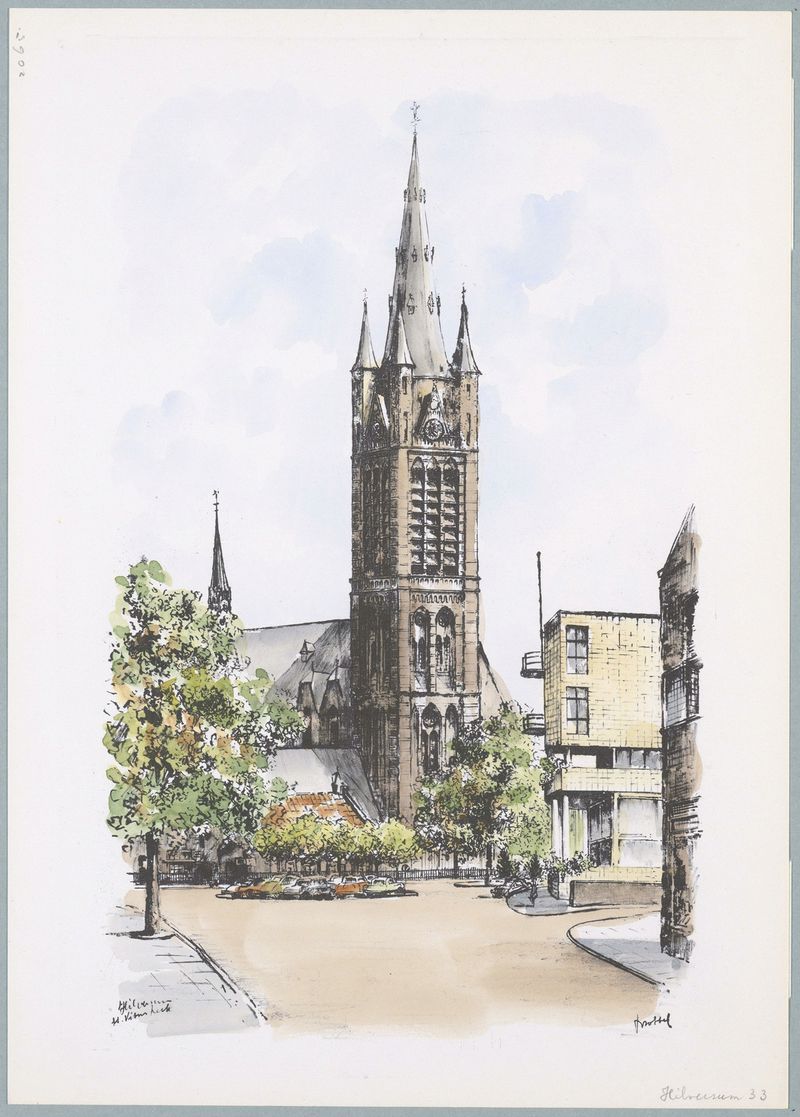
Sint Vitus kerk met hotel
Bob Brobbel
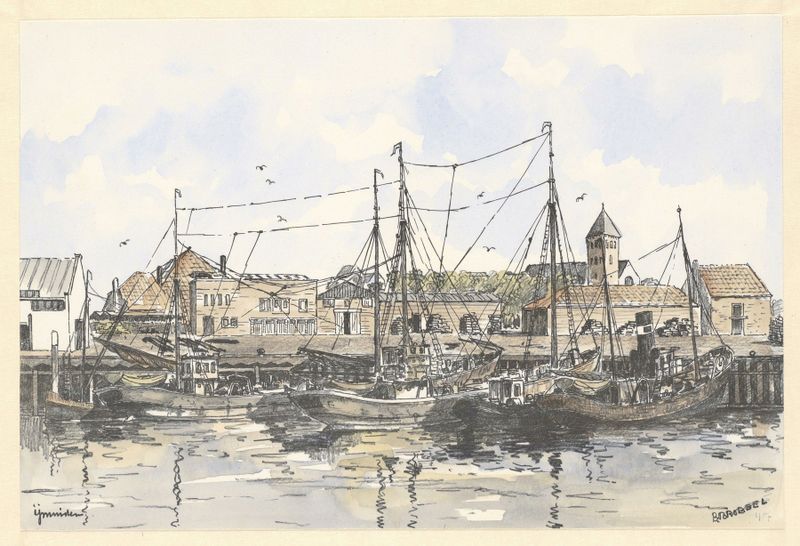
De haven van IJmuiden, met rechts op de achtergrond het Ned. Herv. kerkje (de in 1880 gebouwde kerk is in 1968 afgebroken)
Bob Brobbel

De enige in Noord-Holland bewaard gebleven standerdmolen
Bob Brobbel

Gezicht op Ouderkerk over de Amstel vanaf de Amstelzijde
Bob Brobbel

Ned. Herv. kerk
Bob Brobbel

De Kerkbrink met de oude Hervormde Kerk
Bob Brobbel

Kerk en omgeving
Bob Brobbel

De Kerkbrink met de later afgebrande oude Hervormde Kerk
Bob Brobbel
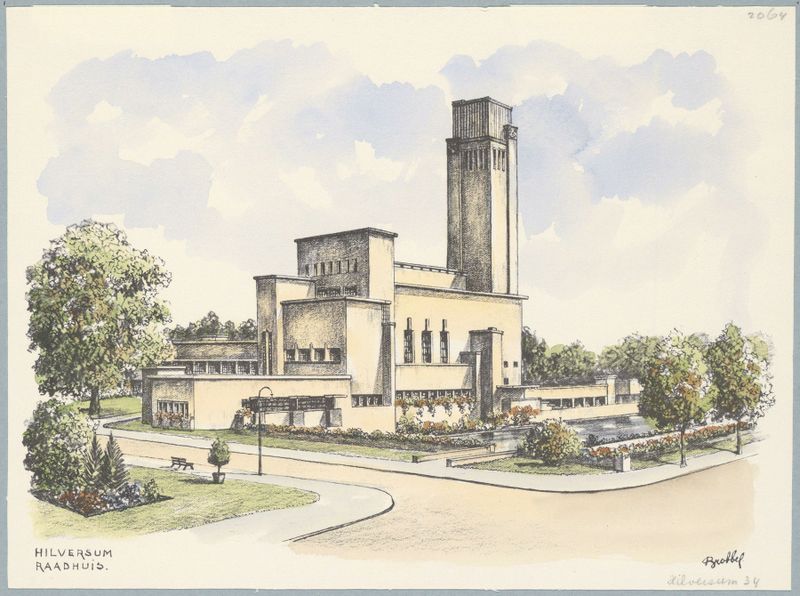
Gezicht op het Raadhuis van Hilversum
Bob Brobbel

St. Nicolaaskerk
Bob Brobbel





