
Landscape — History & Facts
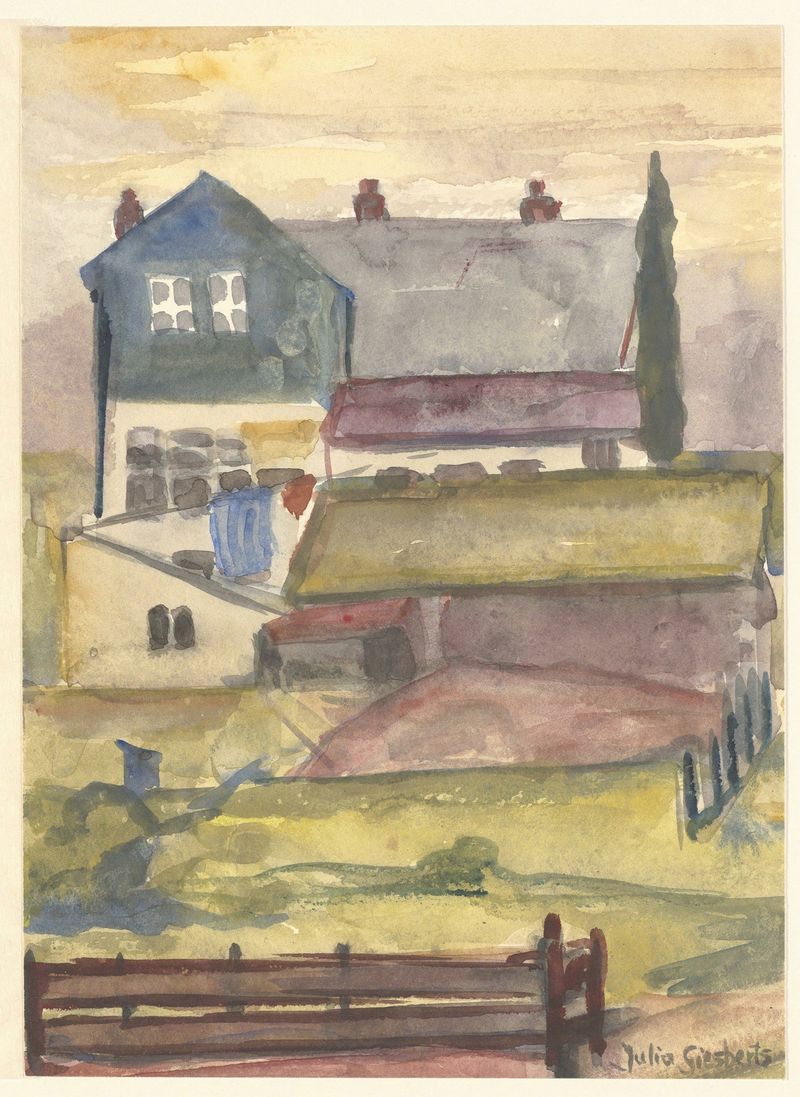
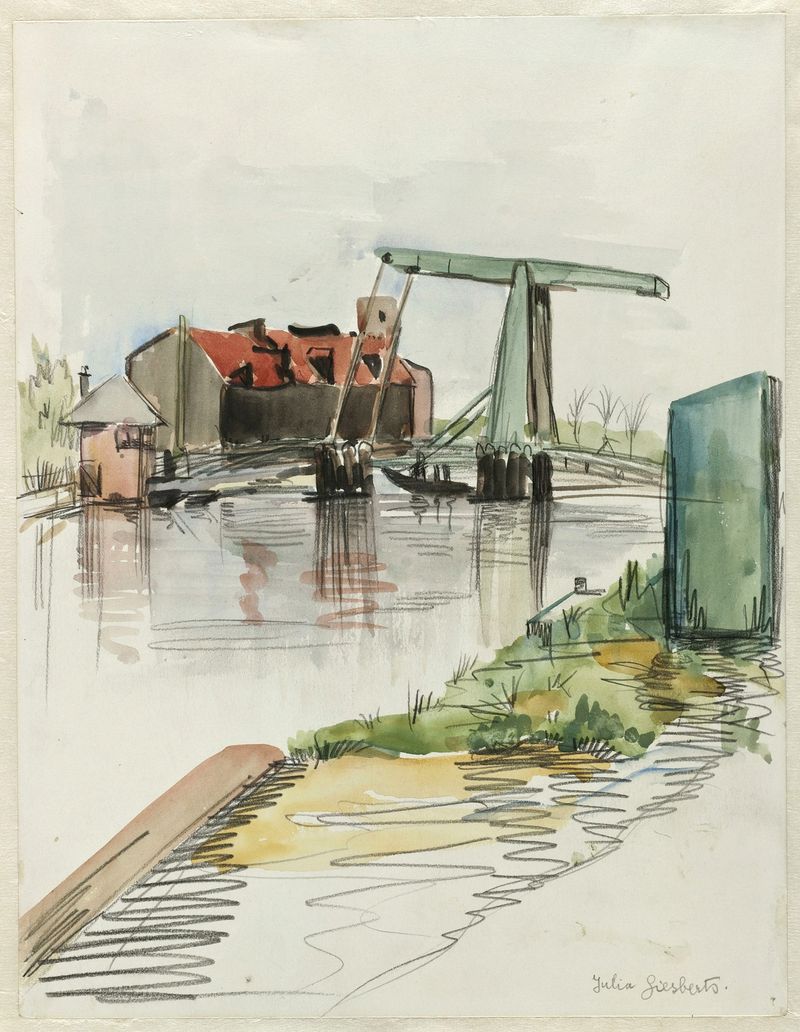
When did color learn to lie? The notion of void envelops the viewer, a stark reminder that beauty can harbor emptiness. Focus on the sweeping horizon, where bold strokes of azure and ochre collide, suggesting a world straddling the boundary between reality and illusion. The palette is both vibrant and desolate, drawing your gaze toward a foreground where brushwork vacillates between chaos and calm. The interplay of texture and hue invites contemplation, challenging the viewer to decipher the landscape’s underlying narrative. Hidden within the expanses of color lies a haunting dichotomy: the promise of a lush environment while simultaneously evoking an eerie sense of abandonment.
Look closely at the shifting shadows that dance across the canvas; they reveal a tension between the natural world and the void it hints at. Each brushstroke pulsates with emotion, conjuring feelings of longing and nostalgia, while the expansive sky looms ominously over the land, suggesting a disconnection from what once thrived. In the 20th century, Julia Giesberts produced Landscape amid a period of profound artistic experimentation, influenced by the shifting dynamics of modernism. Working in a time when abstraction was gaining prominence, she sought to express both the beauty and the void of the human experience in her landscapes.
This painting reflects her response to both personal and societal upheavals, encapsulating a moment where nature becomes a vessel for deeper existential inquiry.
More Artworks by Julia Giesberts
Browse all →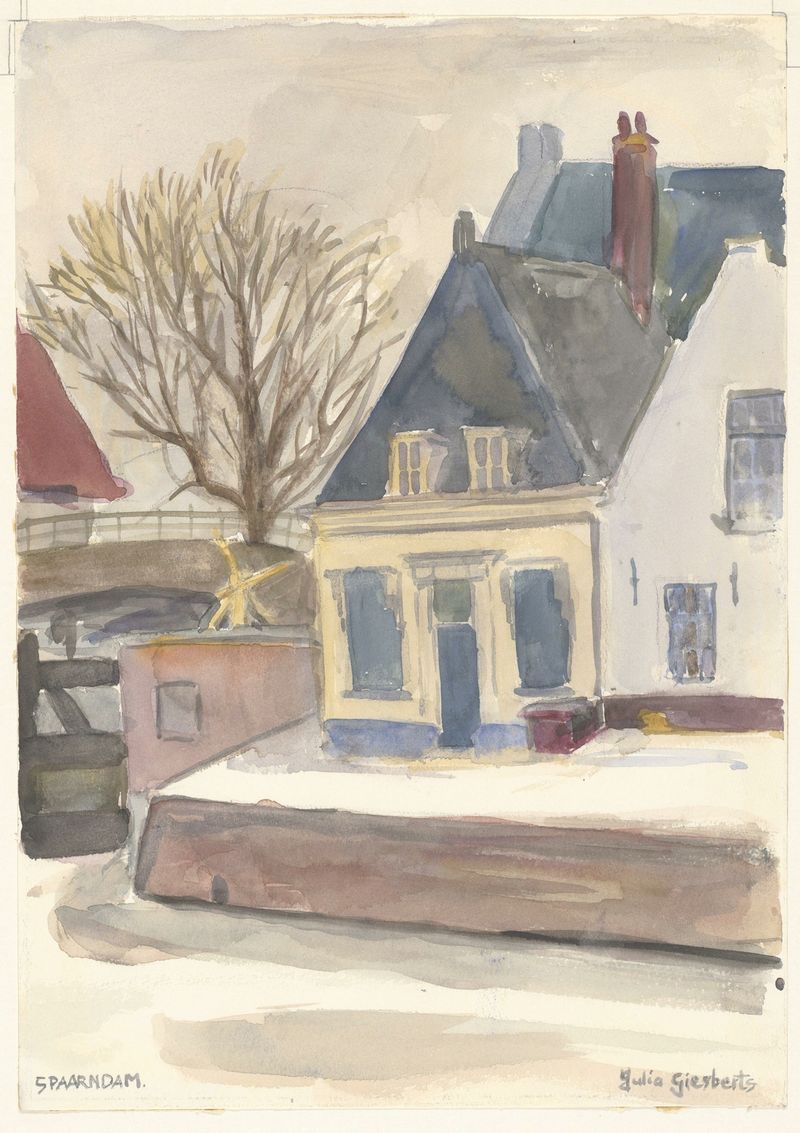
Spaarndam in de winter, links een sluisdeur
Julia Giesberts
Landscape
Julia Giesberts
Landscape
Julia Giesberts
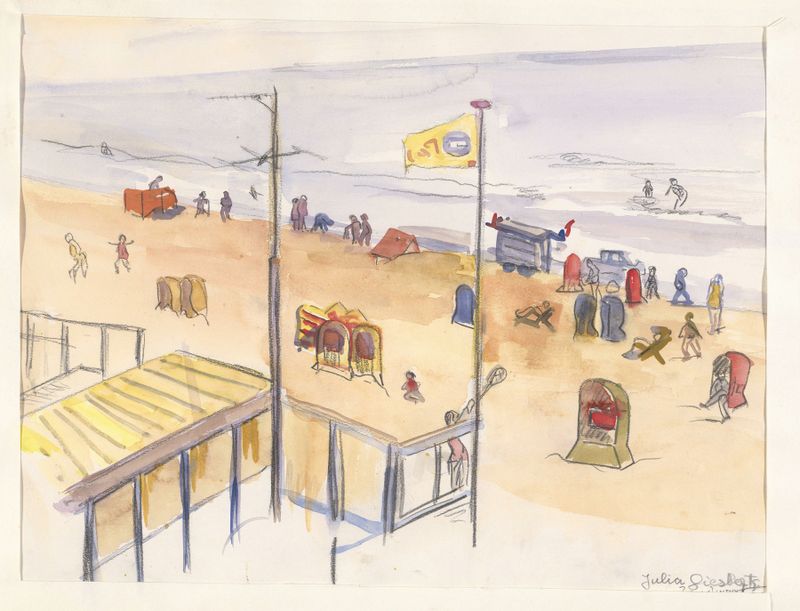
Strandleven te Zandvoort. Op het strand rieten strandstoelen en een haringkar
Julia Giesberts
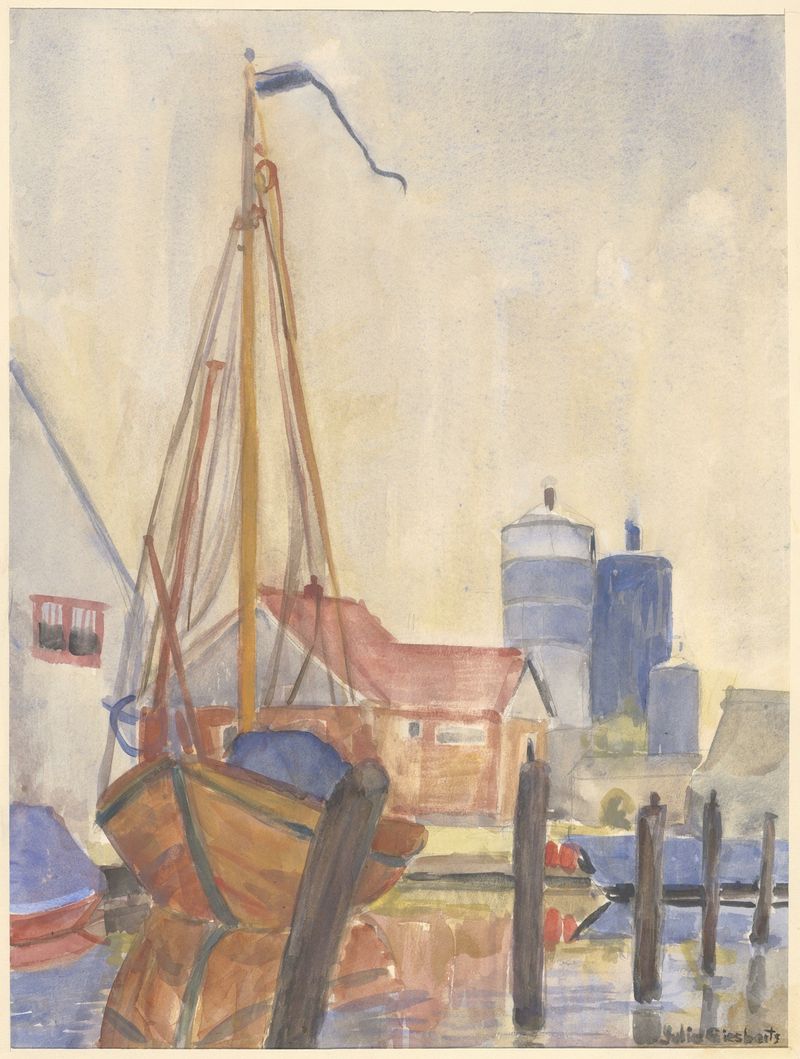
Ringvaart voorbij Aalsmeer
Julia Giesberts
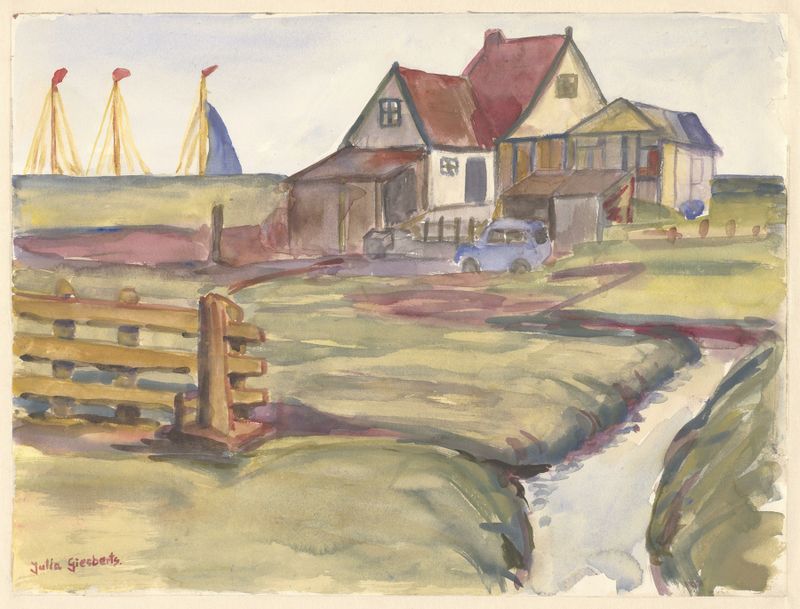
Landscape
Julia Giesberts
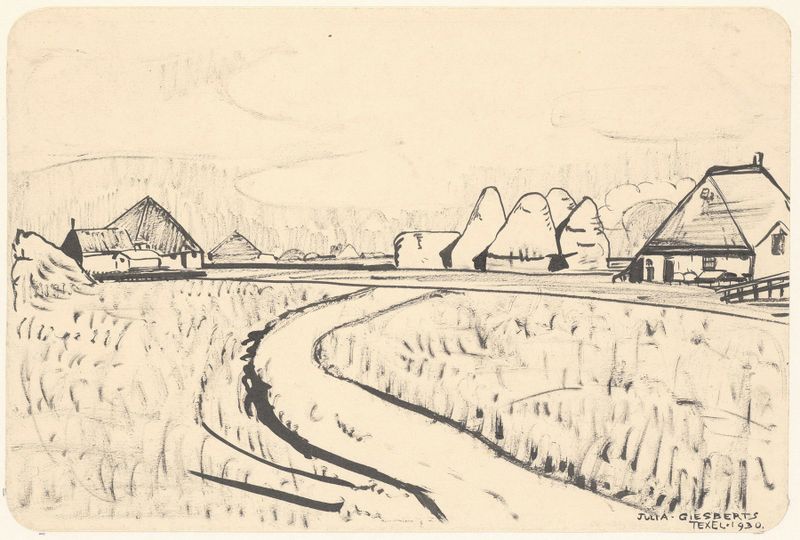
Boerderijen, mogelijk nabij Oosterend
Julia Giesberts
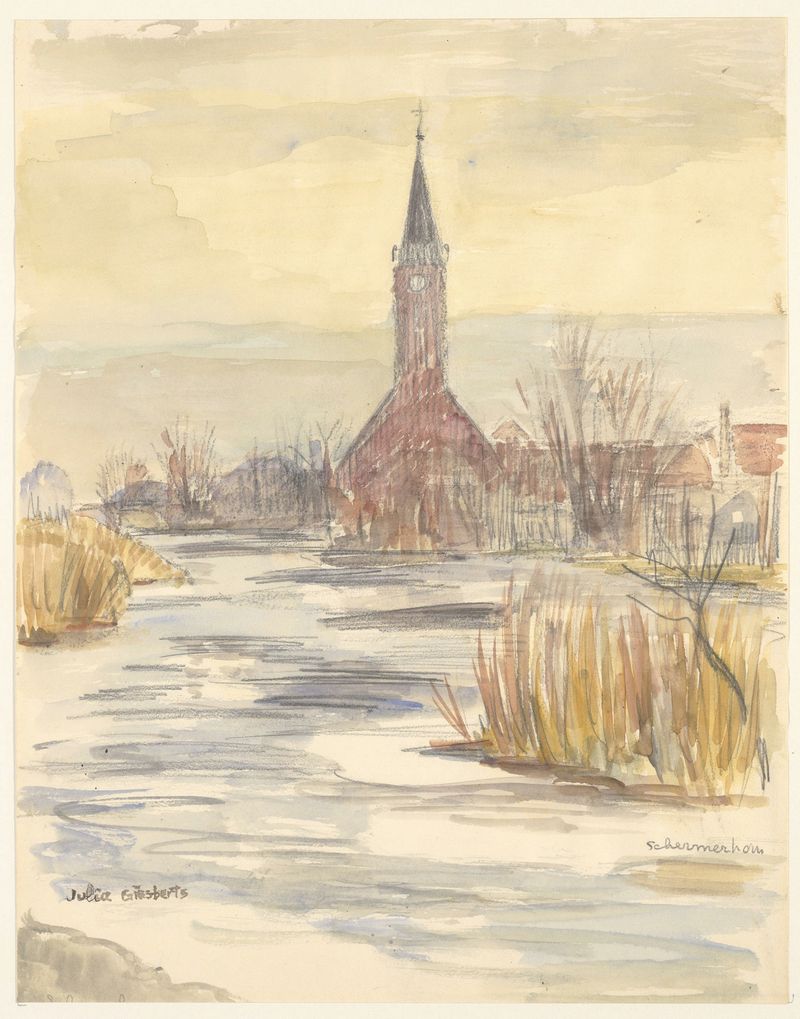
Gezicht op de kerk, op de voorgrond water
Julia Giesberts
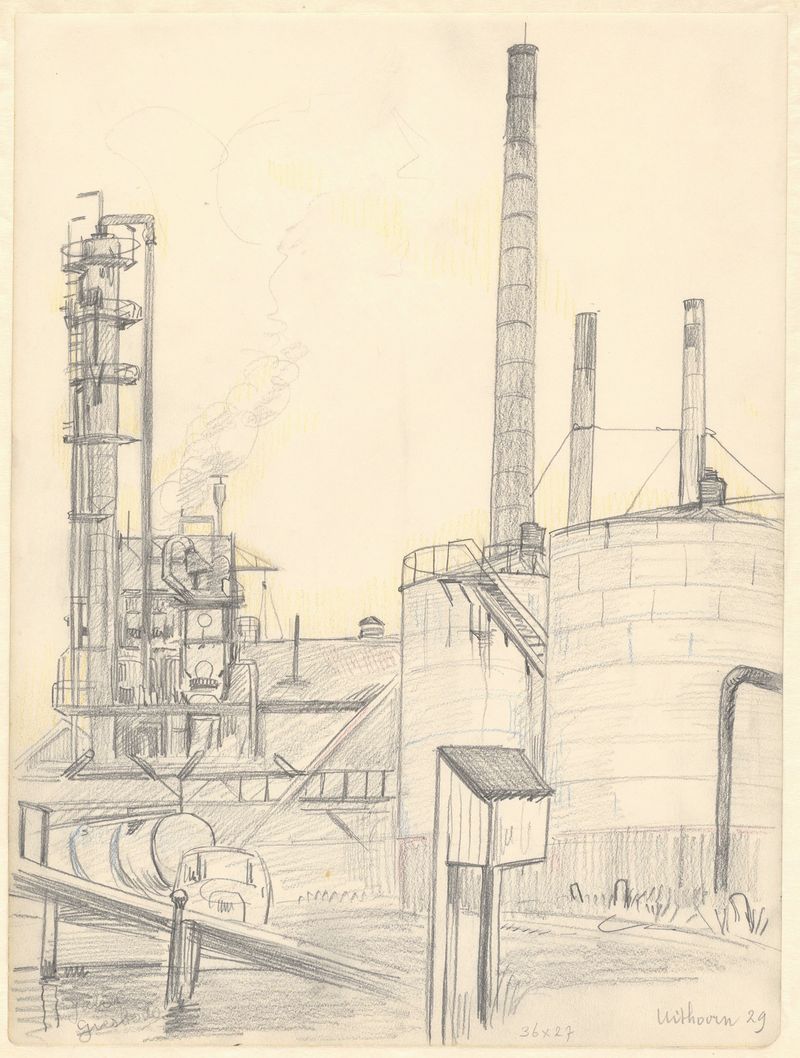
Uithoorn
Julia Giesberts
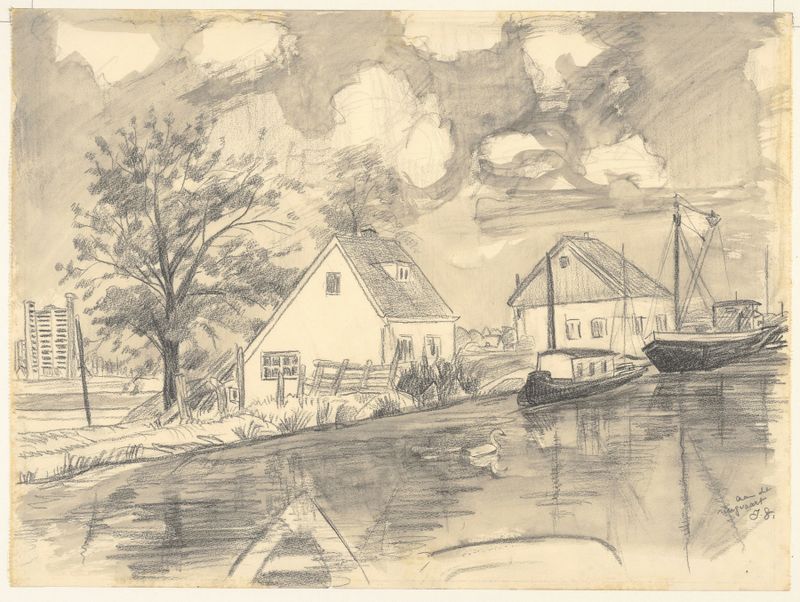
aan de ringvaart
Julia Giesberts





