Landscape after Sunset — History & Facts
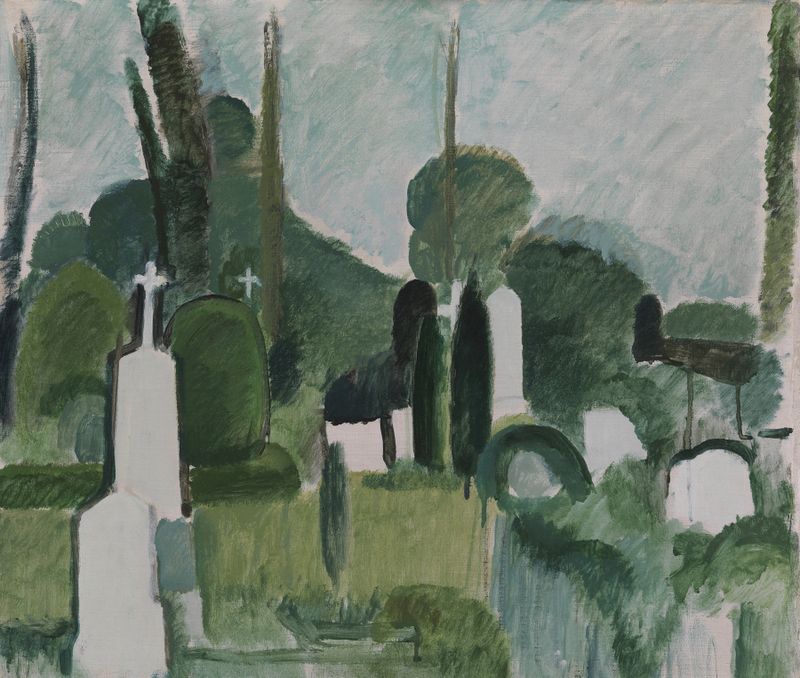
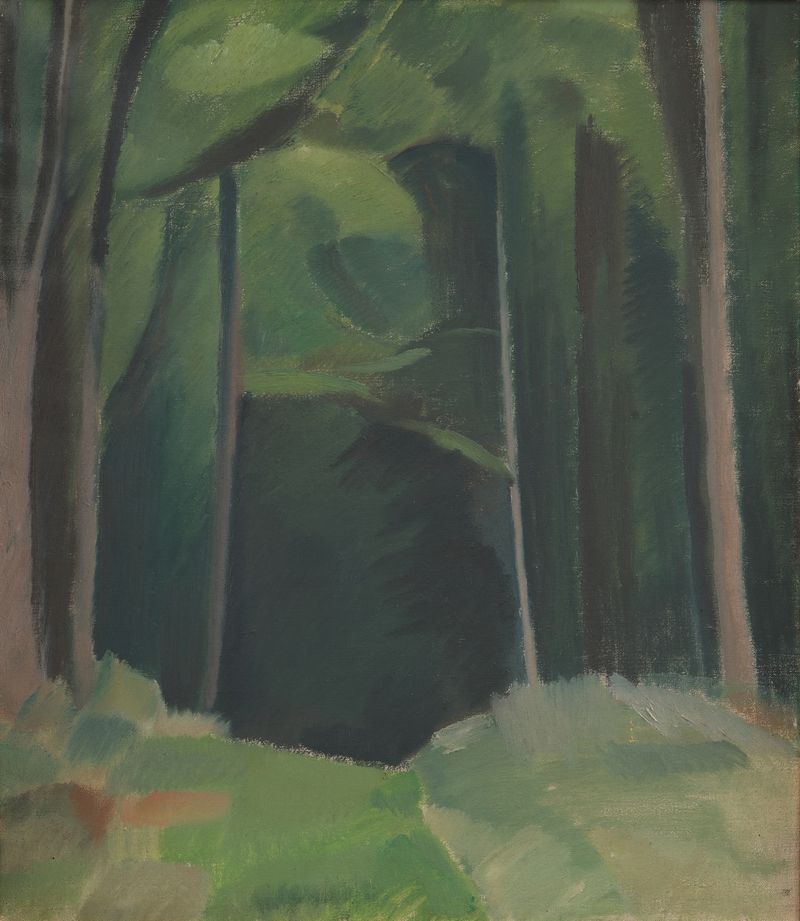
In a world that shifts relentlessly, beauty becomes a sanctuary, captured in a fleeting moment. Look closely at the horizon, where vibrant hues of orange and soft lavender meet, melting into the deepening blue of twilight. The delicate brushwork suggests a gentle breeze, while wisps of cloud seem to linger lazily in the sky. Each stroke breathes life into the landscape, inviting the viewer to step into a realm where time pauses and the day’s farewell is an exquisite spectacle.
The interplay of light and shadow adds depth, drawing the eye across the canvas, evoking a sense of calm and wonder. Yet hidden beneath the serene surface lies a profound emotional tension. The fading colors not only signify the end of day but also hint at transient beauty, reminding us of the impermanence of life. The distant silhouette of trees stands as sentinels, anchoring the composition, while the ethereal quality of the sky offers a glimpse into the sublime — a delicate balance between nostalgia and hope.
Each element, from the vibrant colors to the gentle contours, harmonizes to express a longing for moments that slip away too swiftly. In 1923, Giersing created this piece during a transformative time in Europe, where the echoes of the Great War still reverberated. Living in Denmark, he was influenced by the burgeoning movements of modernism, seeking to capture the essence of nature through vibrant color and emotive brushwork. This period was marked by a desire to break free from the past, and his works reflect a search for beauty amidst the chaos of change, inviting viewers to pause and remember.