Landscape Called ‘the Acorn’ — History & Facts
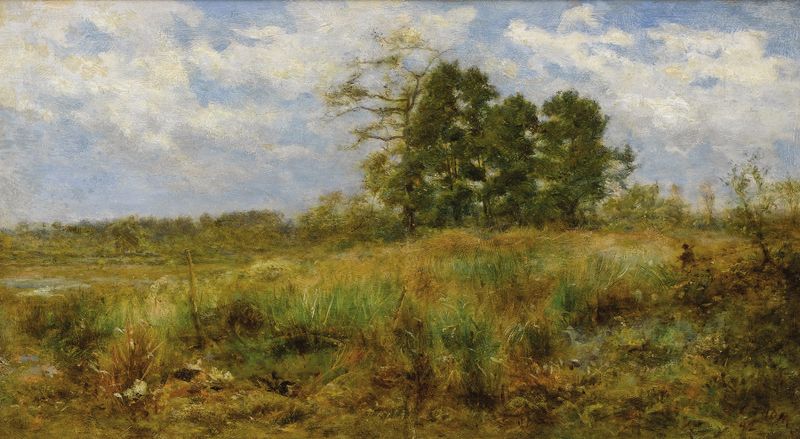
In the stillness of a captured moment, hope blooms quietly, urging us to pause and breathe in the possibilities woven into the fabric of nature. Look to the left, where a sturdy oak tree rises, its gnarled branches stretching upward like open arms welcoming the dawn. The artist's brushstrokes breathe life into the textured bark, inviting your fingertips to trace the intricate patterns of its age. Notice how the hues shift subtly from deep greens to golden browns, hinting at the transitions of seasons and time.
An expansive sky looms overhead, painted in soft blues and gentle whites that evoke a sense of tranquility, encouraging a contemplative gaze. As you delve deeper into the landscape, contrasts emerge: the solidity of the oak juxtaposed against the ephemeral play of light, suggesting resilience against the passage of time. The scattering of acorns at the tree's base is a stark reminder of potential — each small seed symbolizes new beginnings, the promise of life emerging from the sturdy trunk. This interplay of permanence and transience captures the essence of hope, inviting viewers to reflect on their own journeys of growth and change. Created in the early 20th century, this piece reflects a period when the artist was deeply engaged with the natural world, seeking to convey the beauty of rural landscapes.
During this time, the shift towards modernism in art brought new challenges, yet Thom maintained a focus on the enduring presence of nature in his work. The painting stands as a testament to his commitment to capturing the balance between the enduring and the fleeting.