
Landscape Capriccio — History & Facts
Could beauty survive in a century of chaos? In Michele Marieschi's Landscape Capriccio, the answer lies in the serene embrace of nature, harmoniously juxtaposed against the tumult of the human experience. Look to the right at the towering trees, their leaves a vibrant green that dances in the gentle breeze, inviting you deeper into this idyllic scene. The meticulously painted architectural ruins in the foreground draw the eye, hinting at a forgotten civilization, while the soft, diffused light bathes the landscape in a golden hue, casting elongated shadows that stretch towards the horizon. Marieschi’s choice of a soft palette and fluid brushwork evokes a dreamlike quality, creating an atmosphere where tranquility reigns despite the underlying complexity of the structure. Delve into the contrasts present within the artwork: the stillness of the water reflects the chaos of the crumbling structures above, suggesting that nature, in its timeless grace, endures where humanity falters.
The distant mountains, shrouded in mist, symbolize both ambition and the passage of time, their imposing presence reminding us of life's uncertainties. Each element of the canvas holds a piece of history, quietly urging the viewer to ponder the remnants of what once was and the ever-present hope of renewal. Marieschi created Landscape Capriccio between 1730 and 1740, a time when Venice was both a cultural epicenter and a city grappling with the decline of its political power. Influenced by the Baroque style and the emerging Rococo movement, he sought to capture the sublime beauty of nature and architecture, blending romantic idealism with a keen observational sharpness unique to his oeuvre.
More Artworks by Michele Marieschi
Browse all →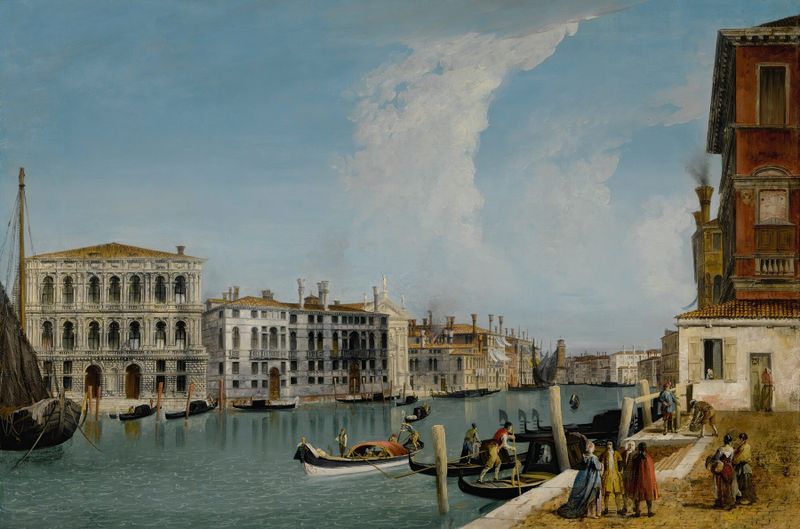
Venice, A View Of The Grand Canal With Ca’ Pesaro And Palazzo Foscarini-Giovanelli, From The Campiello Of The Palazzo Gussoni
Michele Marieschi
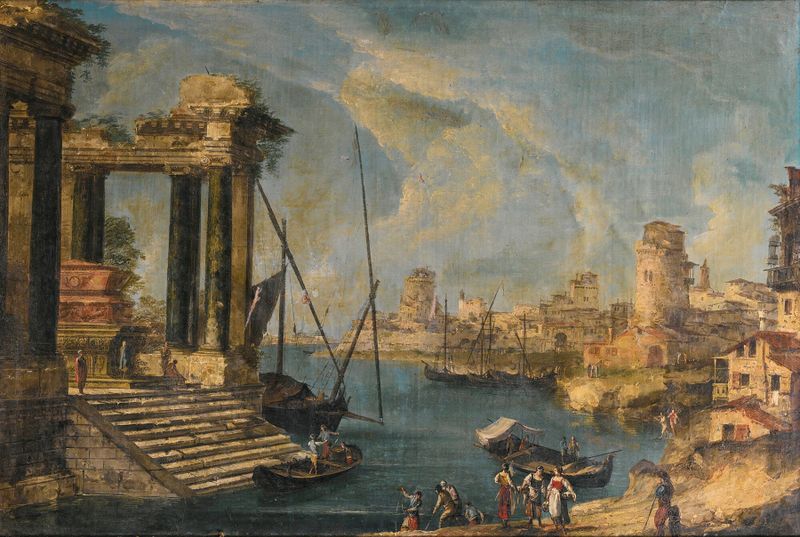
Venice, A Capriccio View Of The Lagoon
Michele Marieschi
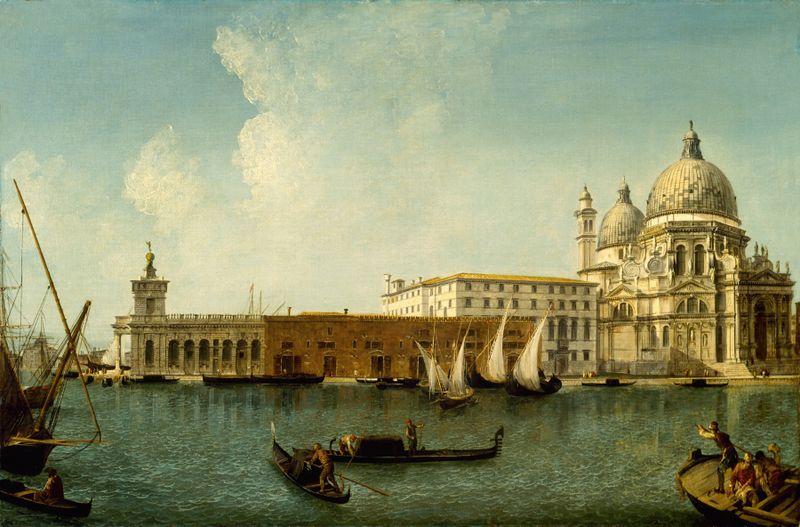
View of the Dogana and Santa Maria della Salute
Michele Marieschi
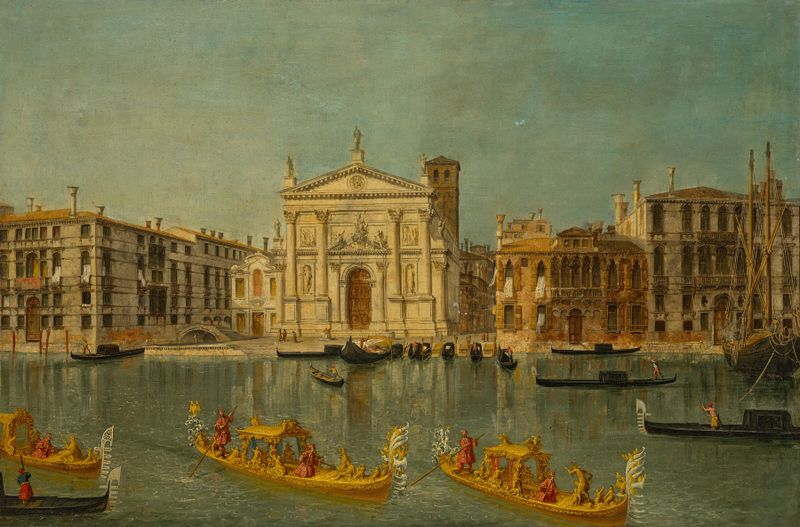
Venice; The Grand Canal with the Church of San Stae, with gilded gondolas in the foreground
Michele Marieschi
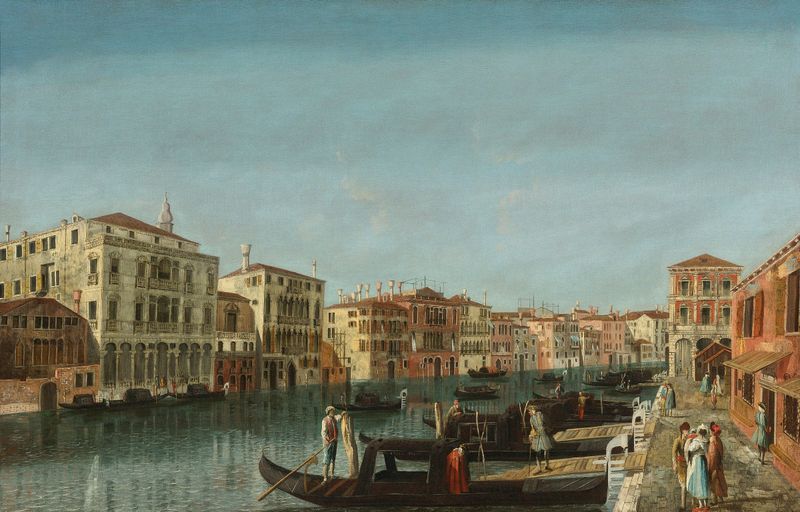
View Of The Grand Canal, Venice, At The Level Of The Pescheria And Of Palazzo Michiel Alle Colonne
Michele Marieschi
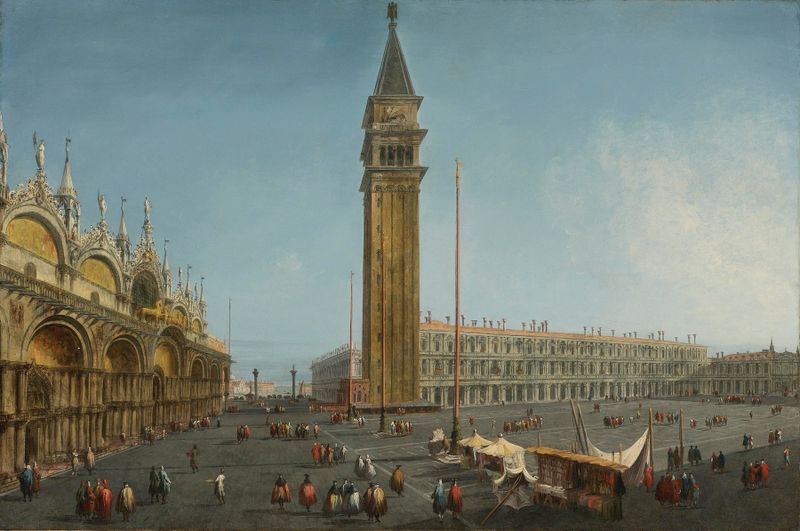
The Piazza San Marco, Venice, From The Torre Dell’orologio
Michele Marieschi
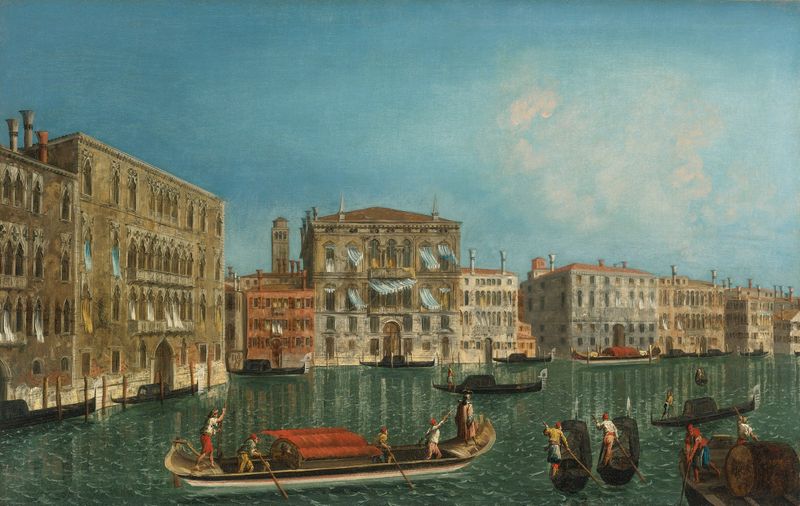
The Grand Canal, Venice, With Palazzo Foscari And Palazzo Balbi
Michele Marieschi
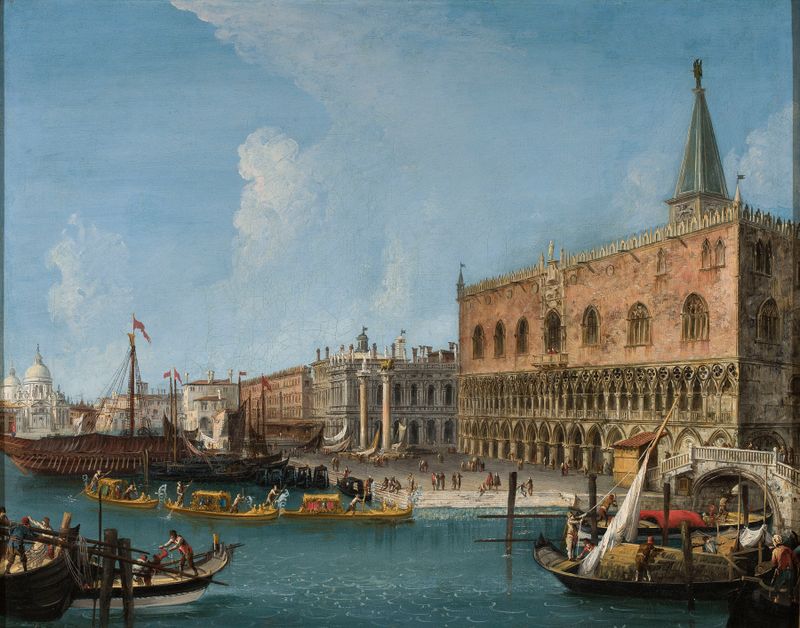
Doge’s Palace in Venice
Michele Marieschi
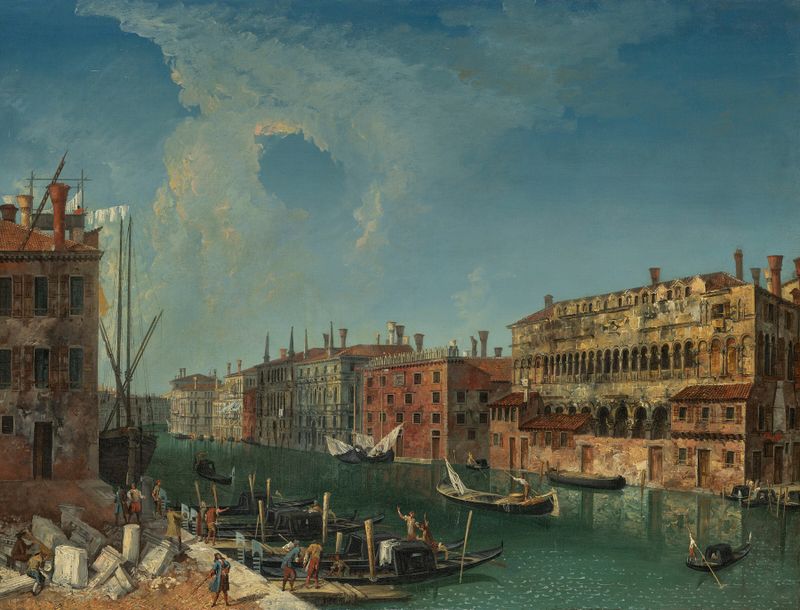
Venice, a stonemason’s yard on the Grand Canal, with a view of the Palazzo Ca’ Tron, the Palazzo Belloni Battagia and the Fondaco del Megio
Michele Marieschi
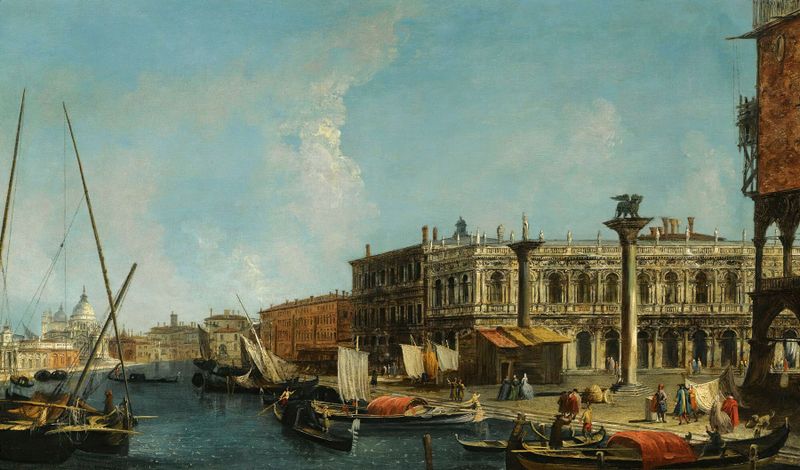
Venice, A View Of The Molo From The Bacino Di San Marco With The Piazzetta And The Entrance To The Grand Canal
Michele Marieschi





