Landscape from the Tatra Mountains — History & Facts
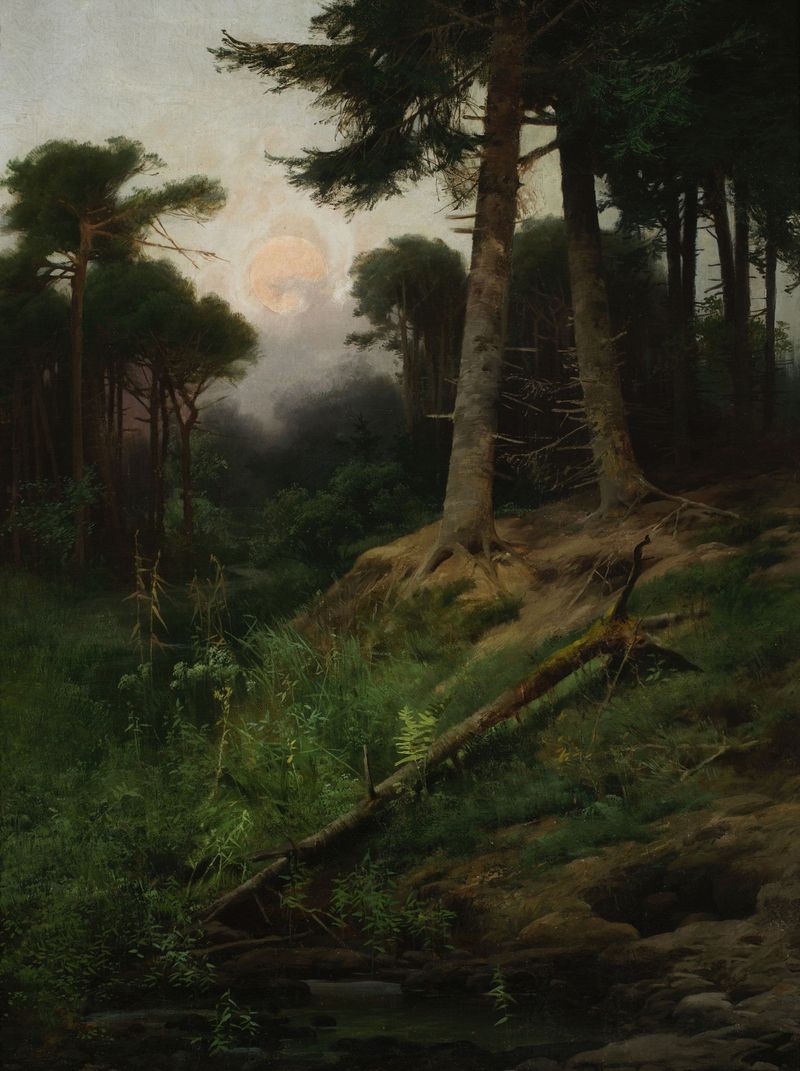
Where does light end, and longing begin? In the expansive embrace of nature, transformation occurs quietly, with each brushstroke inviting contemplation and connection. Focus on the horizon, where layered mountains rise majestically, painted in soft blues and deep greens. The gentle curves of the landscape lead your gaze toward the sky, where delicate clouds catch the fading light of dusk. Notice the vibrant patches of wildflowers scattered across the foreground, their colors sparkling against the earth tones, hinting at the life that thrives within this serene wilderness.
The meticulous attention to detail reveals not just the aesthetic beauty, but a profound reverence for the natural world. Hidden within the composition is a dialogue between stillness and movement. The tranquil water reflects the sky, suggesting a moment of pause, while the sweeping forms of the mountains convey an underlying strength. Each element connects, forming a tapestry of harmony yet hinting at the changes that time brings—both to the landscape and to the self.
The interplay of shadow and light here speaks of transitions; it invites viewers to reflect on their own journeys against the backdrop of nature’s eternal cycles. In the 1890s, Tadeusz Popiel found inspiration among the Tatra Mountains, a stunning region of Poland. At this time, he was deeply engaged in exploring the emotional capacities of landscape painting, reflecting the broader Symbolist movement in European art. As industrialization began to reshape society, artists like Popiel sought solace in the untouched beauty of nature, striving to capture its essence and the deeper human sentiments it evokes.