Landscape in Wales — History & Facts
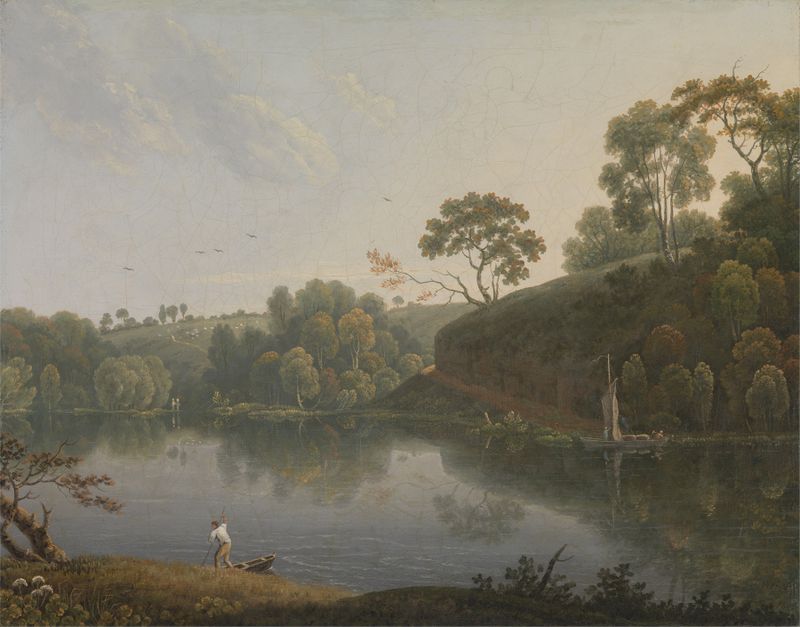
Is this a mirror — or a memory? The verdant hills and soft valleys, enveloped in a gentle haze, beckon the viewer into a world both familiar and elusive, capturing the essence of nostalgia. Focus on the vibrant greens and muted browns that dominate the canvas, inviting you to traverse the undulating landscape. Notice how the light dances across the hills, creating a play of shadow and warmth that deepens the emotional resonance of the scene. The composition guides your gaze from the foreground, where wildflowers bloom, to the distant horizon, evoking a sense of endless possibility and reflection. Hidden within the serene beauty of this landscape are tensions that speak to the transience of life.
The juxtaposition of bright flower petals against the twilight shadows whispers of fleeting moments, while the mist lingering over the hills suggests the passage of time and memory. Each brushstroke seems to hold a story, urging the viewer to contemplate their own connections to the past, perhaps even reminding them of personal landscapes left behind. In 1809, Thomas Wright created this piece during a time of burgeoning Romanticism, reflecting the culture's shift towards nature and emotion. Living in England, he was inspired by the picturesque beauty of the Welsh countryside, a theme prevalent among his contemporaries.
This work represents not only his artistic trajectory but also the broader movements of his time, as artists sought to capture the sublime and the intimate relationship with nature.