
Landscape Scene with Horse and Cart near Tunbridge Wells — History & Facts
What secret hides in the quiet of the canvas? In the tranquil expanse of Landscape Scene with Horse and Cart near Tunbridge Wells, the world is poised on the brink of change, whispering tales of revolution yet to unfold. Look to the left at the horse standing patiently, its muscular form contrasting with the delicate strokes of the surrounding foliage. Notice how the light bathes the scene in a soft glow, illuminating the earthy palette that evokes a sense of serenity. The cart, laden with the everyday burdens of rural life, draws the eye to the horizon, where the distant hills seem to fade into an unknown future.
The composition balances the tranquility of nature with the promise of human endeavor, inviting contemplation of both the picturesque and the profound. Amidst the idyllic beauty lies a tension—between the stillness of the landscape and the dynamic potential of what lies ahead. The figures, though grounded in their moment, hint at a larger narrative woven into the fabric of society; they embody the resilience of rural life against the backdrop of impending industrialization. The juxtaposition of the horse cart against the expansive canvas speaks to a transition from age-old traditions to the disruptions awaiting the world beyond the fields. Thomas Bradshaw painted this work between 1811 and 1813, during a time when Britain was undergoing significant social and economic shifts.
The Napoleonic Wars had stirred national sentiment, while the industrial revolution was gaining momentum, reshaping landscapes both physically and metaphorically. As he captured the serene beauty of Tunbridge Wells, Bradshaw reflected the quietude of a world on the cusp of transformation, a moment that would soon be altered forever.
More Artworks by Thomas Bradshaw
Browse all →
Hatfield House
Thomas Bradshaw
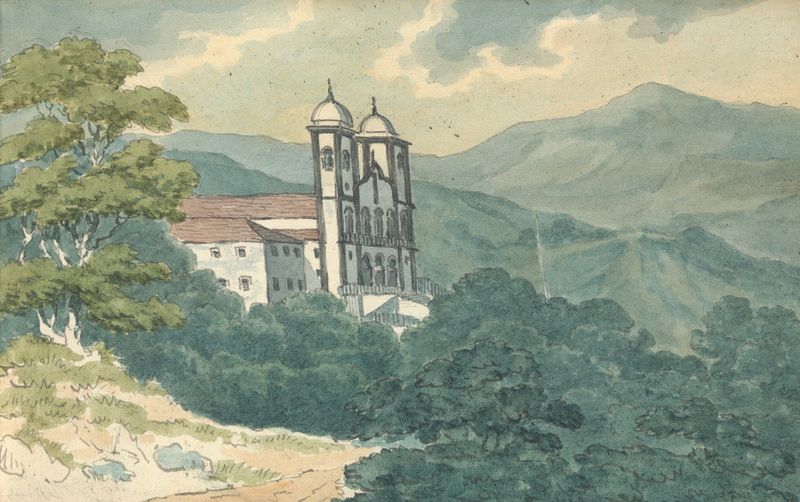
Villa in the Mountains
Thomas Bradshaw

A Waterfall
Thomas Bradshaw

Rural Scene with Church
Thomas Bradshaw
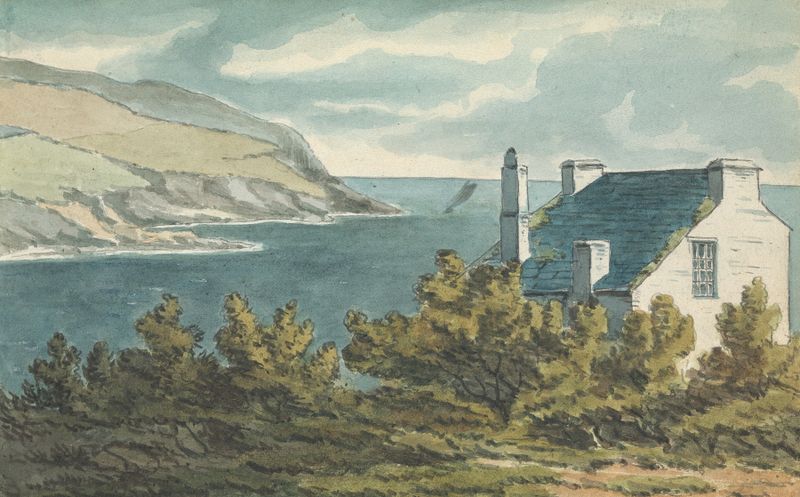
Rocky Coastal Scene
Thomas Bradshaw
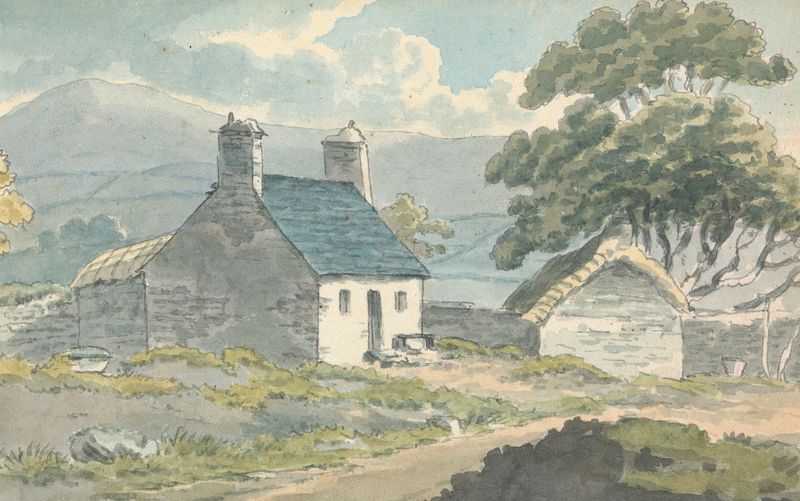
Two Stone Cottages
Thomas Bradshaw

Catterick Bridge
Thomas Bradshaw

Three Ships at Sea
Thomas Bradshaw

Port Louis from La Petite Montagne (Twilight) with a Rider and Figures in Foreground
Thomas Bradshaw
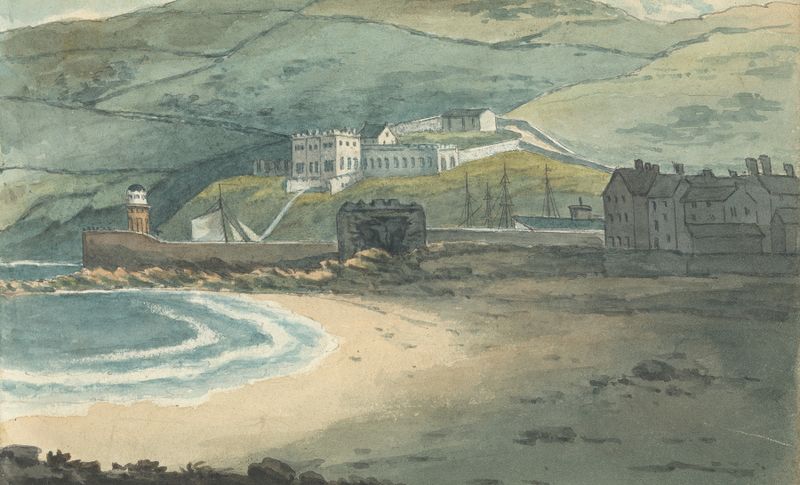
A Desolate Harbor Surrounded by Moors
Thomas Bradshaw





