
Landscape With A Mill — History & Facts
In the serene embrace of an idyllic landscape, the quiet pulse of nature mirrors our own hidden fears and longings. To your left, the charming mill stands resolute against an expansive sky, its sails ready to catch the wind. Look closely at the subtle transitions of green in the fields, a vivid contrast to the soft blues and whites of the clouds. Notice how the sunlight dances across the water’s surface, creating a shimmering pathway that draws the eye deeper into the scene.
Each element is meticulously crafted, with layers of color that suggest a harmony yet invite reflection on the turbulence that lies beneath. Yet, this peaceful vista holds complexities. The mill, a symbol of industriousness, can also evoke feelings of entrapment, as it quietly insists on the passage of time and the inevitability of change. The silence surrounding the landscape feels heavy, as if the breeze carries whispers of forgotten stories and unfulfilled dreams.
Fleeting shadows play across the canvas, hinting at the unsettling notion that beauty can exist alongside fear—of decay, loss, and the relentless forward march of time. The work emerges from the late 17th century, a period when Jan Van Kessel The Elder was establishing his reputation in Antwerp. As the Baroque movement flourished, artists were exploring both the beauty and the underlying anxieties of life, reflecting societal changes in a world grappling with conflict and uncertainty. In this context, the delicate yet poignant brushwork of Landscape With A Mill encapsulates the artist's keen observation of nature and the pervasive human emotions it can evoke.
More Artworks by Jan Van Kessel The Elder
Browse all →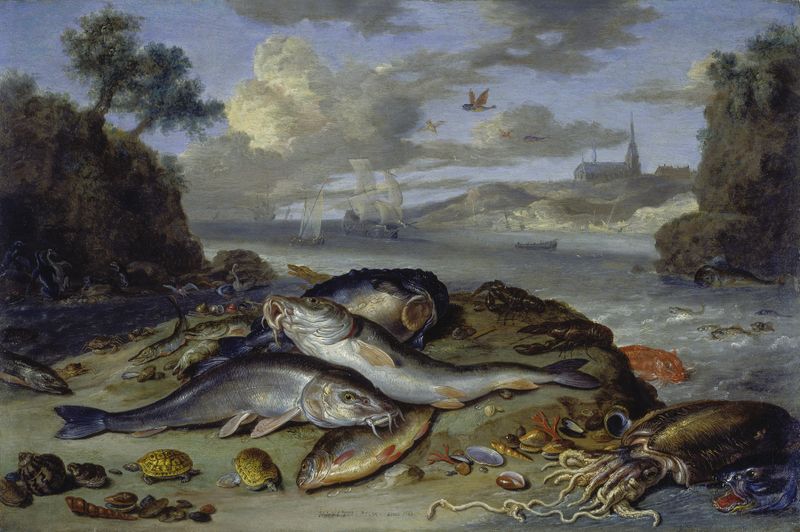
Still Life with Fish and Sea Animals in a Coastal Landscape
Jan Van Kessel The Elder
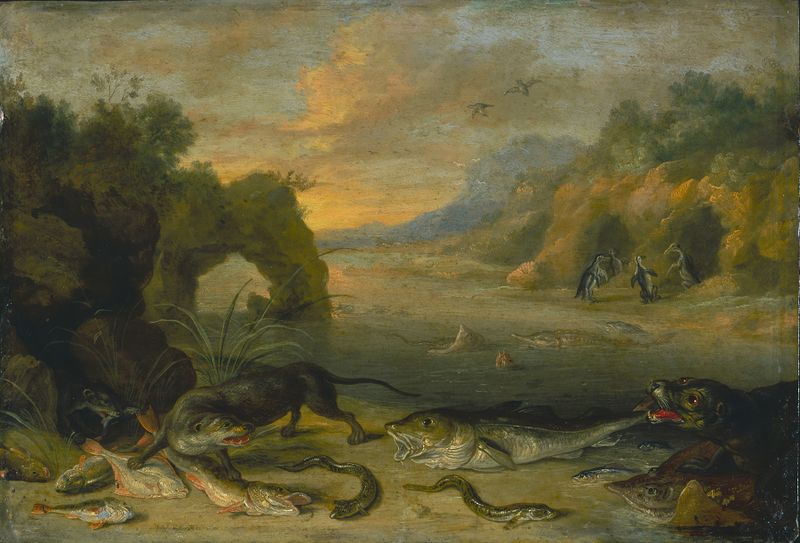
Water
Jan Van Kessel The Elder
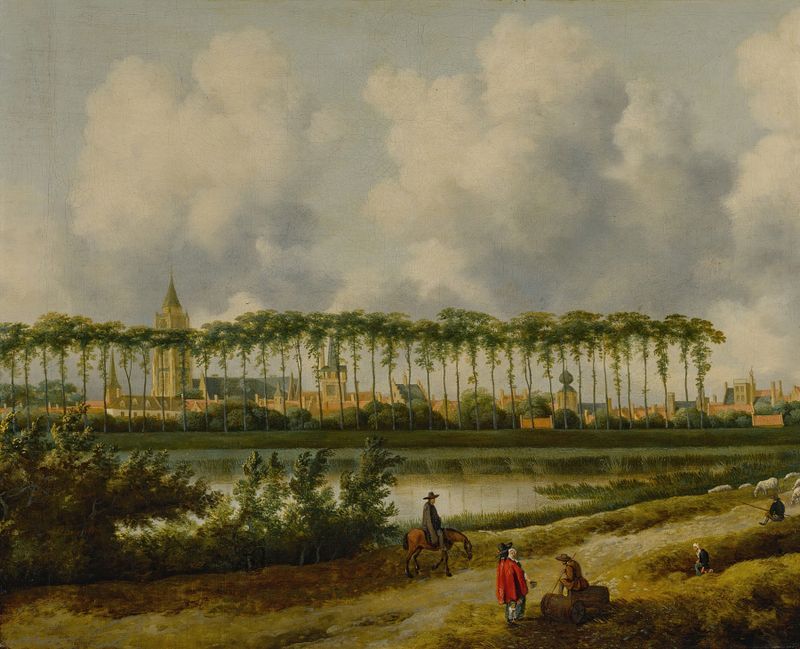
A view of Gorinchem from the southwest
Jan Van Kessel The Elder
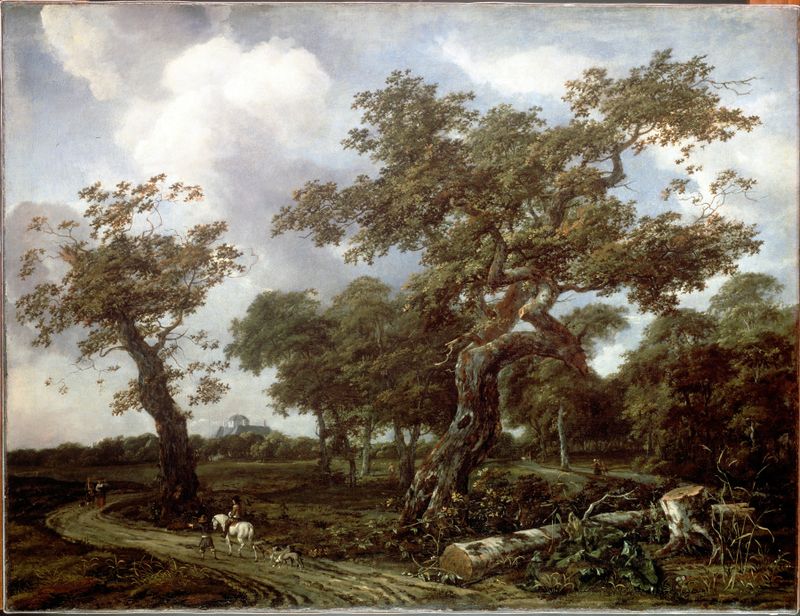
A Wood near The Hague, with a view of the Huis ten Bosch
Jan Van Kessel The Elder

A Winter Landscape
Jan Van Kessel The Elder
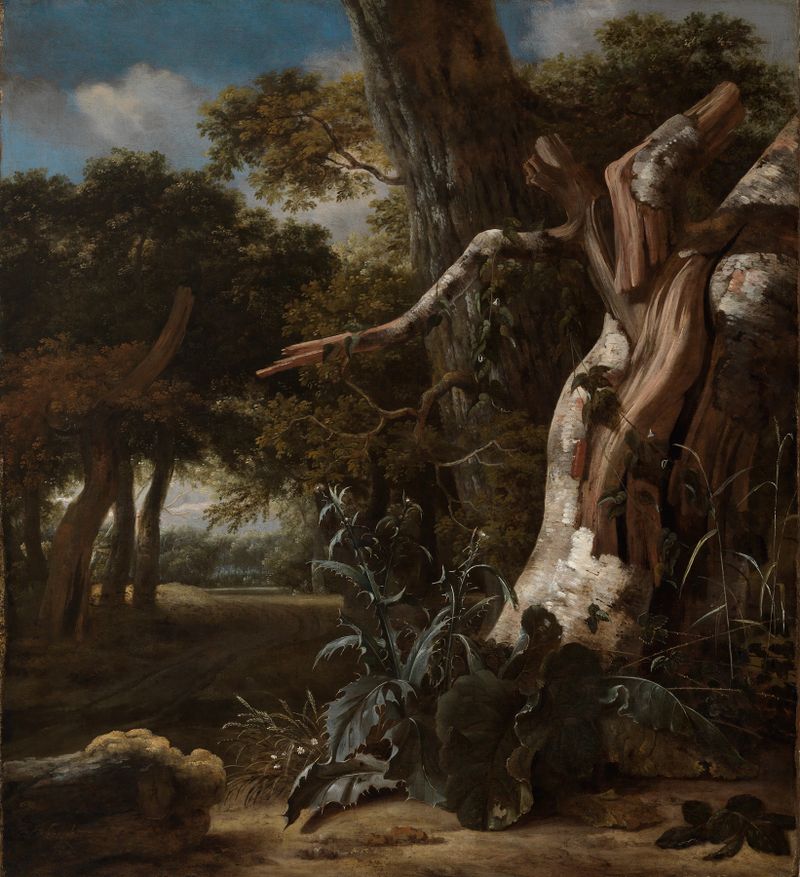
Waldlandschaft mit einer vom Blitz getroffenen Buche
Jan Van Kessel The Elder





