Landscape with Distant Mountains — History & Facts
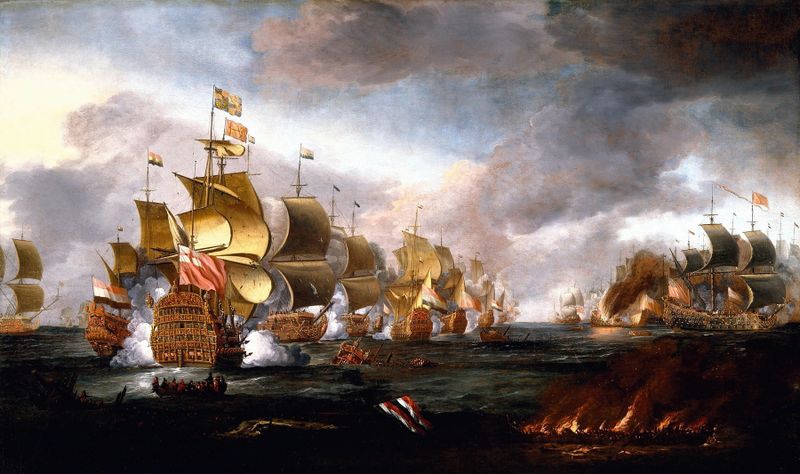
Can beauty exist without sorrow? In the realm of art, this question lingers like a whisper on the wind, entwining the landscapes we love with the emotions we fear. Look to the horizon where distant mountains rise, their peaks softly enveloped in a gentle haze. The foreground is a tapestry of lush greenery, where strokes of emerald and olive breathe life into the scene. Notice how the sky transitions from a warm amber to a cool cobalt, each hue merging seamlessly, evoking the quiet movement of time.
The meticulous brushwork creates a sense of depth, inviting the viewer to step into this serene moment, yet the shadows hint at an undercurrent of unease. The subtle interplay between light and shadow draws the eye to the mountains, suggesting both majesty and isolation. Here, the beauty of nature contrasts with an intangible sense of longing, as if the landscape itself holds memories of revolutions past—echoes of change that linger in the air. Small details, like the flicker of a bird in flight or the delicate sway of grass, serve as reminders that beneath tranquility lies a world often tumultuous and fraught with emotion. Created during a time when the Dutch Republic was flourishing yet on the cusp of change, the painter captured Landscape with Distant Mountains amidst a backdrop of burgeoning artistic exploration.
The late 17th century was marked by a shift toward more personal expressions in landscapes, reflecting both the tranquility sought in nature and the tumult of a society grappling with its identity. In this work, the artist finds harmony between beauty and the complexities of the human experience, leaving viewers to ponder their own emotional landscapes.