
Landscapes after old masters Pl.4 — History & Facts
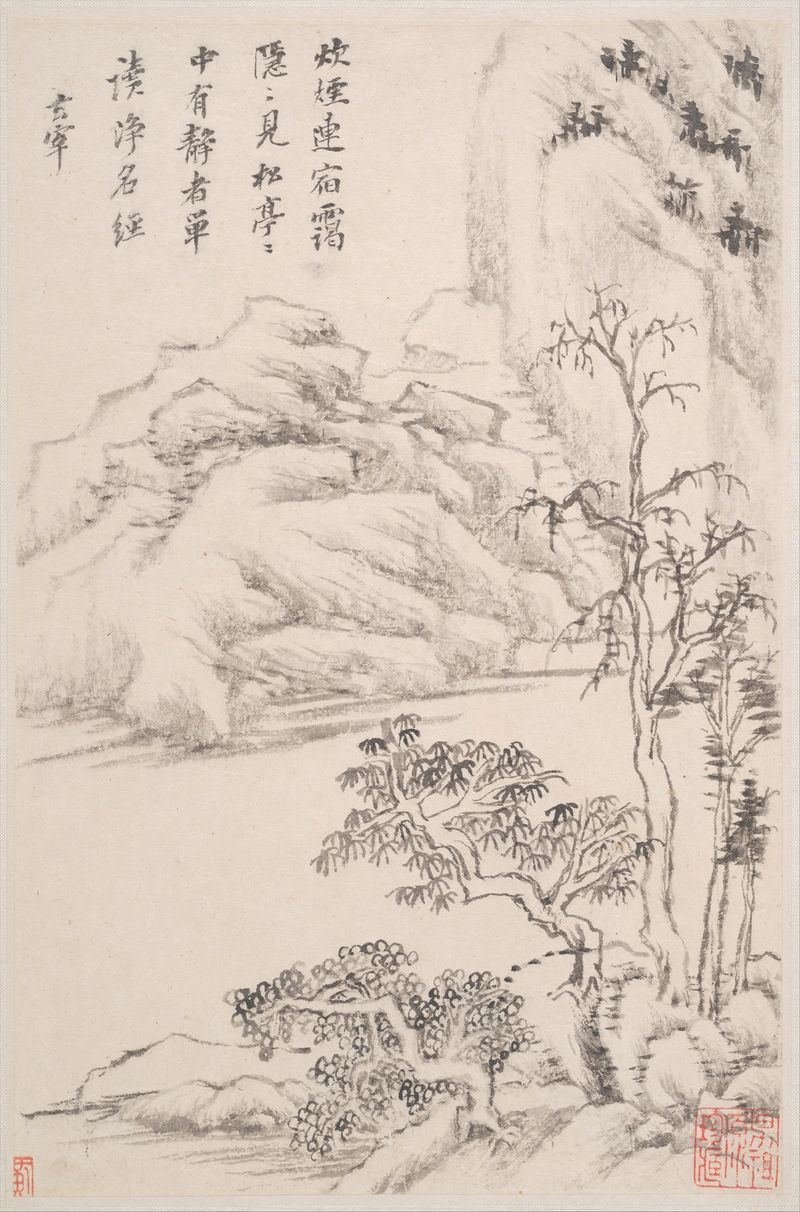
What if silence could speak through light? In Landscapes after old masters Pl.4, the tranquility of nature becomes a vessel for untold emotions, whispering chaos in its serene forms. Look to the center of the composition where delicate mountains rise, draped in mist. Notice how the brushstrokes, layered yet fluid, invite you to traverse the landscapes, while the muted palette of greens and grays evokes a sense of calmness that belies an underlying tension. The contrasts between the rugged terrain and the gentle sky create an interplay of stability and impermanence, compelling the viewer to linger on the complexity of nature’s beauty. Delve deeper into the details, and observe the subtle hints of fragmentation within the harmonious scene.
Tiny, disjointed strokes suggest the impending disruption, a quiet reminder that chaos, like nature, is never far behind. The tree branches reaching towards the horizon symbolize longing and aspiration, yet their awkward angles introduce an unsettling dissonance, contrasting the otherwise idyllic backdrop. This tension between chaos and tranquility invites personal reflection, urging one to ponder the delicate balance within their own lives. In 1630, Dong Qichang created this piece during a time of significant political and cultural transformation in China, as the Ming dynasty faced upheaval.
Working in Suzhou, he was deeply influenced by classical Chinese landscape painting, yet his innovative approach sought to reconcile traditional aesthetics with a burgeoning individuality. This artwork stands as a testament to his philosophical musings on the nature of existence, encapsulating both the beauty and chaos surrounding his world.
More Artworks by Dong Qichang
Browse all →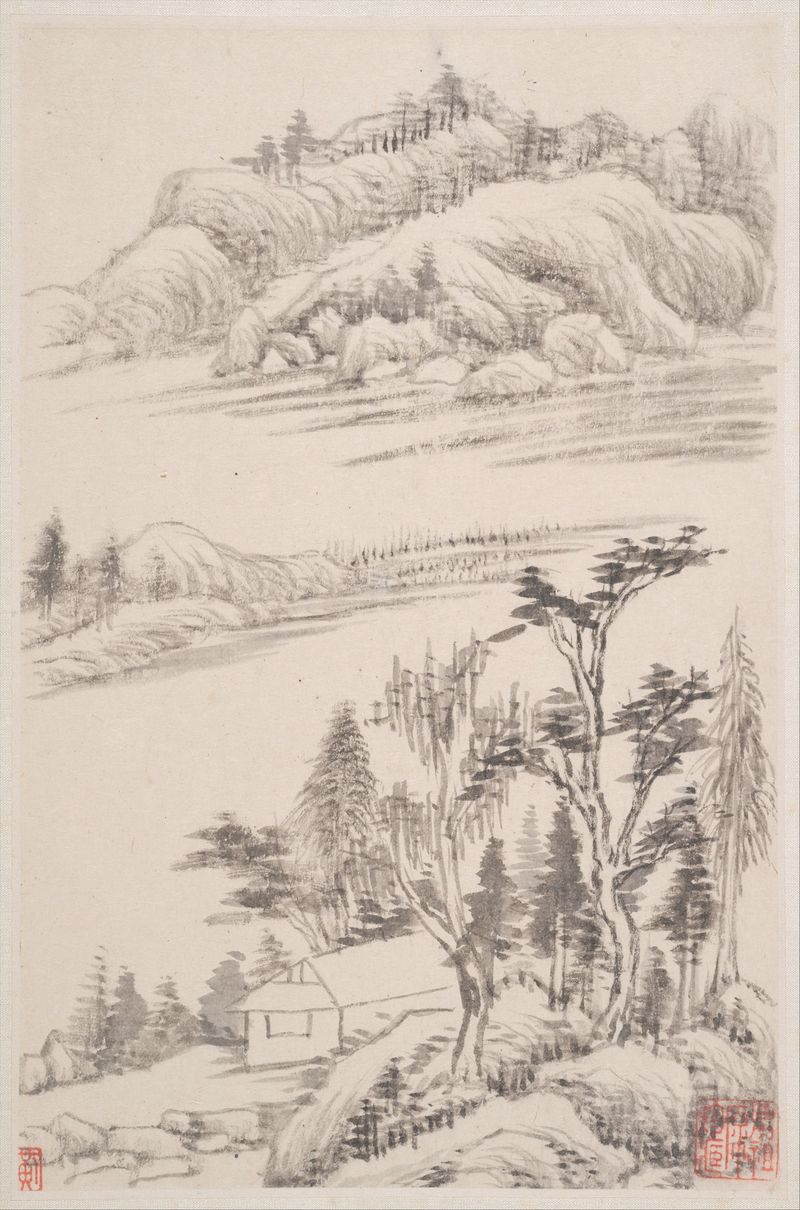
Landscapes after old masters Pl.1
Dong Qichang

Calligraphy
Dong Qichang
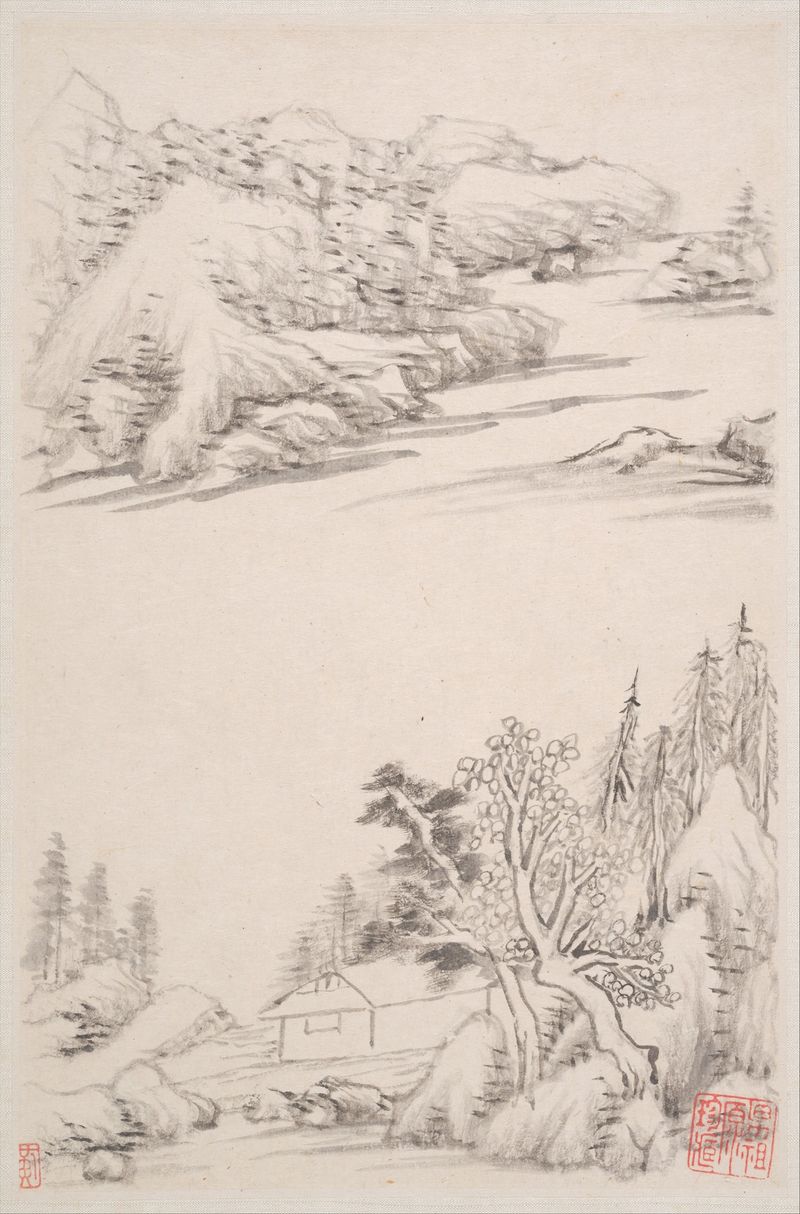
Landscapes after old masters Pl.2
Dong Qichang
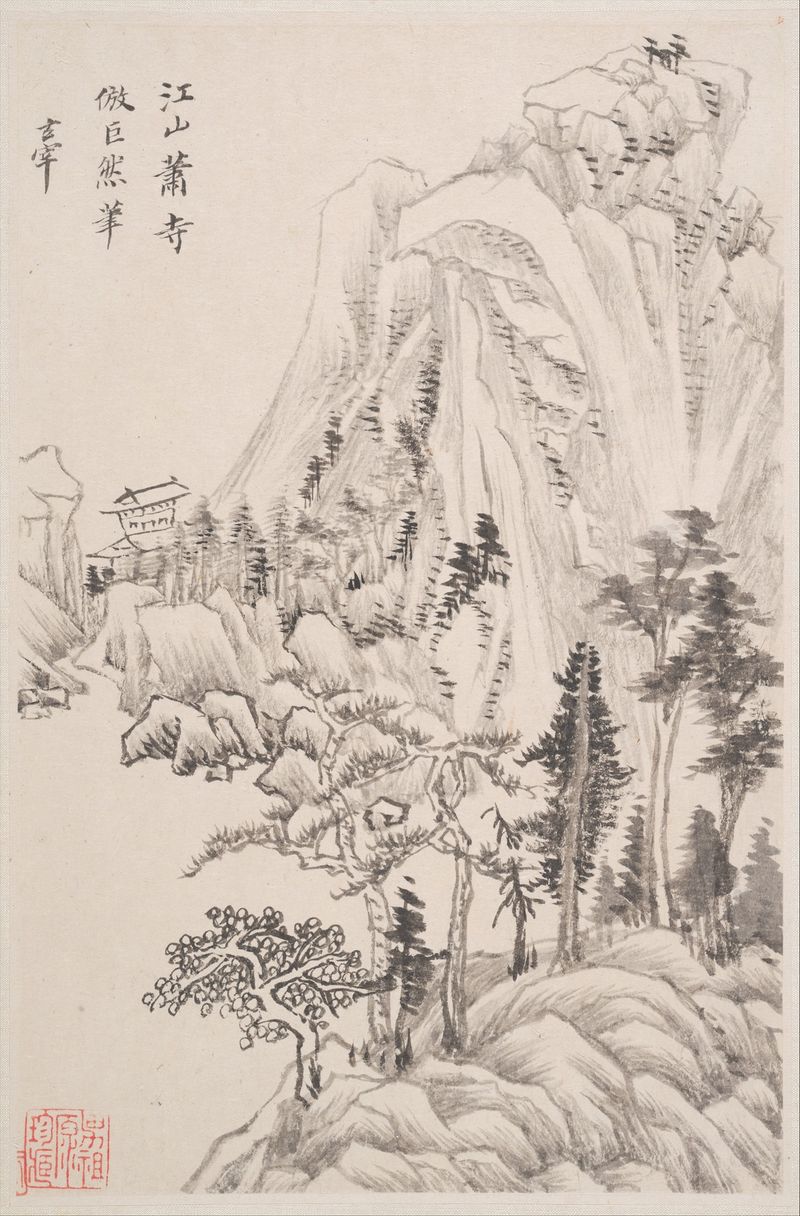
Landscapes after old masters Pl.3
Dong Qichang

Calligraphy
Dong Qichang
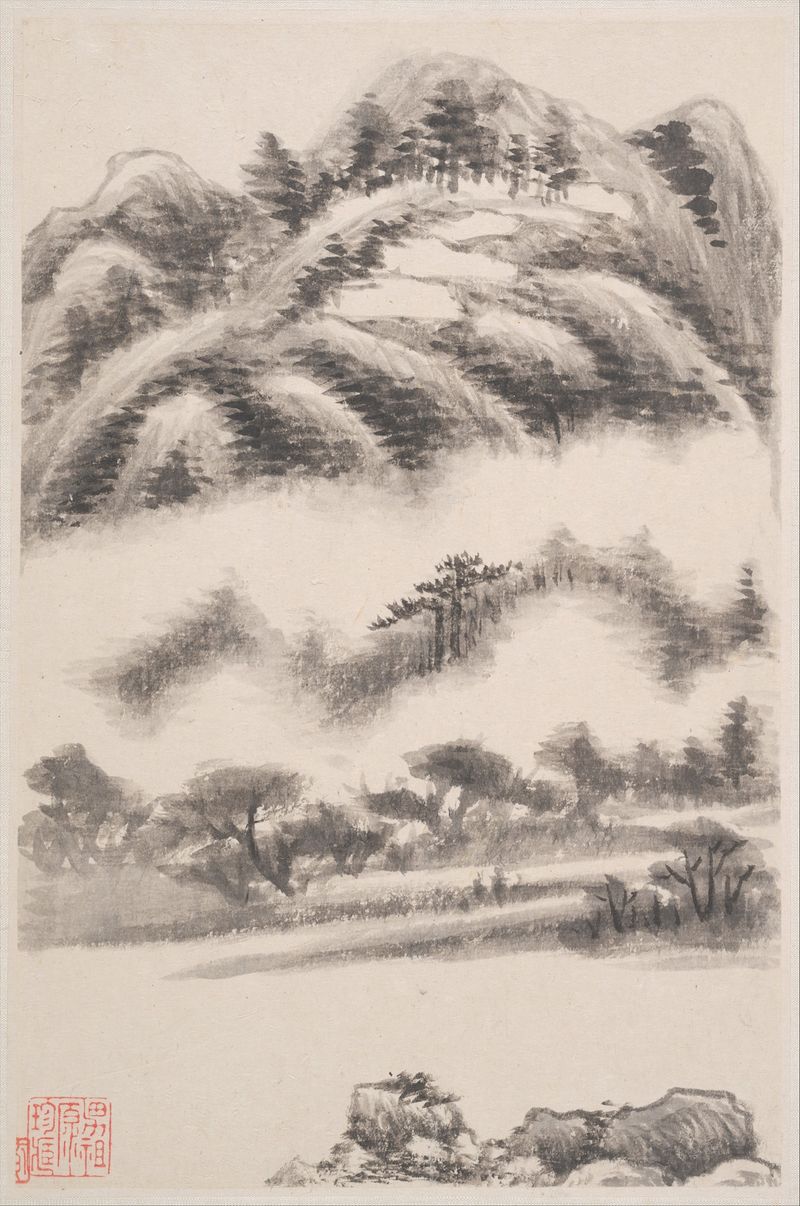
Landscapes after old masters Pl.5
Dong Qichang

Landscape in the Style of Ni Zan
Dong Qichang
Landscapes after old masters Pl.6
Dong Qichang





