
Landscapes from Nature, Poetry, and Art Pl.3 — History & Facts
In the silence of creation, shadows become the storytellers, harboring whispers of emotion and memory. Look to the upper left where the dense foliage dances with subtle hues of green, each brushstroke a testament to the artist’s skill. Notice how the light falls upon the serene landscape, casting gentle shadows that elongate beneath the trees, inviting the viewer to explore the depths of this tranquil scene. The delicate interplay of light and shadow forms a rhythmic composition, guiding the eye along the winding path that leads into the heart of nature, evoking both serenity and an undercurrent of mystery. Delve deeper into the artwork, and you’ll find layers of meaning nestled within the shadows.
They seem to hold secrets of the past, symbolizing both the beauty and transience of life. The gentle contrast between light and dark evokes a sense of balance — one cannot exist without the other. In this delicate equilibrium, the viewer senses the quiet tension of nature’s cycles, a reminder that every moment is fleeting yet infinitely rich. Wang Chen created this work in 1774 during a time when the Qing Dynasty was experiencing cultural flourishing in the arts.
Living in China, he was influenced by the traditional literati style, blending poetry, painting, and philosophy. This period was marked by a growing appreciation for nature, reflecting a deep connection between art and the world outside, set against the backdrop of societal change and exploration of self-expression.
More Artworks by Wang Chen
Browse all →
Landscapes from Nature, Poetry, and Art Pl.4
Wang Chen

Landscape in the Orthodox Manner
Wang Chen
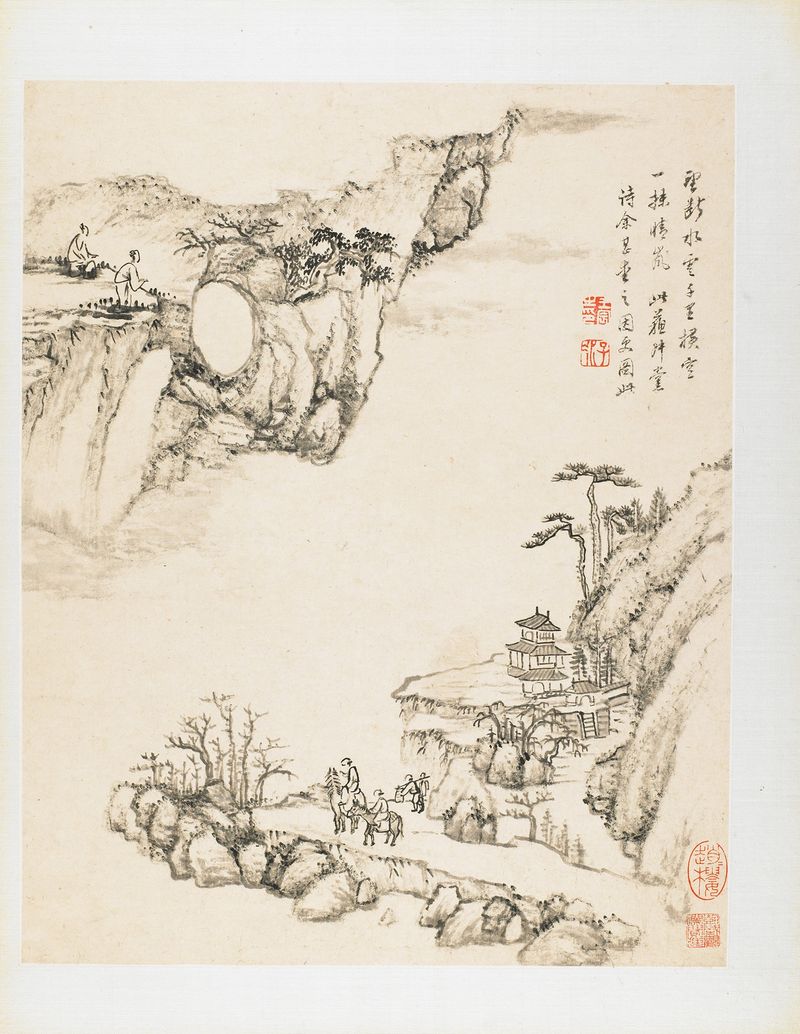
Landscapes from Nature, Poetry, and Art Pl.8
Wang Chen
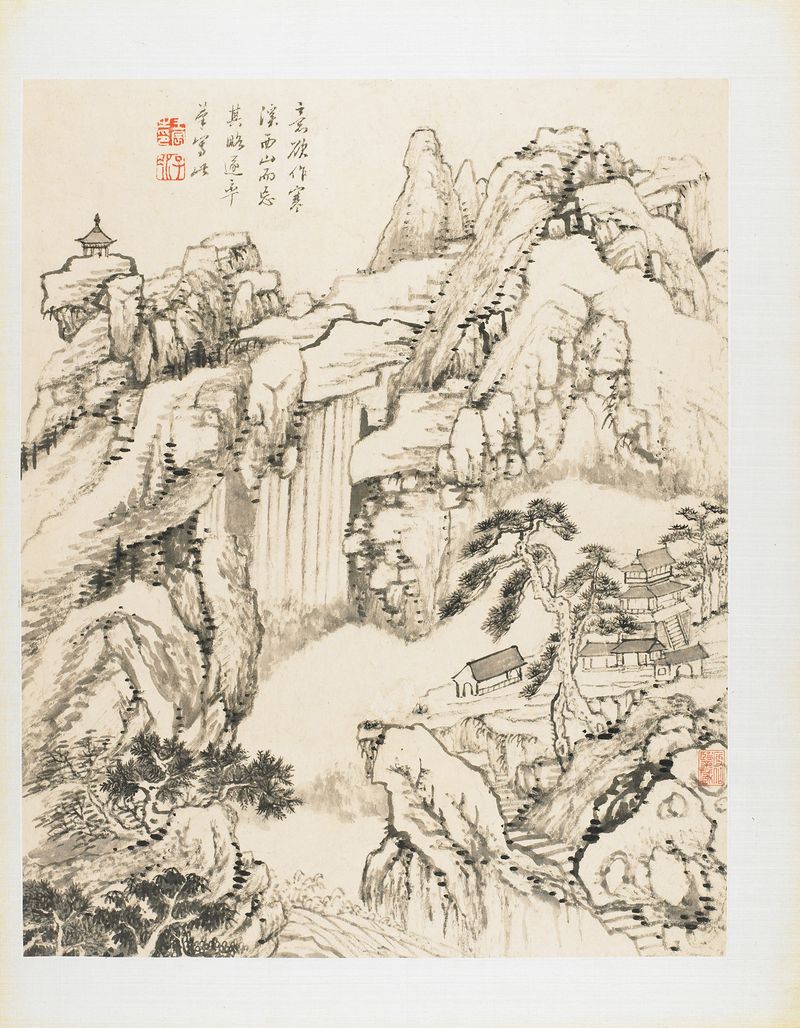
Landscapes from Nature, Poetry, and Art Pl.7
Wang Chen
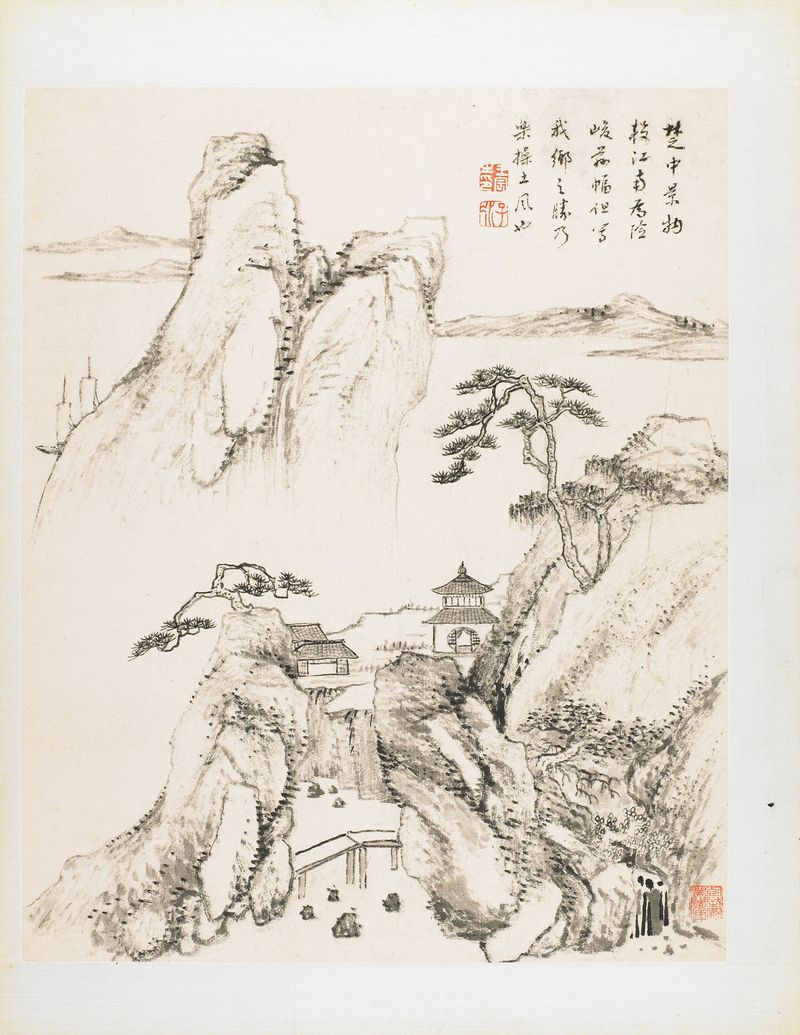
Landscapes from Nature, Poetry, and Art Pl.5
Wang Chen
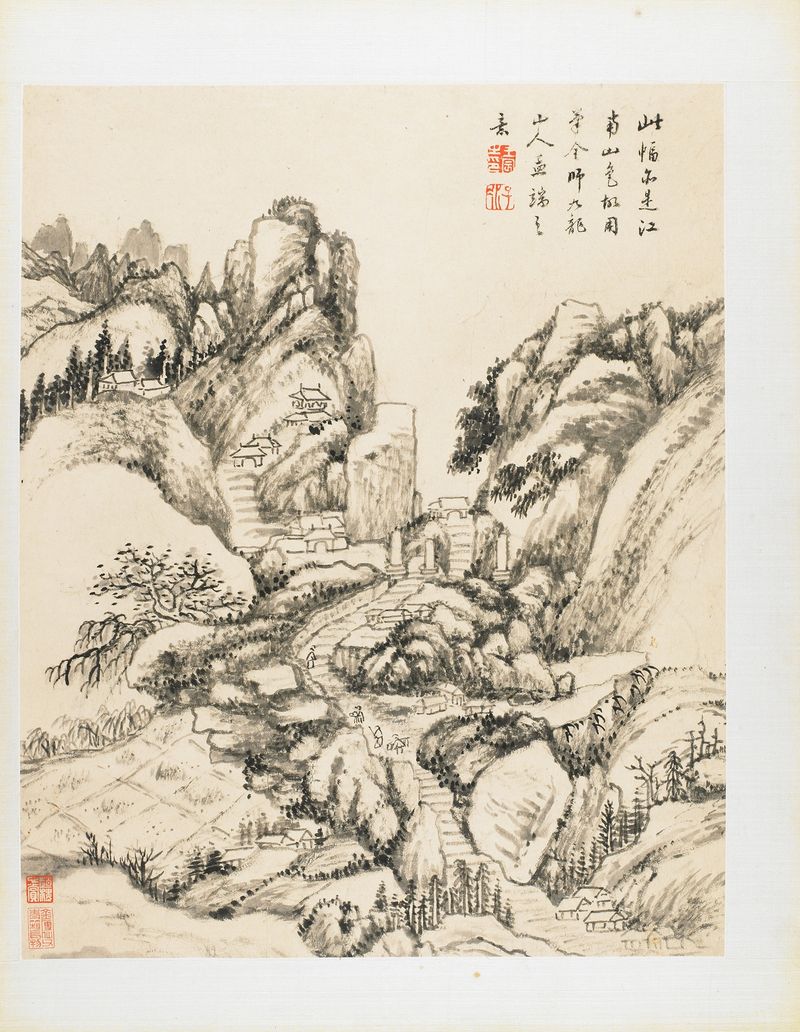
Landscapes from Nature, Poetry, and Art Pl.6
Wang Chen
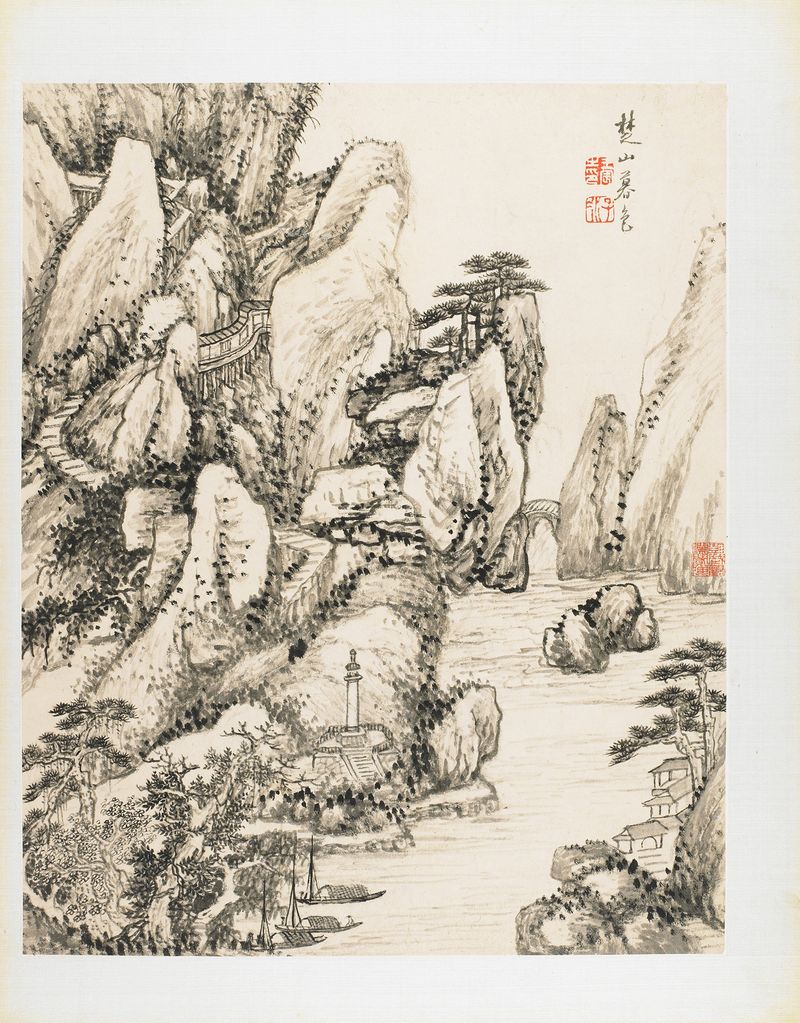
Landscapes from Nature, Poetry, and Art Pl.2
Wang Chen
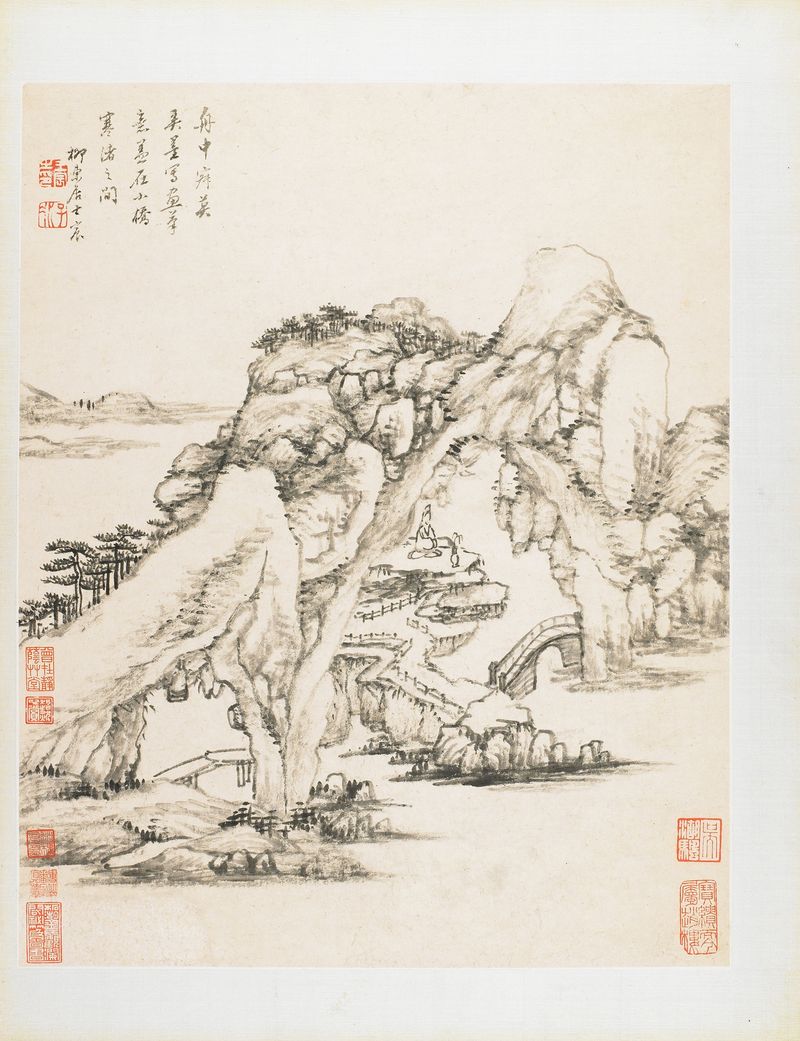
Landscapes from Nature, Poetry, and Art Pl.1
Wang Chen





