
Landschaft in de Steiermark II — History & Facts
When did color learn to lie? In the swirling hues of a landscape, chaos dances between the vibrant strokes and the stillness of nature's reality, beckoning us to question what we see. Look to the center, where a tempest of greens and browns splashes across the canvas, blending in a dynamic frenzy that challenges the viewer’s senses. The rugged outlines of distant hills rise and fall, each peak or valley alive with emotion. Notice how the artist employs contrasting colors—deep emeralds clash against burnt ochres—creating a tension that vibrates throughout the scene, compelling the viewer to explore the narrative woven into the landscape. Amid the tumult, small details emerge as focal points: the erratic brushwork suggests wind whipping through grass, and patches of light hint at the sun's transient presence.
Each stroke seems to echo a heartbeat, revealing an underlying chaos that speaks to both nature's beauty and its unpredictability. This duality invites contemplation—how can serenity coexist with turmoil in this vivid portrayal of the Styrian countryside? Eduard Boehm painted this work during a period when landscape painting was shifting, moving towards more emotional expression and away from strict realism. Though the date remains undetermined, he was active in the late 19th century, a time when artists were increasingly influenced by Impressionism and its emphasis on personal perception.
This evolving landscape of ideas and techniques allowed Boehm to embrace chaos in his depiction, reflecting both his internal world and the wider transformations in the art community.
More Artworks by Eduard Boehm
Browse all →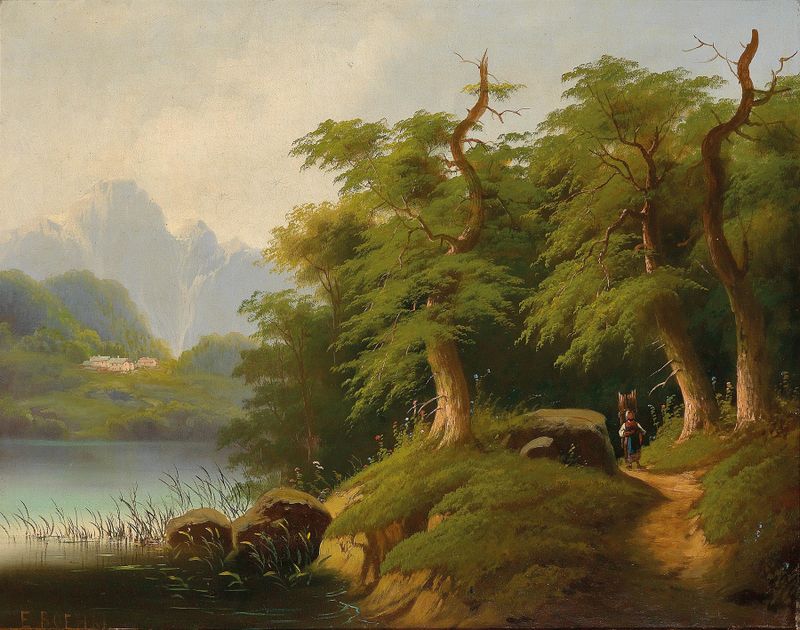
Gebirgssee mit figürlicher Staffage
Eduard Boehm
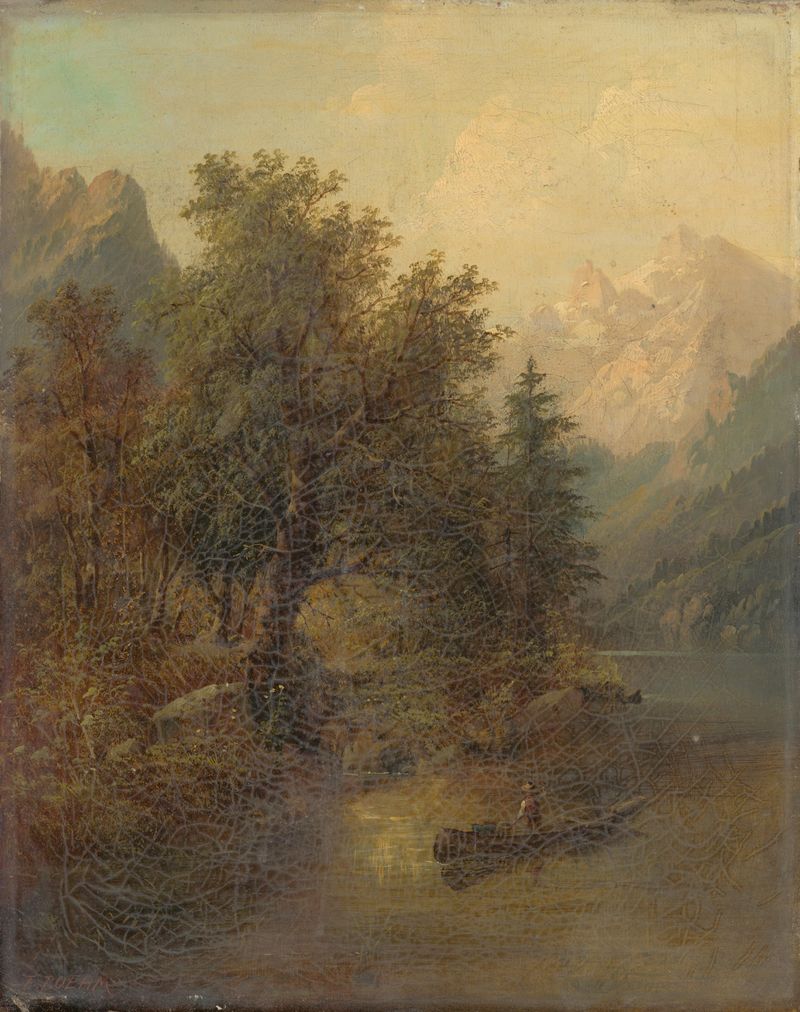
Alpine Landscape with a Boat
Eduard Boehm
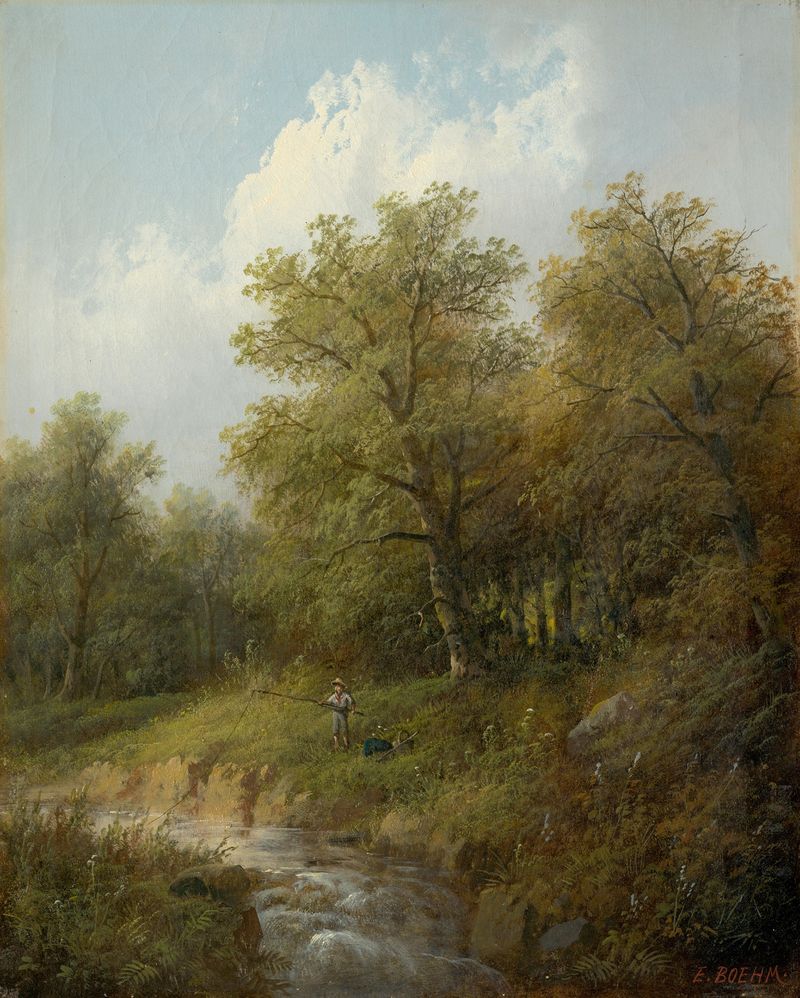
Mountain Brook with a Fisherman
Eduard Boehm
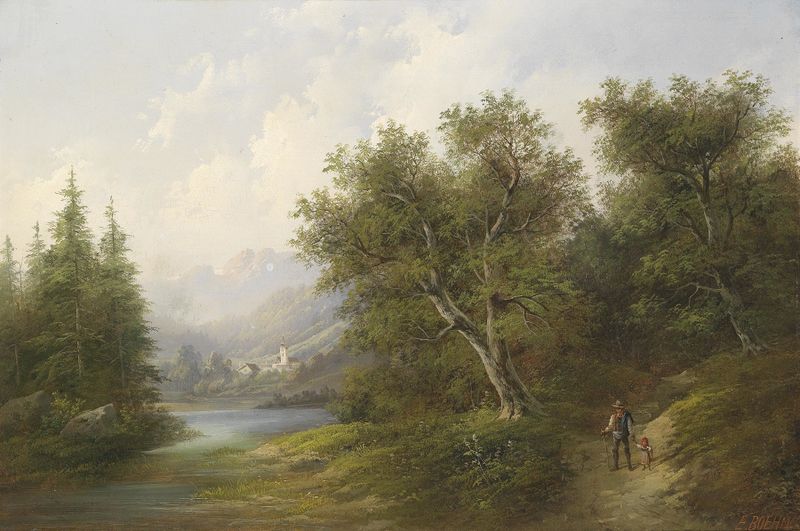
Partie bei Ehrenhausen in Untersteier
Eduard Boehm
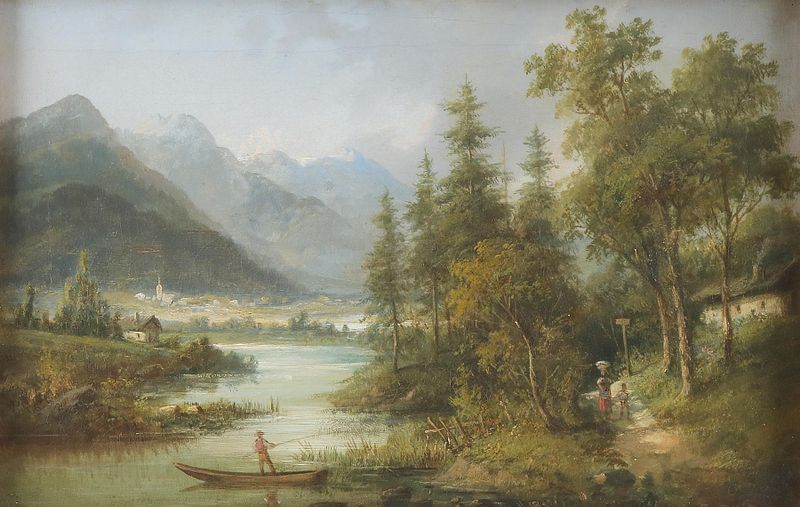
Partie aus Ober-Steier
Eduard Boehm
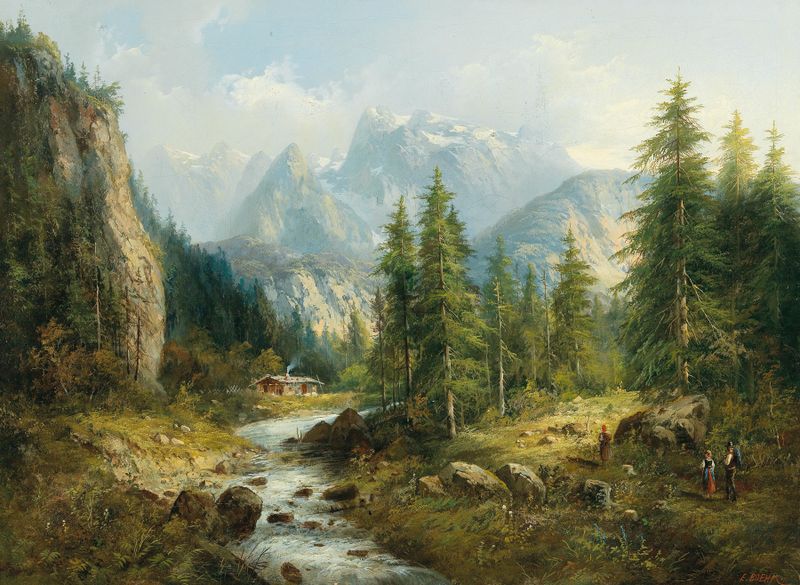
Mountain Landscape with decorative figures
Eduard Boehm
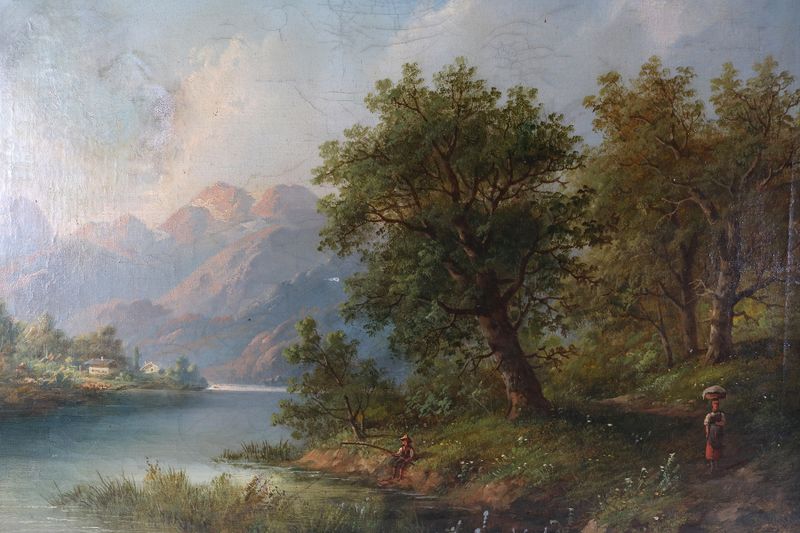
Landschaft in de Steiermark
Eduard Boehm





