
Landschaftsstudie — History & Facts
Can paint confess what words never could? In the depths of Landschaftsstudie, the quiet whispers of decay intertwine with the beauty of nature, revealing the passage of time in a silent confessional. Look closely at the foreground, where rugged textures of earthy browns and muted greens draw the eye. Notice how the brushwork evokes a sense of weariness; each stroke seems to breathe the essence of the landscape's slow surrender to time. The horizon, a soft blend of twilight colors, cradles the scene in an ethereal glow, inviting contemplation.
Shadows stretch languidly across the canvas, hinting at the interplay between light’s warmth and the chill of encroaching decay. Beneath the surface, the painting speaks of life’s transience and the inevitable decay that all things face. The lonely tree stands at the center, its gnarled branches a testament to resilience yet vulnerability, embodying the balance between survival and decline. In the distance, the hint of a withering path suggests journeys once taken, now lost to the quiet erosion of memory.
This interplay of vitality and decline evokes a profound emotional tension, inviting viewers to reflect on their own experiences of loss and transition. Created in an undetermined period, this work reflects Papperitz’s engagement with the Romantic ideals of nature and emotion, prevalent in the 19th century. Known for his atmospheric landscapes, the artist navigated a changing world marked by industrialization and the burgeoning of modern thought. His ability to capture the delicate dance of beauty and decay resonates deeply, echoing the sentiments of an era grappling with the shifts of progress and the haunting specter of what is left behind.
More Artworks by Gustav Friedrich Papperitz
Browse all →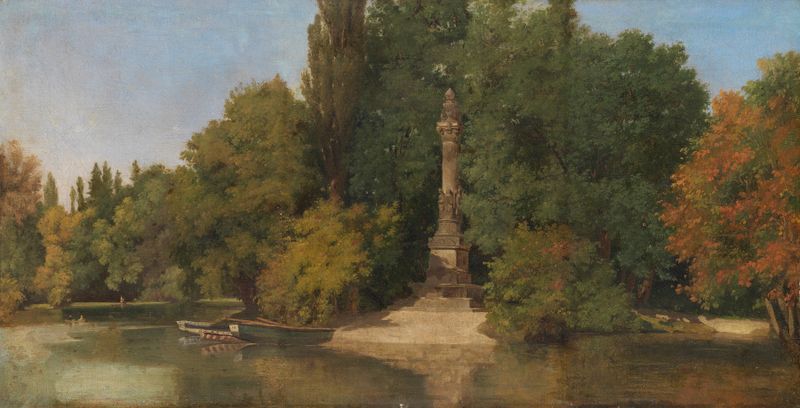
Auf der Gauernitzer Elbinsel
Gustav Friedrich Papperitz

Pflanzenstudie
Gustav Friedrich Papperitz
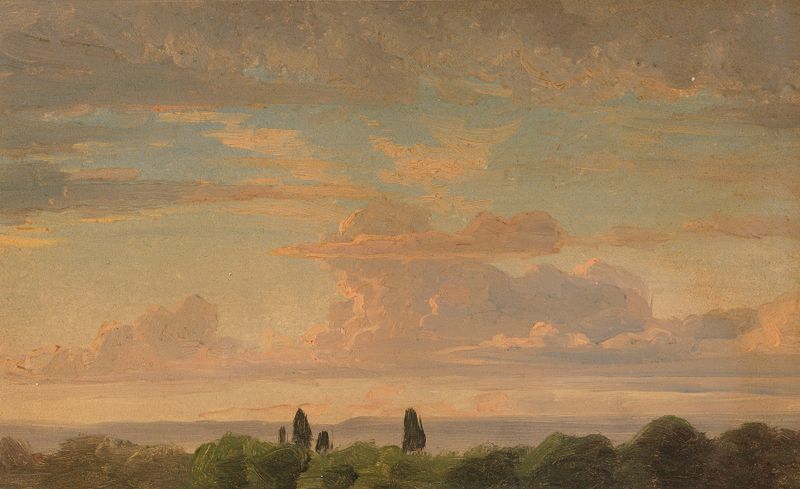
Landschaftsstudie in der Abenddämmerung
Gustav Friedrich Papperitz
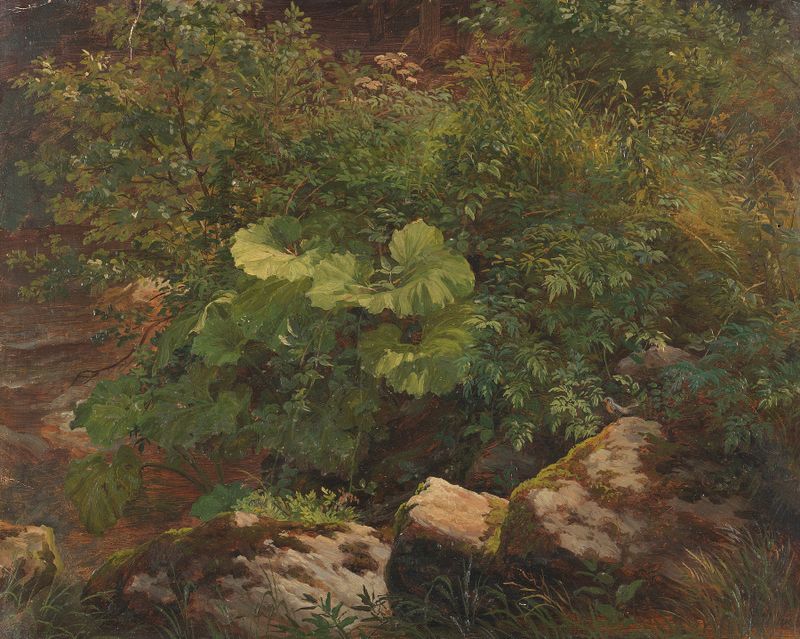
Pflanzenstudie
Gustav Friedrich Papperitz

Waldinneres mit Wasserfall
Gustav Friedrich Papperitz
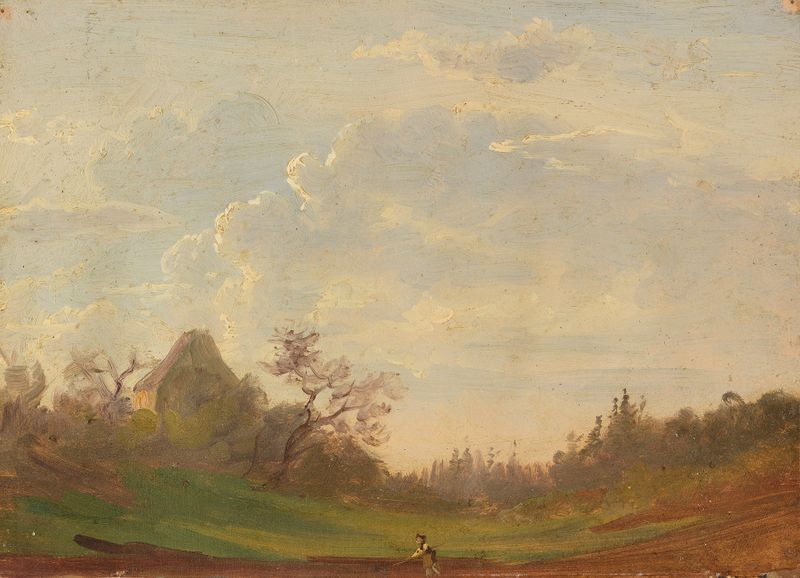
Landschaftsstudie mit pflügendem Bauern
Gustav Friedrich Papperitz
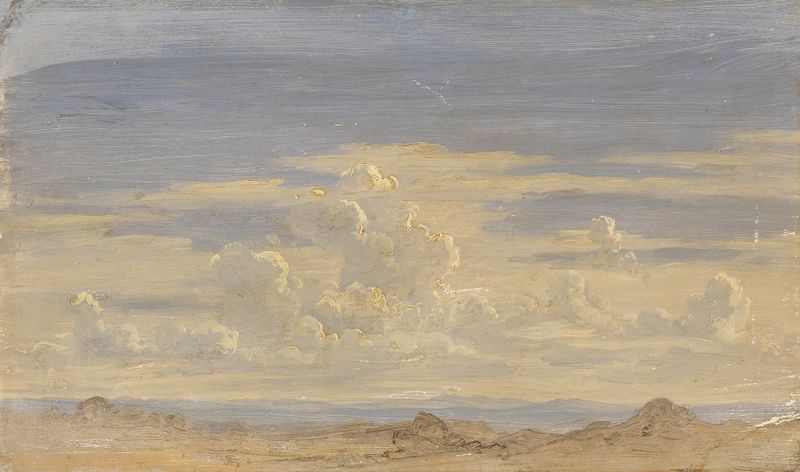
Wolkenstudie
Gustav Friedrich Papperitz
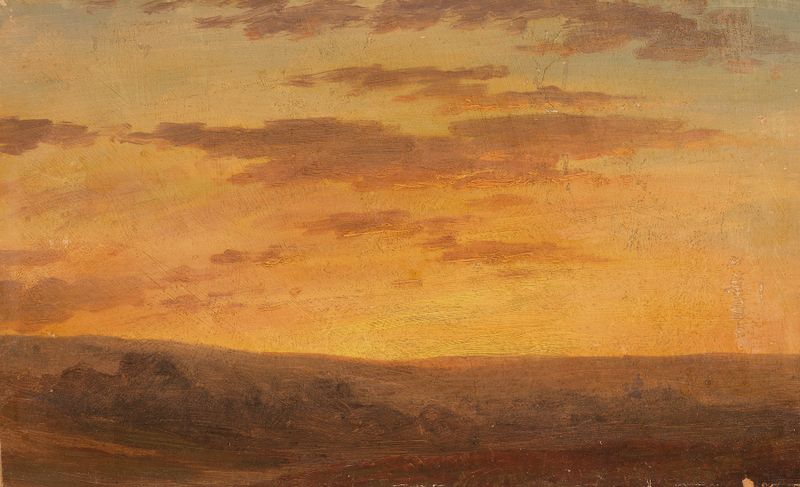
Landschaft in der Abenddämmerung
Gustav Friedrich Papperitz





