
Landschap bij Windsor — History & Facts
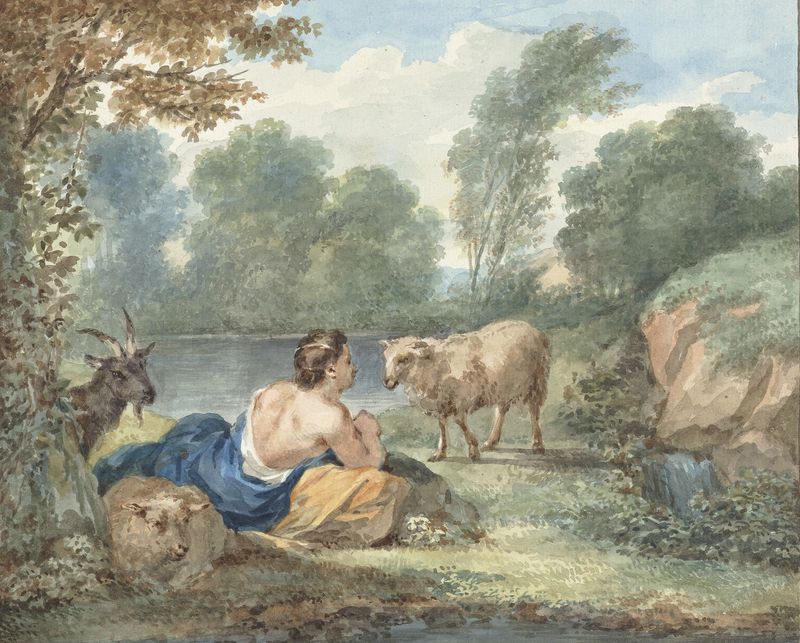
Can paint confess what words never could? In Landschap bij Windsor, the landscape speaks a language of wistful solitude, its muted colors whispering stories of melancholy and memory. Look closely at the horizon, where the sky bleeds into gentle pastels. The subtle transitions of blue and gold create a tranquil backdrop for the serene terrain below. Notice how the trees, rendered with delicate strokes, stand sentinel-like, their branches reaching upwards in quiet longing.
Each blade of grass and every ripple in the water reflects the artist's deft touch, inviting you to bask in the stillness of the scene. Yet, beneath this peaceful exterior lies a rich tapestry of emotions. The solitude of the landscape hints at deeper themes of isolation and nostalgia, inviting viewers to ponder their own connections to the past. The winding path, barely visible, suggests a journey taken or perhaps a journey yet to come, evoking a bittersweet sense of longing.
The interplay of light and shadow emphasizes both the beauty and transience of nature, reminding us that all things are fleeting. In 1765, Aert Schouman created this work in the Netherlands, a time when the art scene was evolving with a focus on landscapes that conveyed more than mere representations. As Europe grappled with emerging Romantic ideals, Schouman expertly infused his landscapes with a sense of emotional depth, capturing not just the physical beauty of the world around him, but also the introspective spirit of his era.
More Artworks by Aert Schouman
Browse all →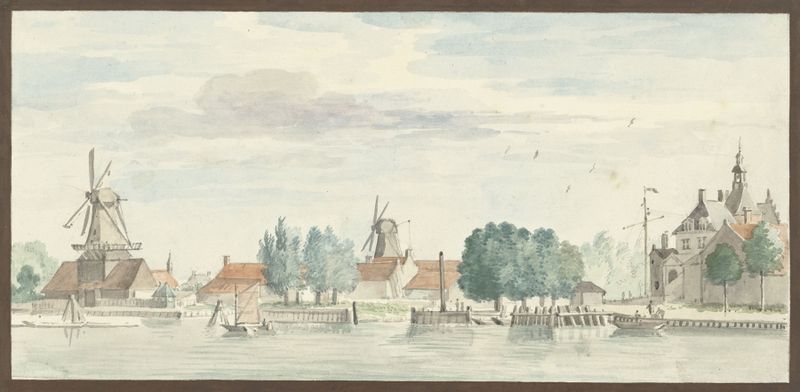
Gezicht op Dordrecht met de Rietdijkspoort en windmolens
Aert Schouman
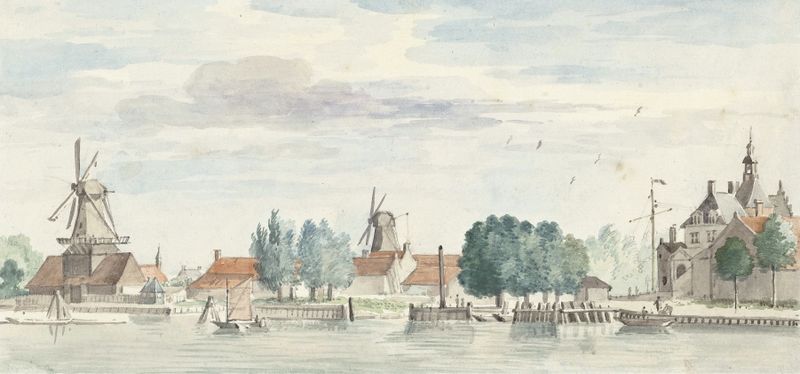
Gezicht op Dordrecht met de Rietdijkspoort en windmolens
Aert Schouman
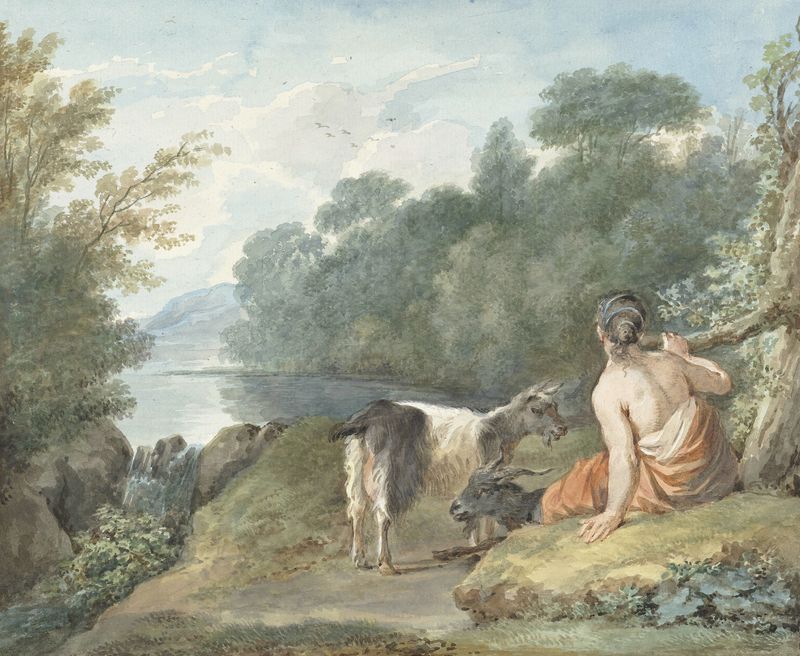
Herderin met geiten in een landschap met een meer
Aert Schouman

Gezicht op de bevroren Merwede bij Moerdijk
Aert Schouman

Zeilschepen op de rivier bij Dordrecht
Aert Schouman

Het kasteel en school te Wouw
Aert Schouman
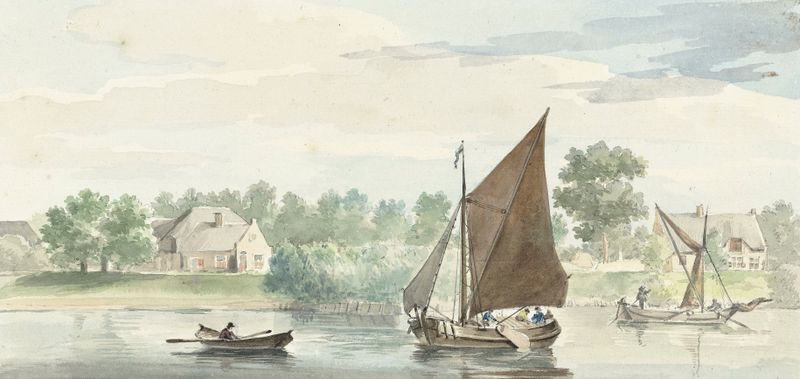
Zeilend schip op de Beneden Merwede bij de Papendrechtse dijk
Aert Schouman

Het dorp ‘s-Gravezande
Aert Schouman

Het kasteel Ter Hooge op Walcheren
Aert Schouman
Herderin met schapen in een landschap met een meertje
Aert Schouman





