
Landschap met de heilige familie en twee voedvrouwen — History & Facts
Could beauty survive in a century of chaos? In the serene canvas of Landschap met de heilige familie en twee voedvrouwen, the artist captures a moment that transcends the turmoil of the 17th century, inviting viewers to experience a dreamlike peace amidst the surrounding uncertainties. Look to the left where the Holy Family is nestled in a gentle embrace, bathed in soft, radiant light that seems to glow from within. The lush landscape envelops them, with verdant greens and warm earth tones that harmonize beautifully. Notice how the figures are arranged in a triangular composition, drawing the eye to baby Jesus at the center, while subtle play of light and shadow adds depth, enhancing the emotional weight of this tender scene. Delve deeper into the contrasting elements the artist employs to evoke a sense of tranquility.
The presence of the two wet nurses, with their loving expressions, symbolizes nurturing and care, juxtaposed against the chaos of the outside world. The idyllic landscape stands in stark contrast to the turbulence of societal changes during this era, suggesting that, even in disarray, love and beauty persevere. This duality resonates with the viewer, evoking feelings of both solace and longing. Lucas van Uden created this work between 1605 and 1673, a time marked by both artistic flourishing and political strife in the Netherlands.
As the Baroque style began to take shape, he explored themes of spirituality and daily life, reflecting the beliefs and aspirations of his contemporaries. During this period, the emphasis on naturalism and emotional depth in art was pronounced, and Uden’s work stands as a testament to this transition, capturing a fleeting, yet enduring, moment of grace.
More Artworks by Lucas van Uden
Browse all →
A river landscape with travellers
Lucas van Uden
River Landscape with Peasants on the Way to Market
Lucas van Uden
Landscape with a Road through a Wood of Beeches
Lucas van Uden
Landschap met een dorp en een schalmei spelende man
Lucas van Uden
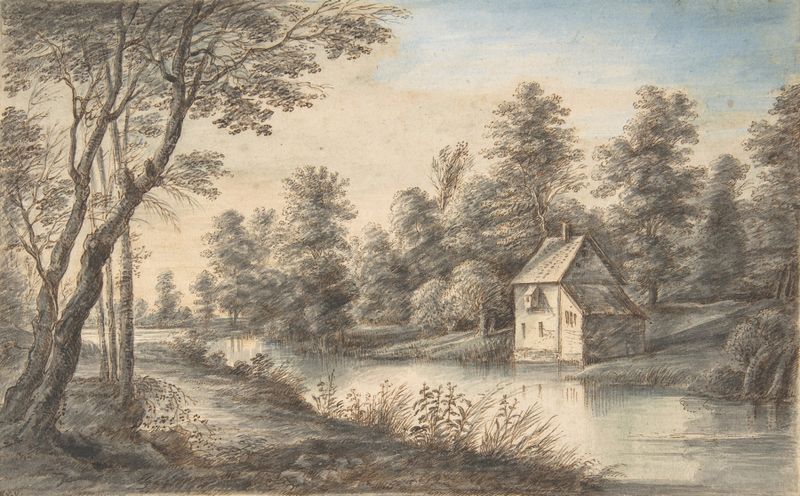
Wooded Landscape with a House beside a River
Lucas van Uden
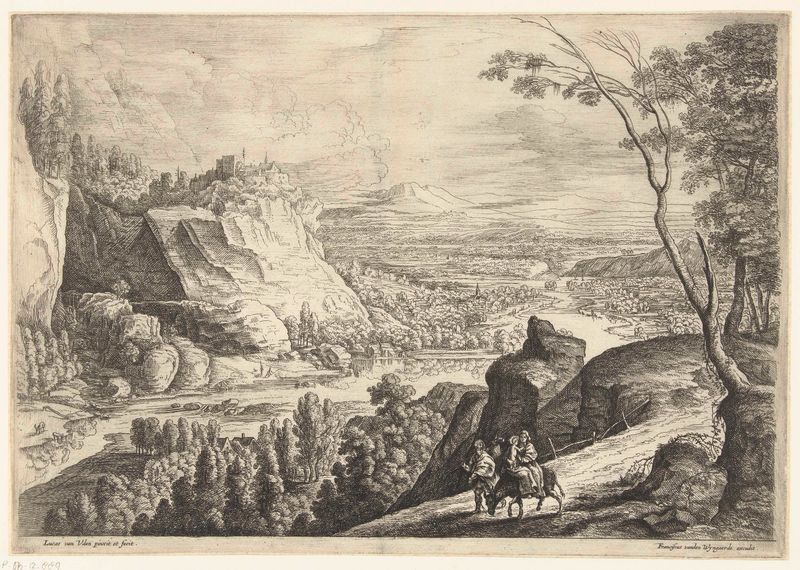
Landschap met de vlucht naar Egypte
Lucas van Uden
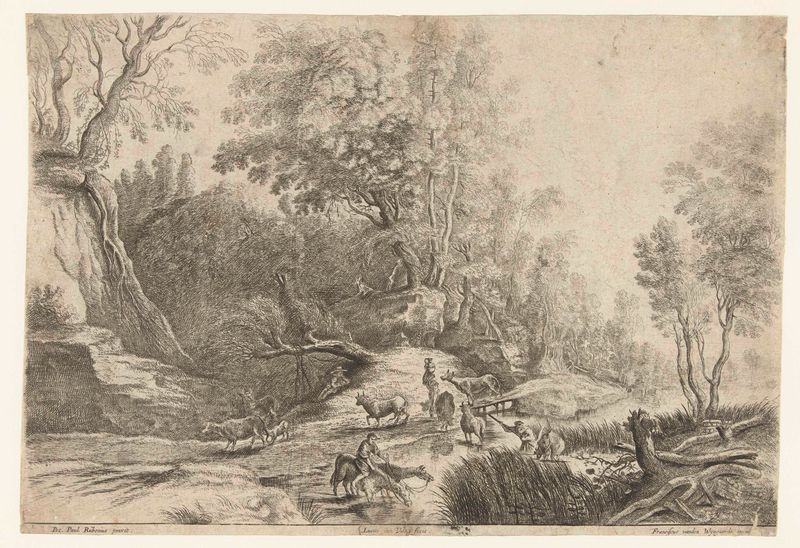
Paarden en koeien bij een drinkplaats
Lucas van Uden
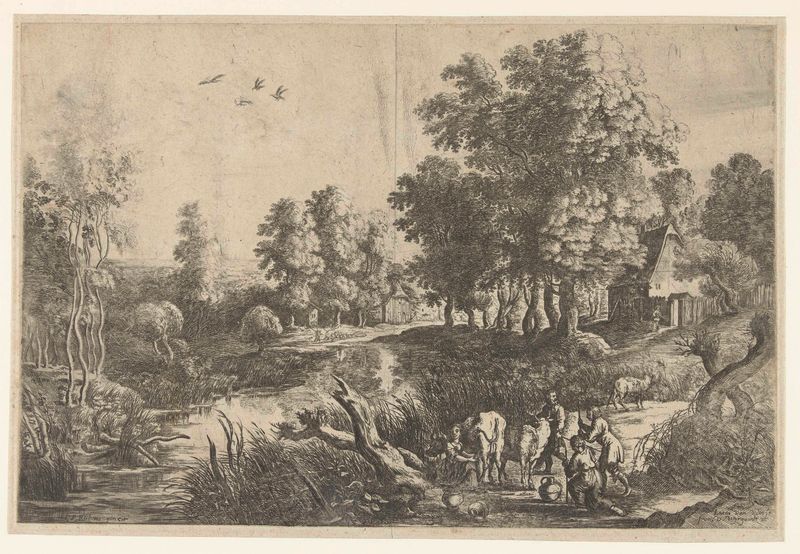
Boeren met vee bij een beek
Lucas van Uden
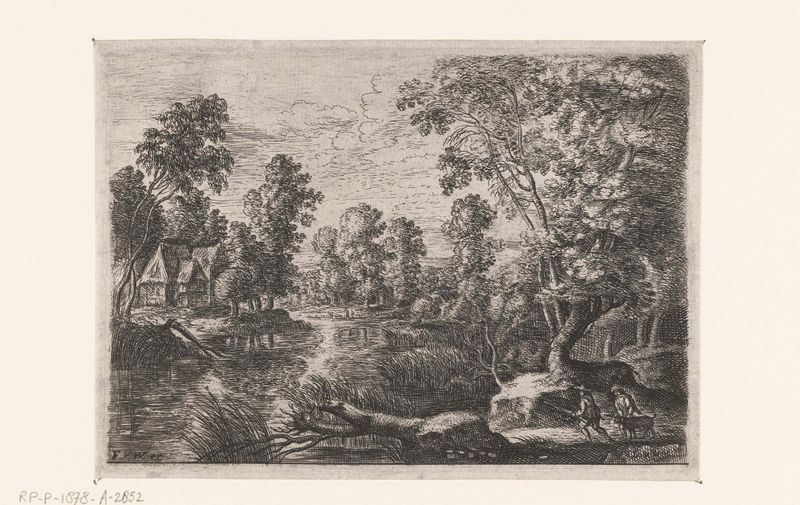
Landschap met een beek en een jager
Lucas van Uden
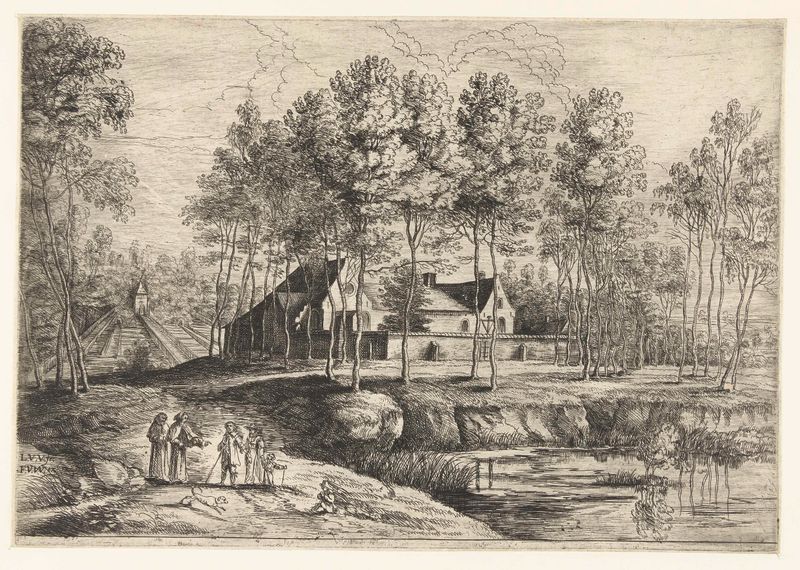
Gezicht op het kapucijnenklooster te Tervuren
Lucas van Uden
More Religious Art
Browse all →
The Return of the Prodigal Son
Rembrandt van Rijn

The Garden of Earthly Delights
El Bosco

Count Orgaz’ funeral
El Greco

The Hundred Guilder Print: the central piece with Christ preaching, the plate arched
Rembrandt van Rijn

The Descent from the Cross
Rogier van der Weyden

The return of the prodigal son
Rembrandt van Rijn