
Landschap met de vlucht naar Egypte — History & Facts
In a world beset by fleeting moments and unquenchable longing, the act of capturing desire becomes an eternal pursuit. Look closely at the soft, verdant hills rolling across the canvas; they cradle the figures in Landschap met de vlucht naar Egypte. Focus on the gentle arch of the trees that frame the scene, their dark silhouettes contrasting vividly with the ethereal light that bathes the landscape. The soft pastel hues of dawn render a sense of hope, while the cool blues and warm golds breathe life into Joseph, Mary, and the child—each a poignant embodiment of longing for safety and solace. The journey depicted whispers of profound emotional truths—sacrifice, vulnerability, and the relentless quest for refuge.
The juxtaposition of the serene landscape against the figures’ hurried flight evokes an inherent tension; it is a portrayal of despair mingled with hope. Notice the child’s head turned, capturing an expression that hints at a yearning for a world untouched by fear, while the protective stance of Mary and Joseph embodies the weight of parental love, underscored by the urgency of their escape. Lucas van Uden painted this piece during the early 17th century, a time of turbulence and religious strife in Europe. Living in the bustling city of Antwerp, he witnessed both the flourishing art scene and the hardships of his contemporaries.
This backdrop undoubtedly influenced his exploration of themes of refuge and desire, as artists sought deeper emotional connections amidst the chaos of their world.
More Artworks by Lucas van Uden
Browse all →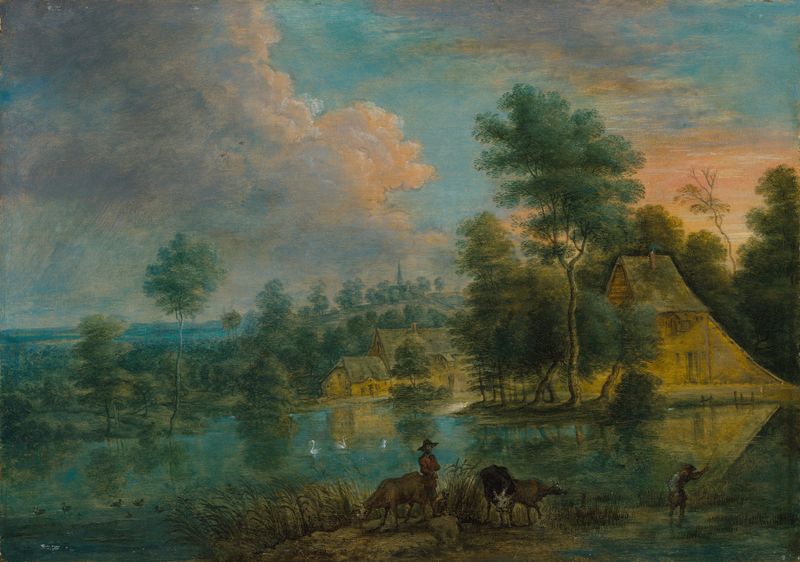
A river landscape with travellers
Lucas van Uden
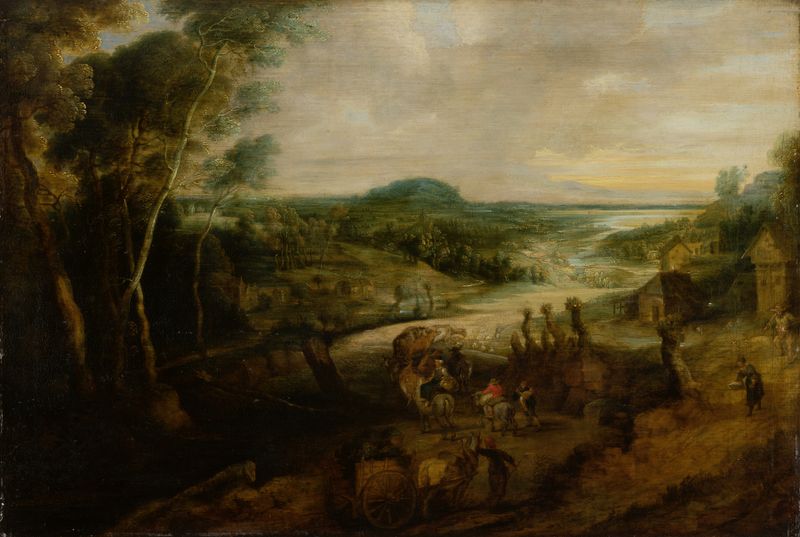
River Landscape with Peasants on the Way to Market
Lucas van Uden
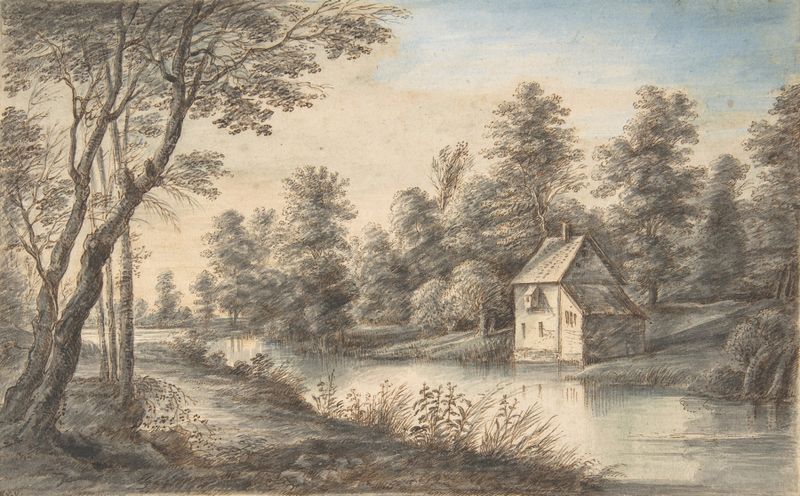
Wooded Landscape with a House beside a River
Lucas van Uden
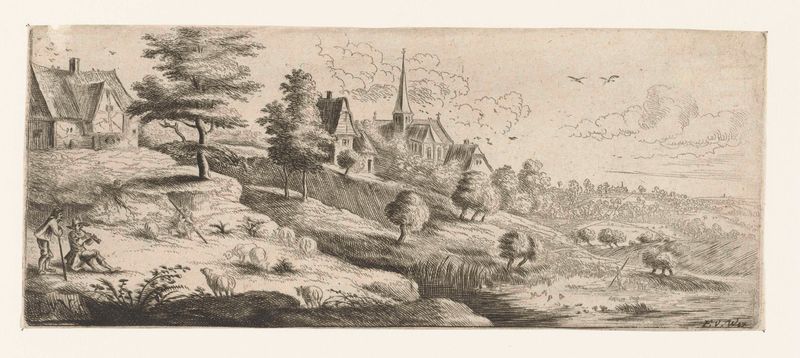
Landschap met een dorp en een schalmei spelende man
Lucas van Uden
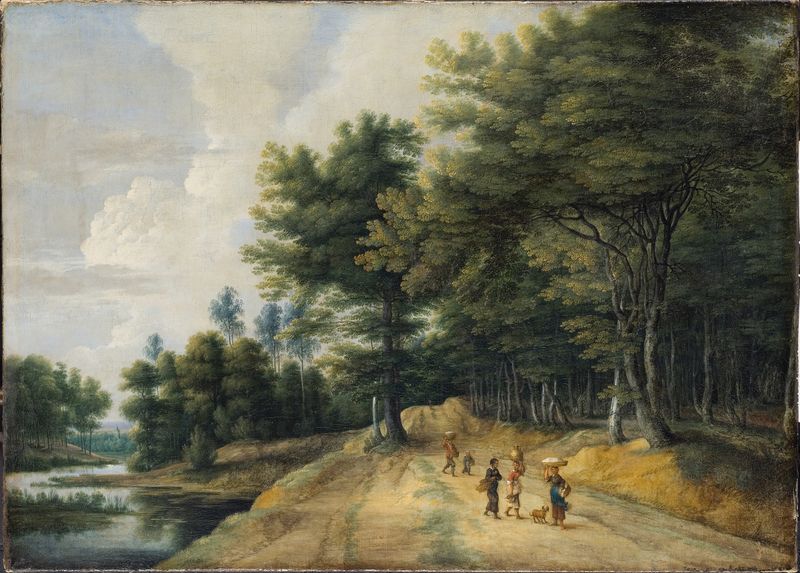
Landscape with a Road through a Wood of Beeches
Lucas van Uden
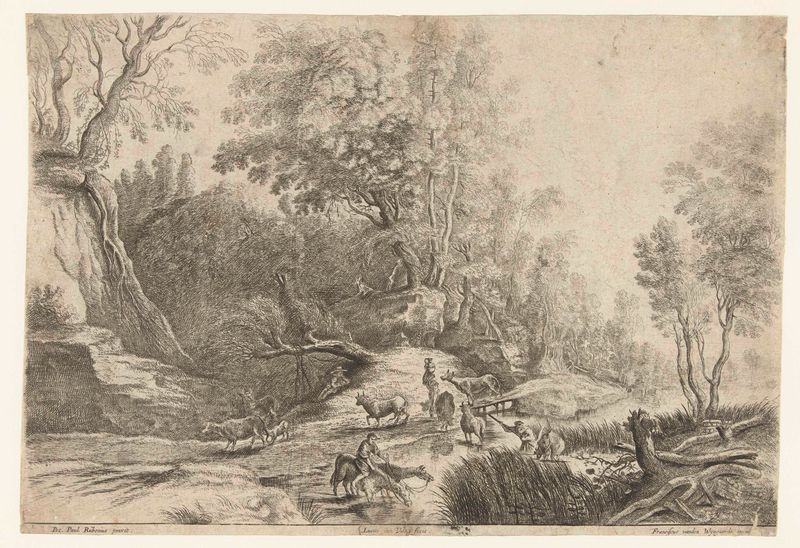
Paarden en koeien bij een drinkplaats
Lucas van Uden
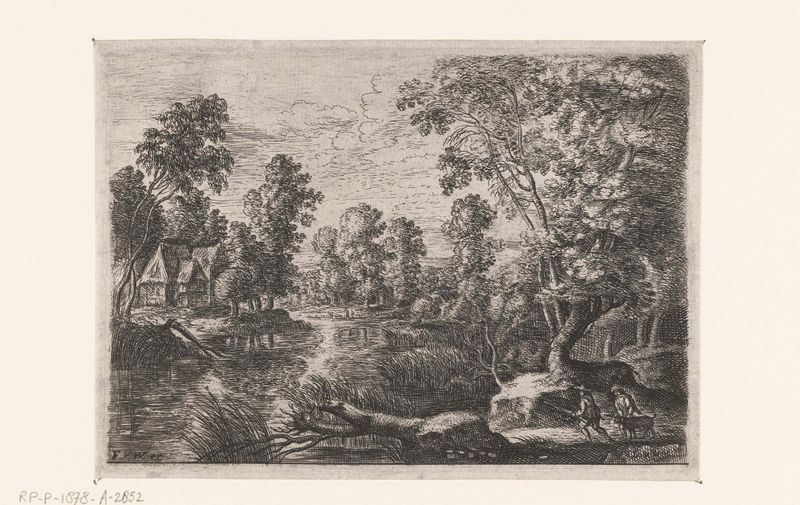
Landschap met een beek en een jager
Lucas van Uden
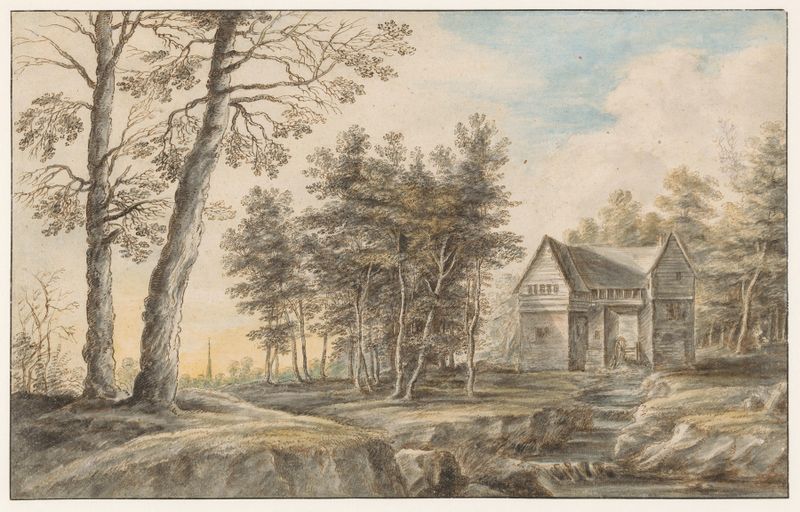
Landschap met een watermolen
Lucas van Uden
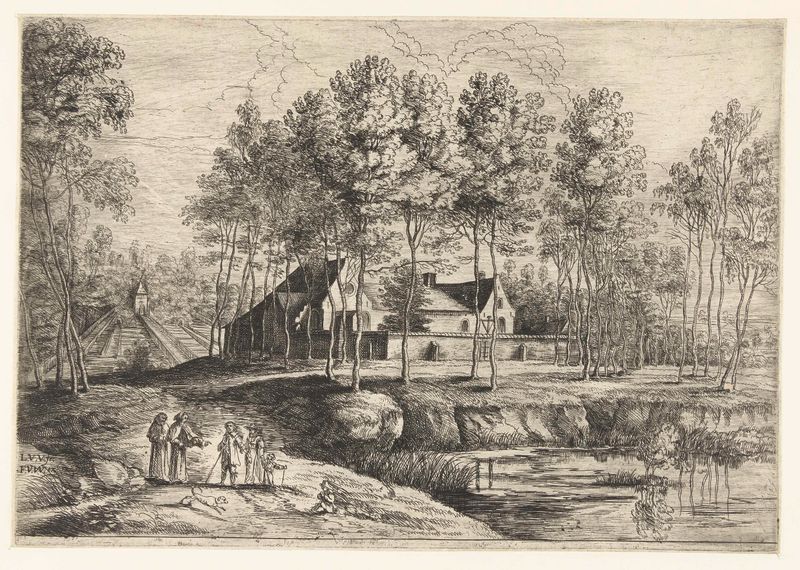
Gezicht op het kapucijnenklooster te Tervuren
Lucas van Uden
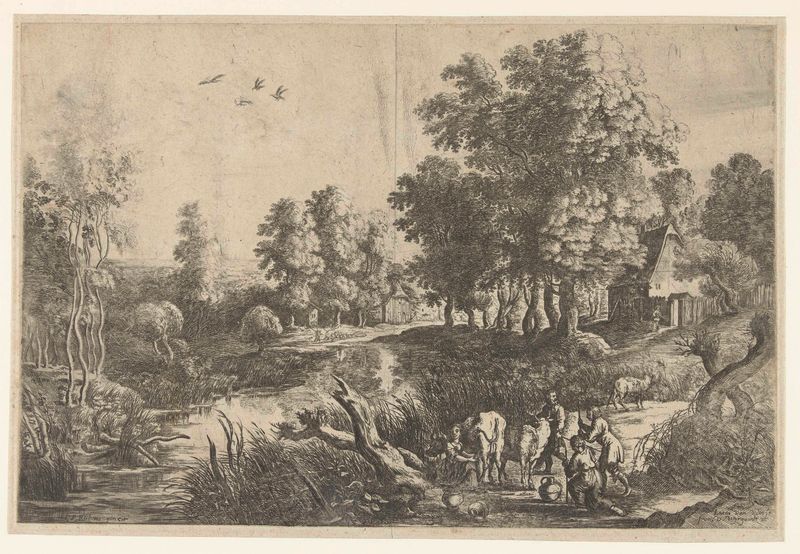
Boeren met vee bij een beek
Lucas van Uden





