
Landschap met korenveld — History & Facts
When did color learn to lie? In Landschap met korenveld, vibrant greens and sunny yellows seduce the eye, yet they whisper of a deeper betrayal beneath their beauty. Look to the horizon, where the golden wheat fields stretch endlessly, kissed by the soft caress of sunlight. The sky overhead shifts from azure to whispers of pastel pinks, creating a serene backdrop that belies the turmoil of the earth beneath. Notice how the brushstrokes dance across the canvas, each textured stroke revealing the artist's deft hand, while the carefully crafted composition draws your gaze toward the distant trees that stand sentinel, silently bearing witness to nature's secrets. Yet, within this picturesque scene lies an unsettling tension.
The flourishing fields, while enchanting, hint at the labor and sacrifice of those who toil beneath the sun—workers perhaps unseen, toiling in the shadows of this idyllic landscape. The juxtaposition of the serene beauty and the implicit hardship invites questions about the true cost of nature’s bounty, suggesting that even the most alluring views may conceal a darker narrative of exploitation and struggle. Created between 1637 and 1684, this work reflects a time when Claes van Beresteyn was deeply engaged in the artistic currents of the Dutch Golden Age. Amidst a flourishing of landscape painting, he grappled with themes of beauty and truth, capturing not just the aesthetics of his surroundings but also their complicated realities—a reflection of a society in which prosperity often masked profound inequities.
More Artworks by Claes van Beresteyn
Browse all →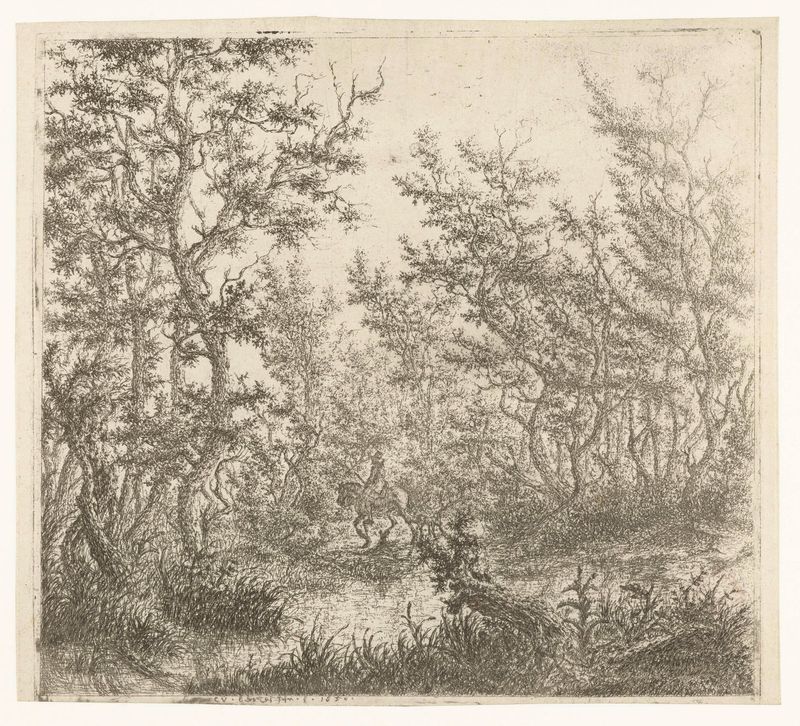
Boslandschap met een ruiter
Claes van Beresteyn
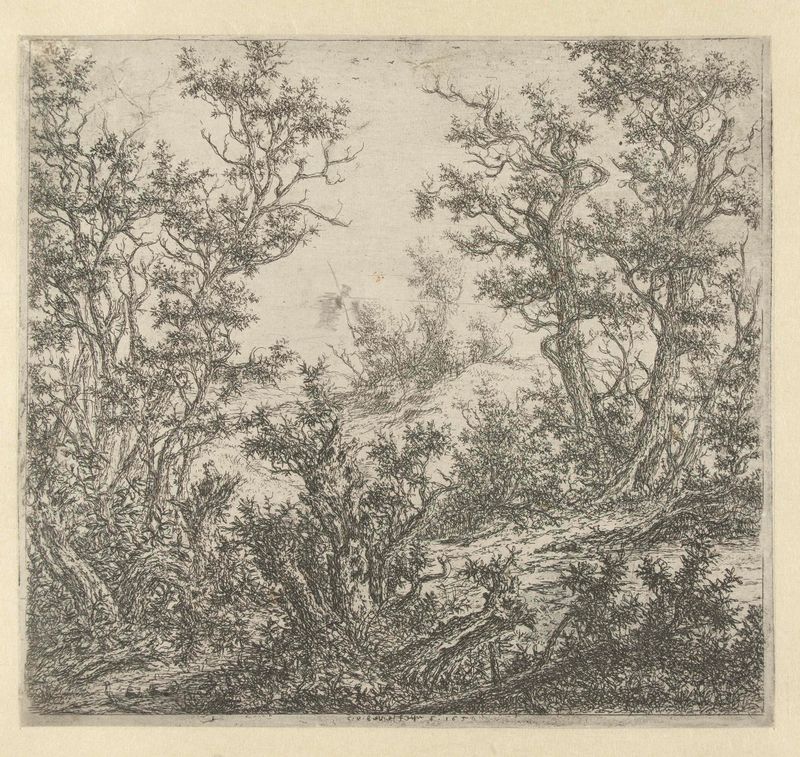
Landscape with Three Oak Trees on the Right
Claes van Beresteyn

Landscape in Oval
Claes van Beresteyn

Landschap met twee mannen die een naakte vrouw bespieden
Claes van Beresteyn
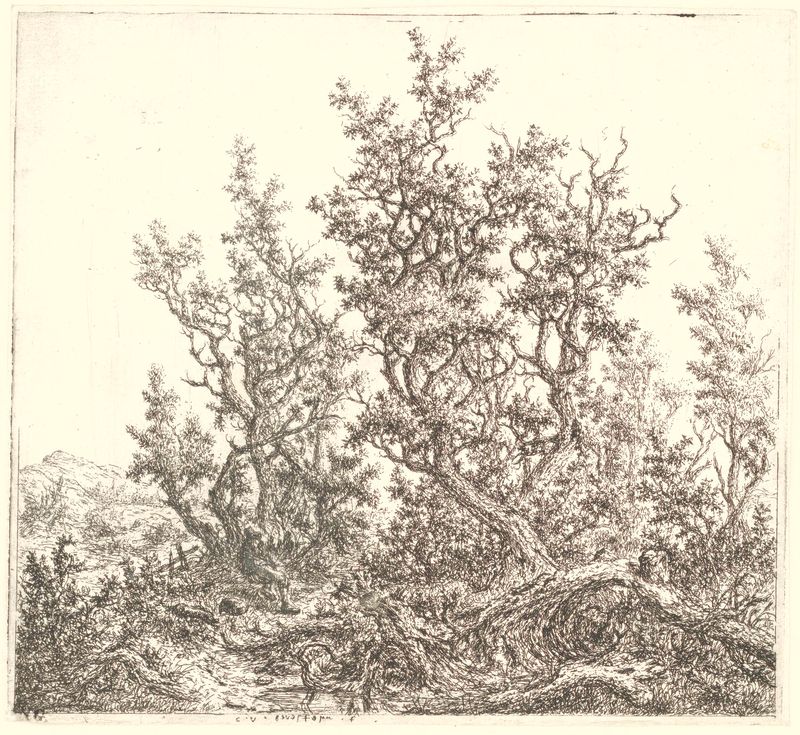
Landschap met een groep eiken en een rustende man
Claes van Beresteyn

Boslandschap met een ruiter
Claes van Beresteyn
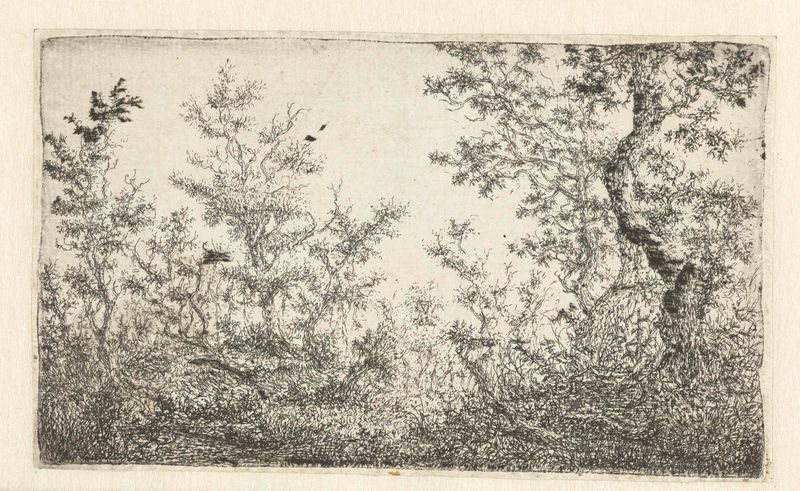
Open plek in het bos
Claes van Beresteyn

Landschap met twee mannen, een paard en twee honden
Claes van Beresteyn
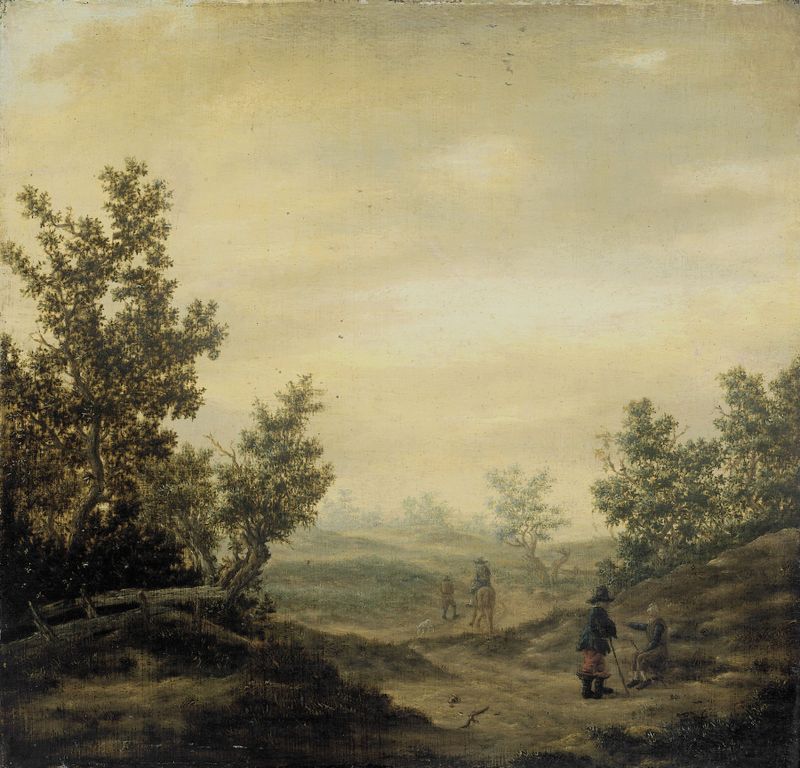
Road in the Dunes
Claes van Beresteyn
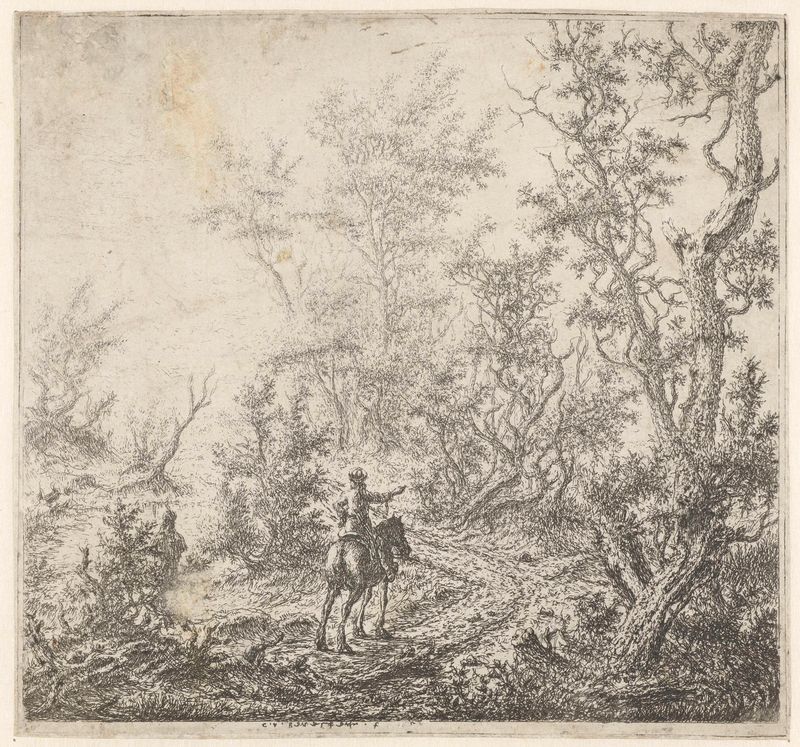
Boslandschap met een ruiter in gesprek met man op pad
Claes van Beresteyn





