Large plate or 'lampetschotel' of Chinese porcelain from the wreck of the Dutch East Indiaman Witte Leeuw — History & Facts
When did color learn to lie? Beneath the delicate glaze of this ancient porcelain lies a story of maritime peril and cultural exchange, inviting contemplation on both beauty and fragility. Look closely at the intricately painted designs that swirl across the surface. Each brushstroke breathes life into mythological motifs, where vibrant blues and subtle whites dance together, creating a harmony that seems almost ethereal. The way the light gleams off the smooth edges accentuates the plate's refined craftsmanship, inviting the viewer to consider not just its visual allure but the skilled hands that once fashioned it. Yet, within this beauty lies a haunting contrast.
The shipwreck of the Witte Leeuw speaks of loss, a stark reminder that such elegance was not merely created, but also claimed by the sea. The repeated motifs of waves and flora evoke both nature's bounty and its inherent dangers. Each crack in the surface tells of time passed and the weight of history, transforming this plate into a poignant relic of fragility amidst grandeur. This porcelain piece, crafted before 1613, emerged from the depths of maritime history at a time when the Dutch East India Company was establishing its presence in global trade.
The artist remains unknown, yet their work embodies the intersection of artistry and commerce in a world where porcelain became a symbol of wealth and aspiration, exemplifying the delicate balance between human creation and the unpredictable forces of nature.
More Artworks by Unknown Artist
Browse all →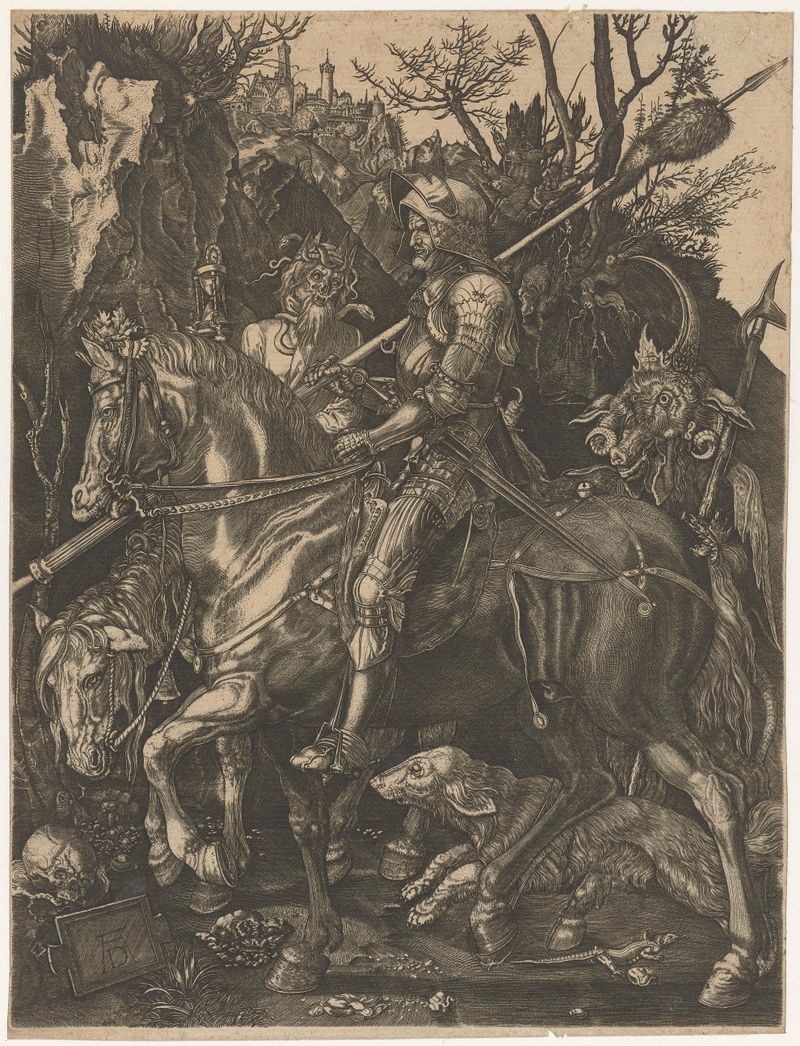
Ridder, Dood en Duivel
Unknown Artist
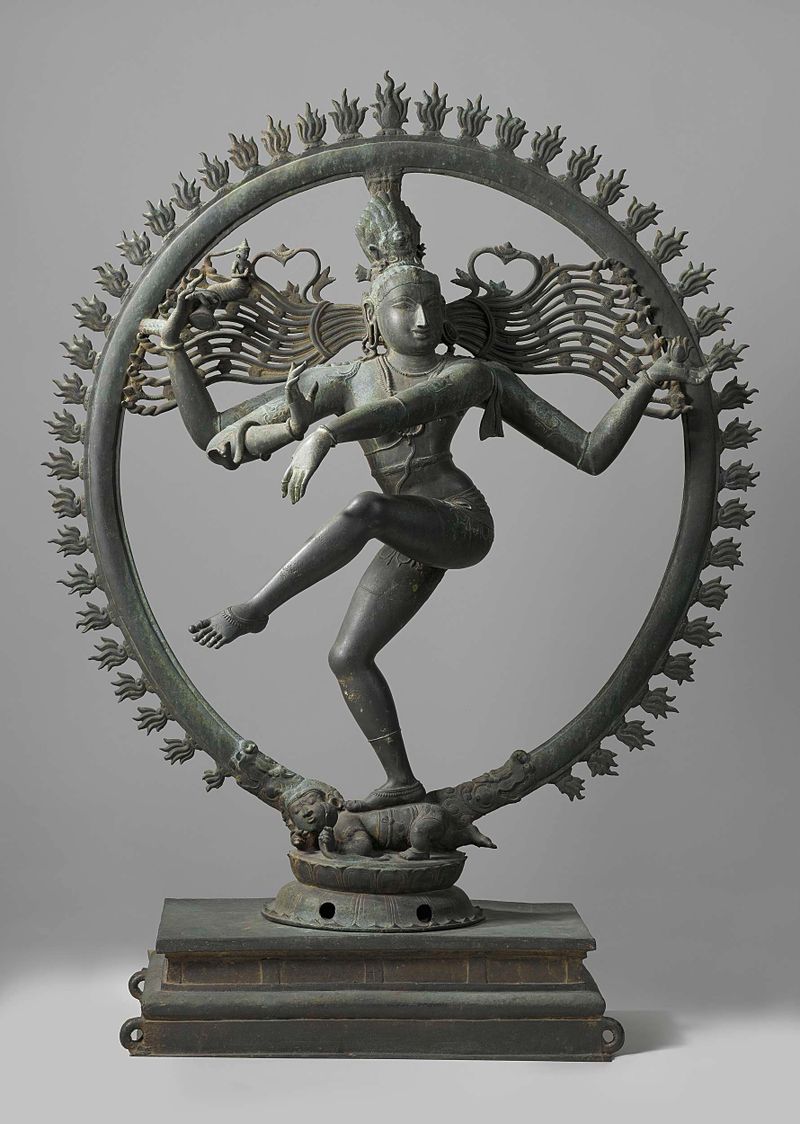
Shiva Nataraja
Unknown Artist

Portrait of Elizabeth I, Queen of England
Unknown Artist
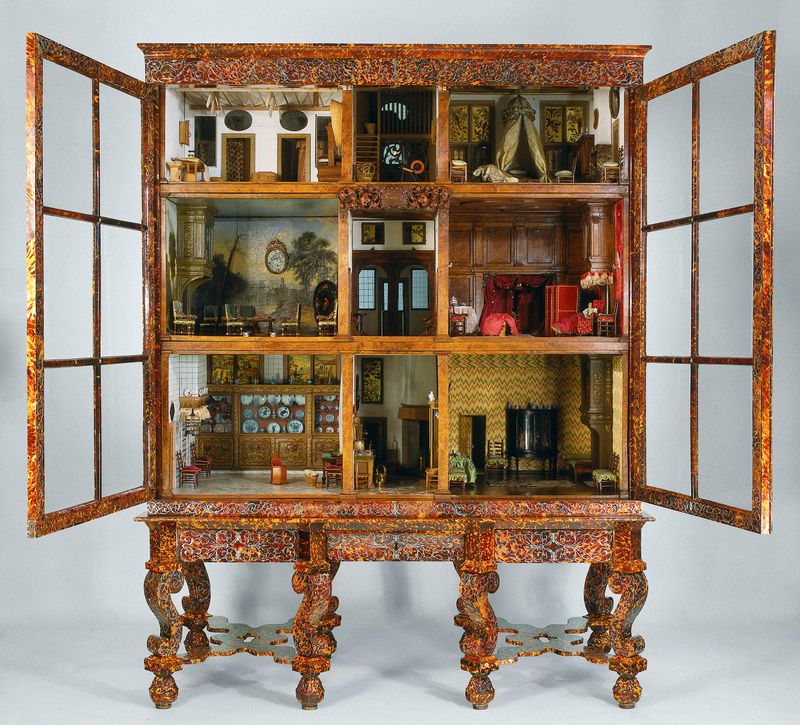
Dolls’ house of Petronella Oortman
Unknown Artist
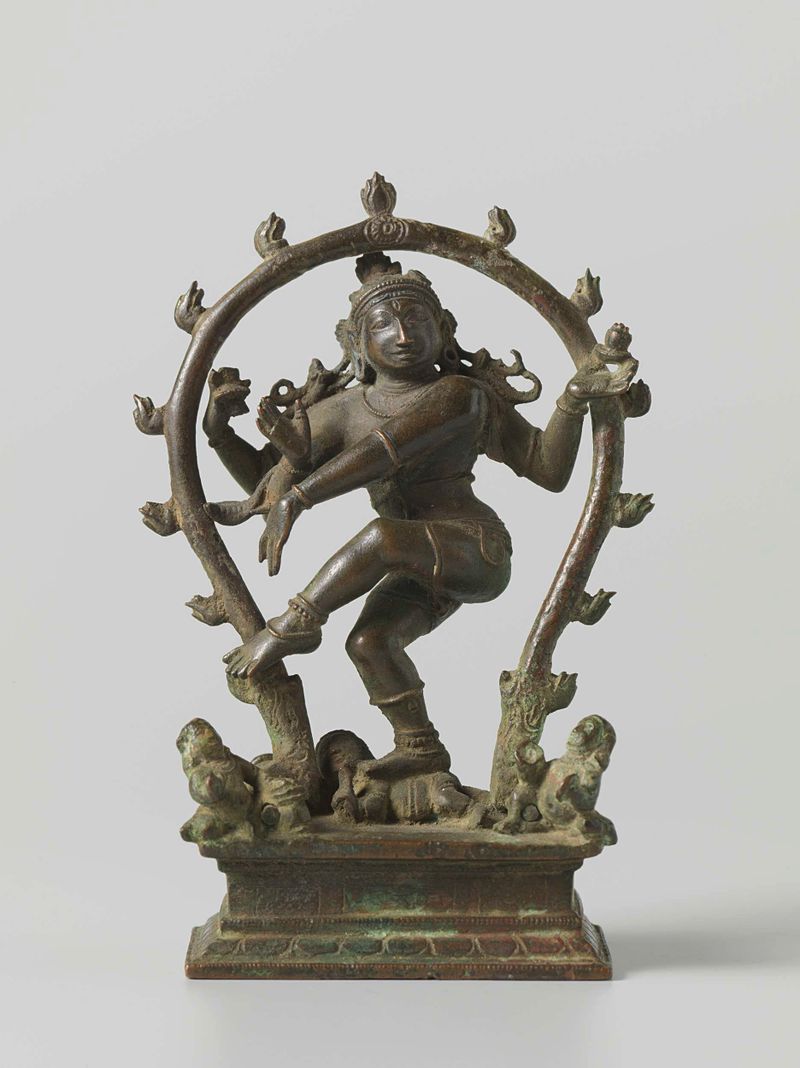
Shiva Nataraja
Unknown Artist

The Tale of Genji
Unknown Artist

The Tale of Genji
Unknown Artist

Cong
Unknown Artist
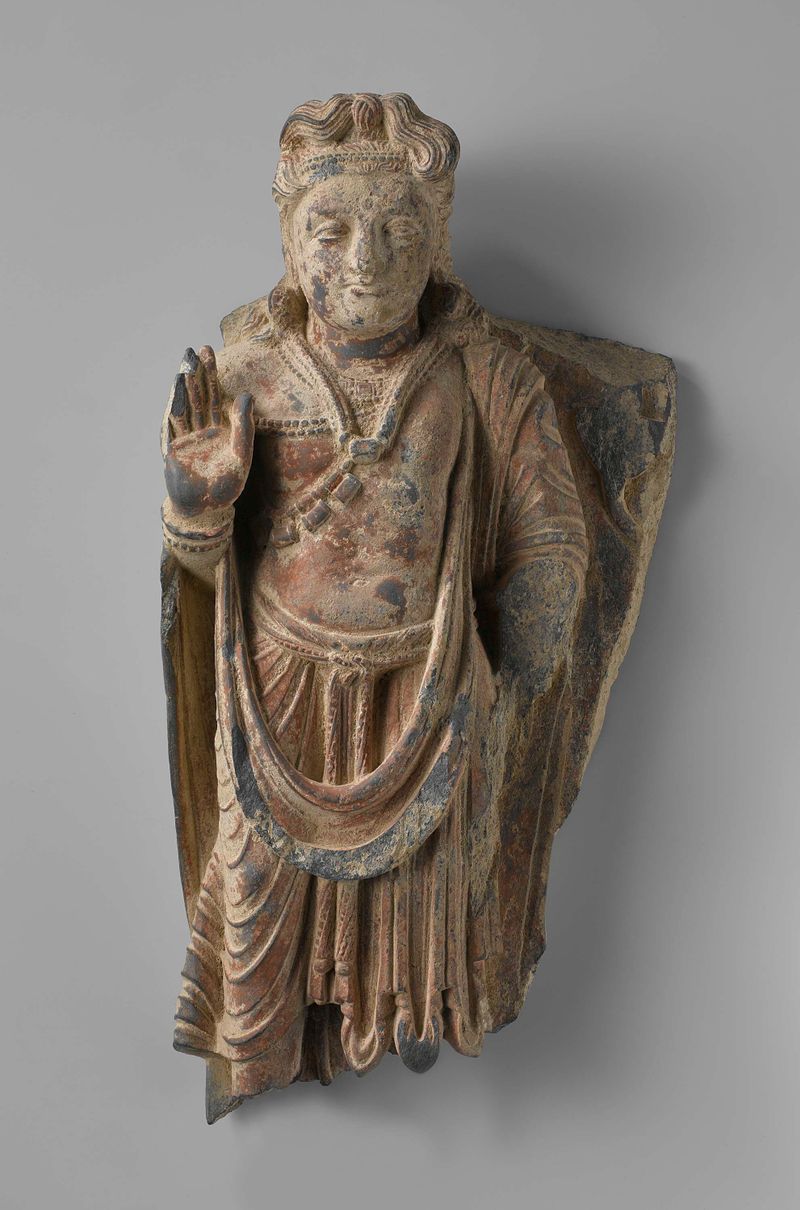
The bodhisattva Maitreya
Unknown Artist

Teabowl with a 'hare's fur' glaze
Unknown Artist