
Lavabo — History & Facts
What if beauty was never meant to be finished? In a world where decay intertwines with artistry, the ephemeral speaks volumes about permanence. Focus on the intricate details of the Lavabo, where delicate motifs converge into a harmonious tapestry. Observe how the muted tones evoke a sense of solemnity, while shadows play upon the surface, revealing layers of craftsmanship. Each fold of cloth, each twist of vine, draws your gaze deeper into the composition, inviting contemplation of both the divine and the mundane aspects of life. Contrasts emerge vividly within this piece.
The juxtaposition of exquisite details against the inevitable signs of age speaks to the fragility of existence. Look closely, and you may find hints of wear that whisper of time’s passage, suggesting that beauty, too, is subject to the ravages of decay. This interplay evokes an emotional tension, urging viewers to reflect on their own fleeting experiences amidst a world that relentlessly advances. Created between 1450 and 1500, this artwork reflects the aesthetic sensibilities of late medieval Europe.
During this period, artists were exploring themes of humanism and the sacred, often channeling their anxieties and aspirations into their creations. The anonymous artist behind Lavabo navigated this dynamic landscape, capturing the delicate balance between beauty and impermanence, a notion that resonates deeply even today.
More Artworks by Unknown Artist
Browse all →
Ridder, Dood en Duivel
Unknown Artist
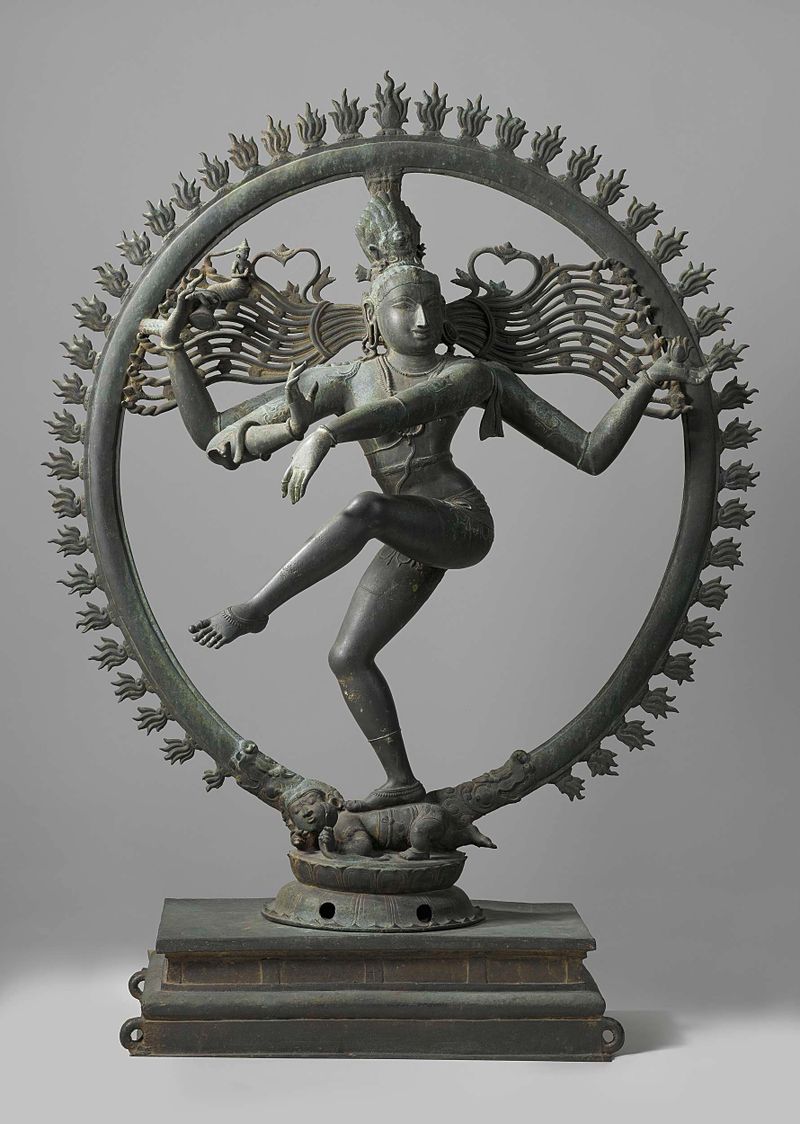
Shiva Nataraja
Unknown Artist
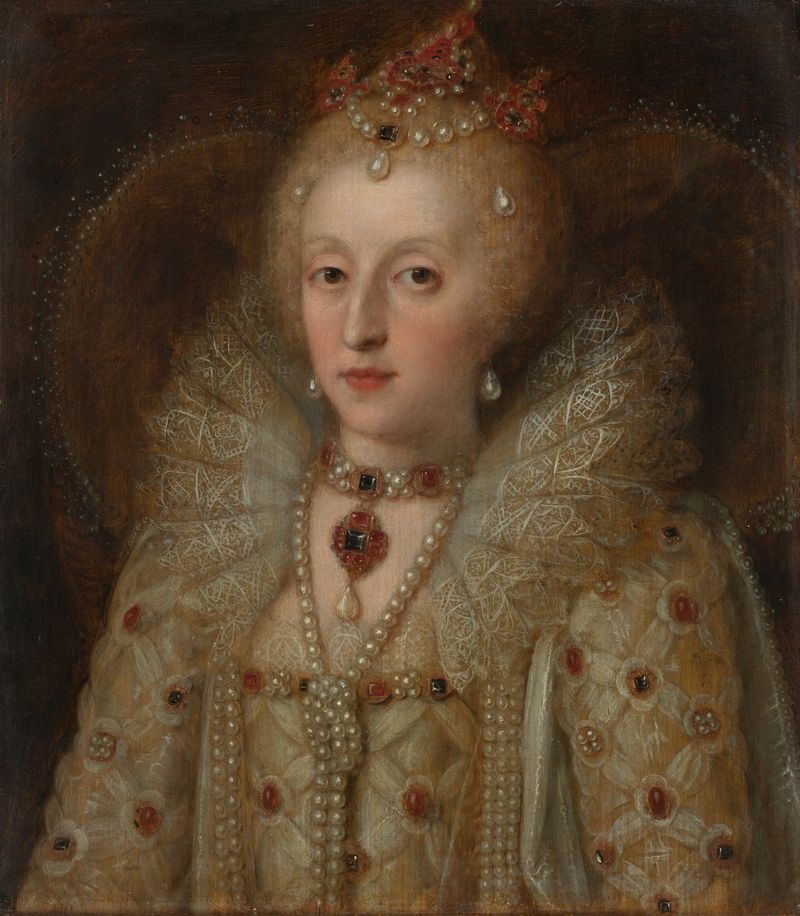
Portrait of Elizabeth I, Queen of England
Unknown Artist
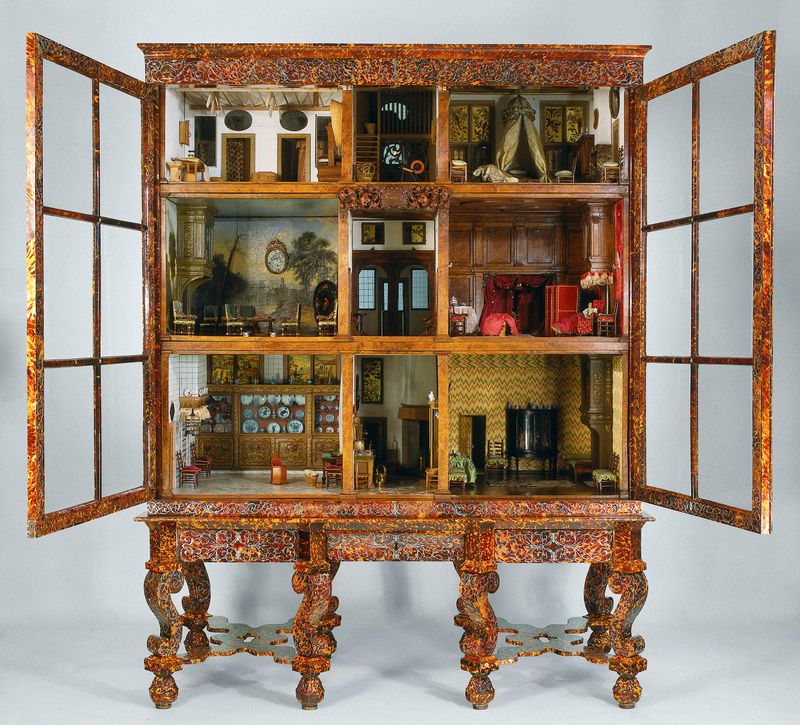
Dolls’ house of Petronella Oortman
Unknown Artist
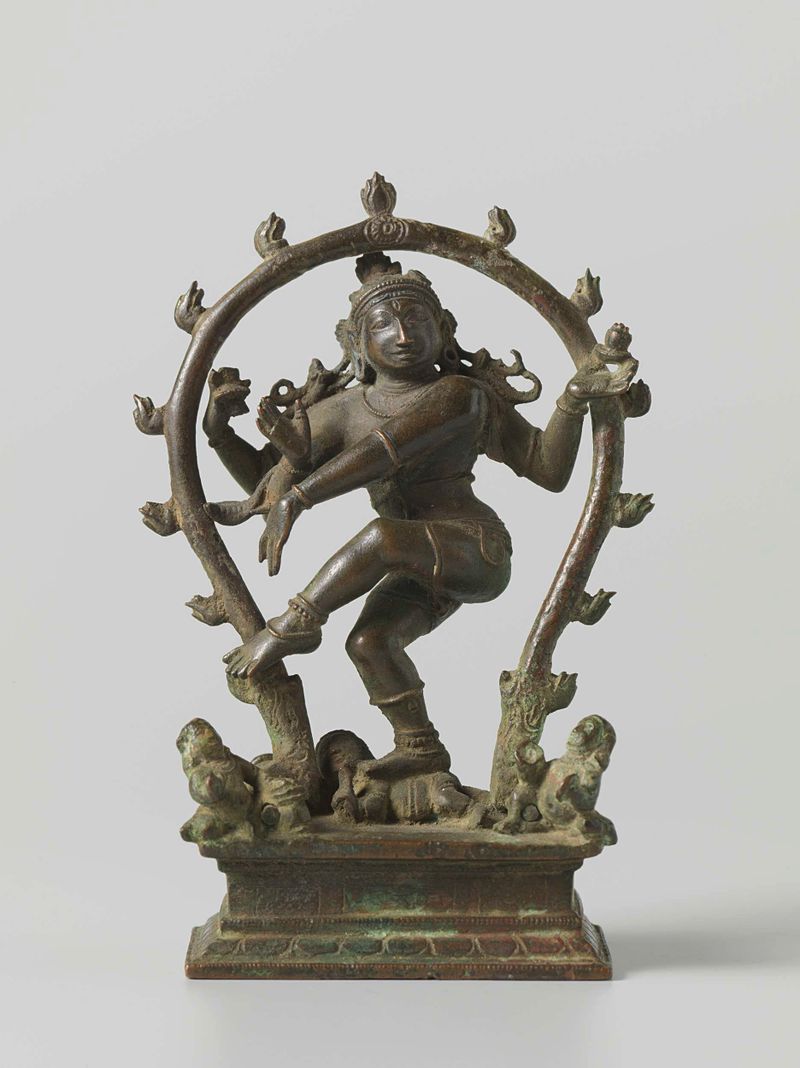
Shiva Nataraja
Unknown Artist

The Tale of Genji
Unknown Artist

The Tale of Genji
Unknown Artist

Cong
Unknown Artist
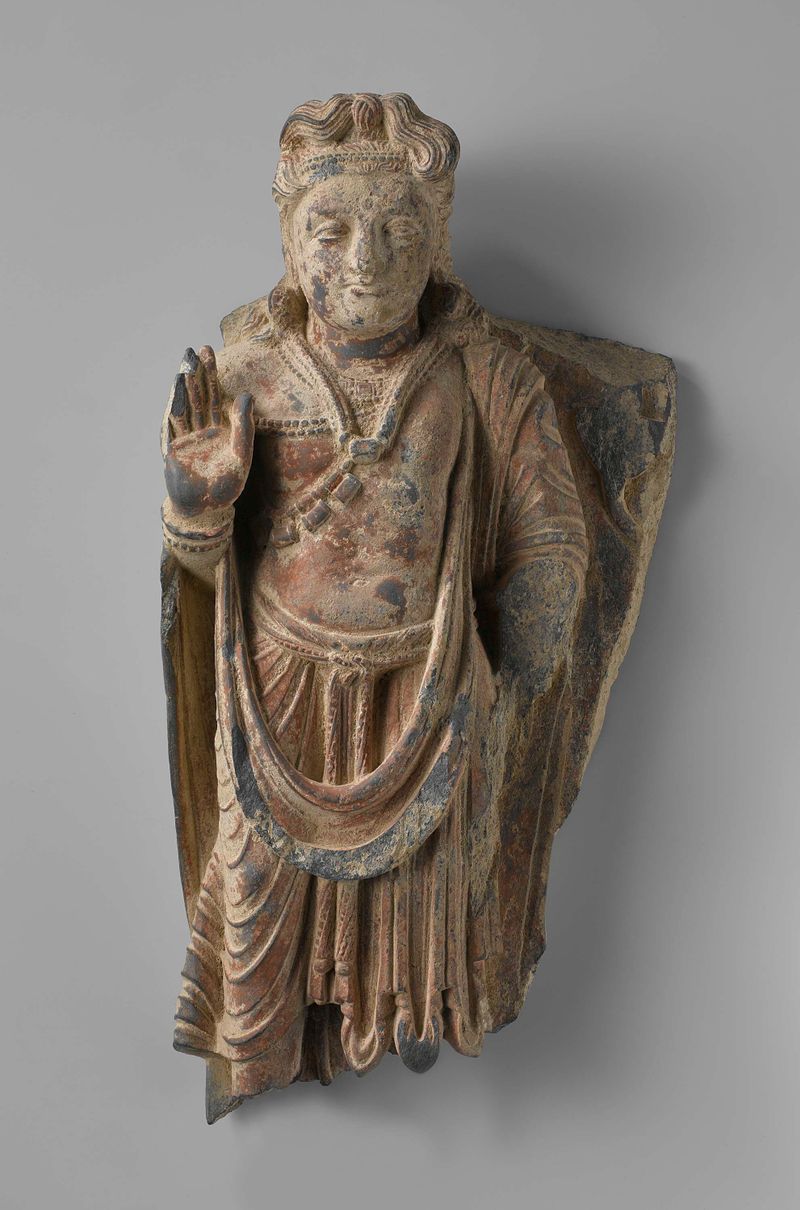
The bodhisattva Maitreya
Unknown Artist

Teabowl with a 'hare's fur' glaze
Unknown Artist
More Religious Art
Browse all →
The Return of the Prodigal Son
Rembrandt van Rijn

The Garden of Earthly Delights
El Bosco

Count Orgaz’ funeral
El Greco

The Hundred Guilder Print: the central piece with Christ preaching, the plate arched
Rembrandt van Rijn

The Descent from the Cross
Rogier van der Weyden

The return of the prodigal son
Rembrandt van Rijn