
Lavano at the Lago Maggiore — History & Facts
The allure of Lavano at the Lago Maggiore captivates yet unsettles, drawing us into its shimmering depths. We are left to ponder whether beneath the serene surface lies an echo of hidden madness. Look to the center where the crystal-clear waters mirror the cobalt sky, the tranquil lake cradling the golden light of dawn. Notice how the artist employs vivid colors—rich greens and warm ochres—that dance in harmony, yet convey an undercurrent of tumult.
The billowing clouds overhead, swirling with intensity, seem to foreshadow the fragility of this idyllic scene, suggesting that beauty here is merely a façade. In the gentle sway of the boats, one senses both leisure and desperation, as if the figures onboard are entangled in a struggle against the very beauty surrounding them. The delicate strokes of the trees frame the composition, imbuing it with a sense of foreboding. Every brushstroke heightens this tension, inviting us to question what lies beyond the picturesque exterior and what madness may lurk beneath. Joseph Rebell painted Lavano at the Lago Maggiore in 1811 while living in Italy, a time when Romanticism flourished and artists sought to capture the sublime in nature.
He was deeply influenced by the lake’s breathtaking landscapes, which mirrored his own tumultuous inner world. As he crafted this piece, the European art scene was shifting, pushing boundaries that would soon lead to modern expressions of emotion in art.
More Artworks by Joseph Rebell
Browse all →
Italienische Landschaft
Joseph Rebell

Paesaggio Notturno Con Astanti In Una Grotta Mediterranea
Joseph Rebell

Vesuvausbruch bei Nacht mit Blick auf die Scuola di Virgilio
Joseph Rebell
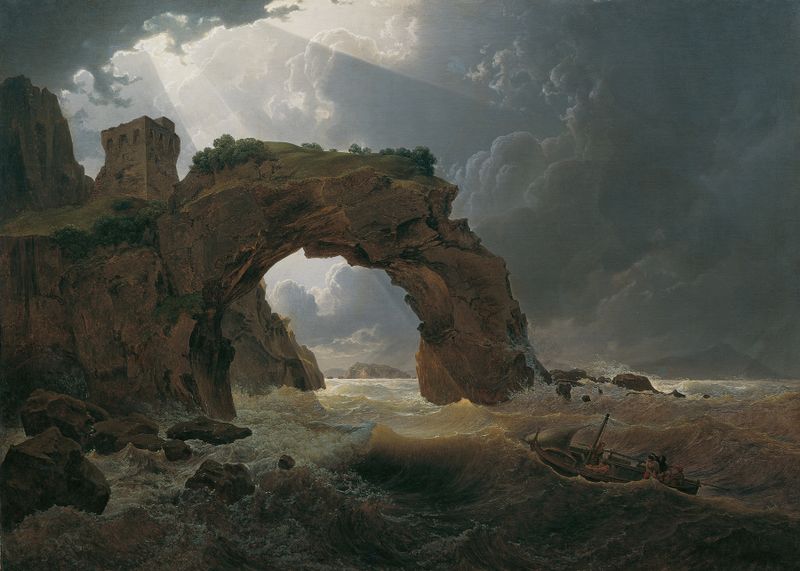
Meeressturm beim Arco di Miseno bei Miliscola mit Blick gegen Nisida
Joseph Rebell
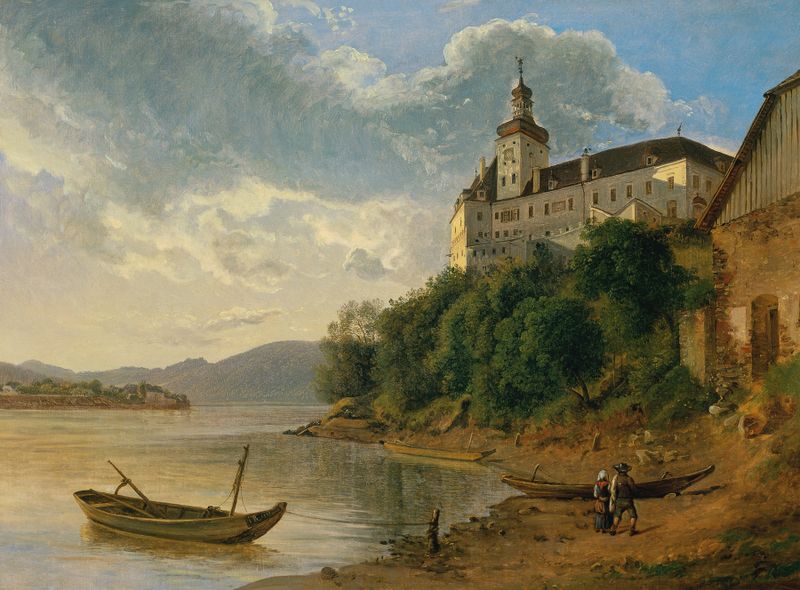
Schloss Persenbeug
Joseph Rebell
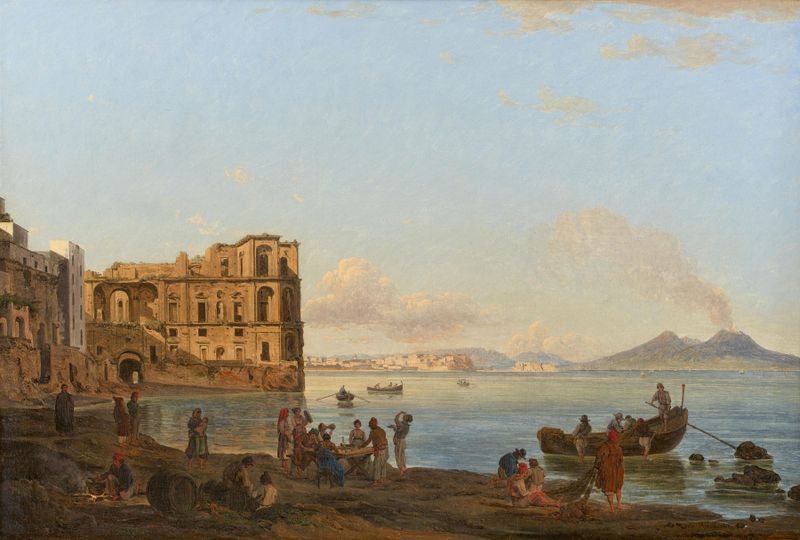
Die Bucht von Neapel mit dem Palazzo Donna Anna
Joseph Rebell
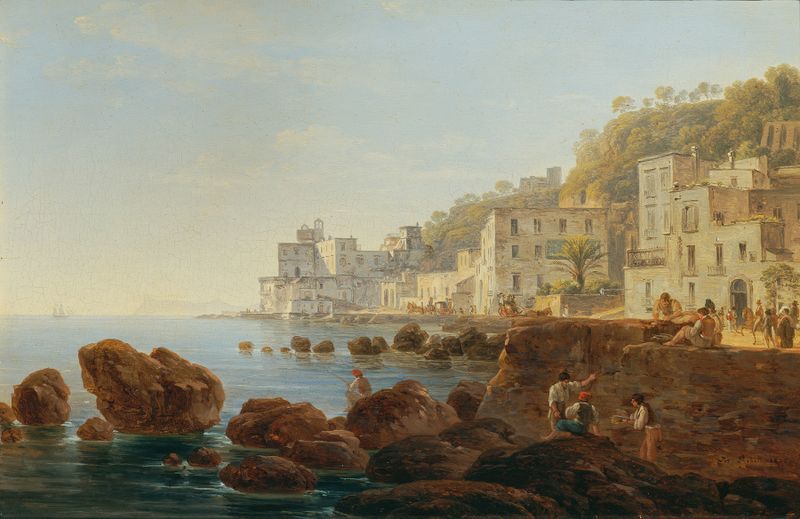
An der Mergellina bei Neapel
Joseph Rebell
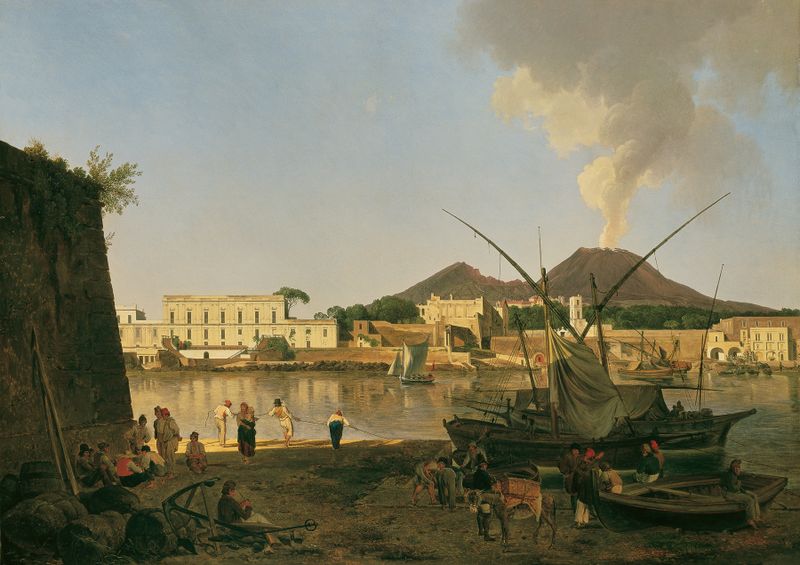
Der Hafen Granatella bei Portici mit dem Vesuv im Hintergrund
Joseph Rebell
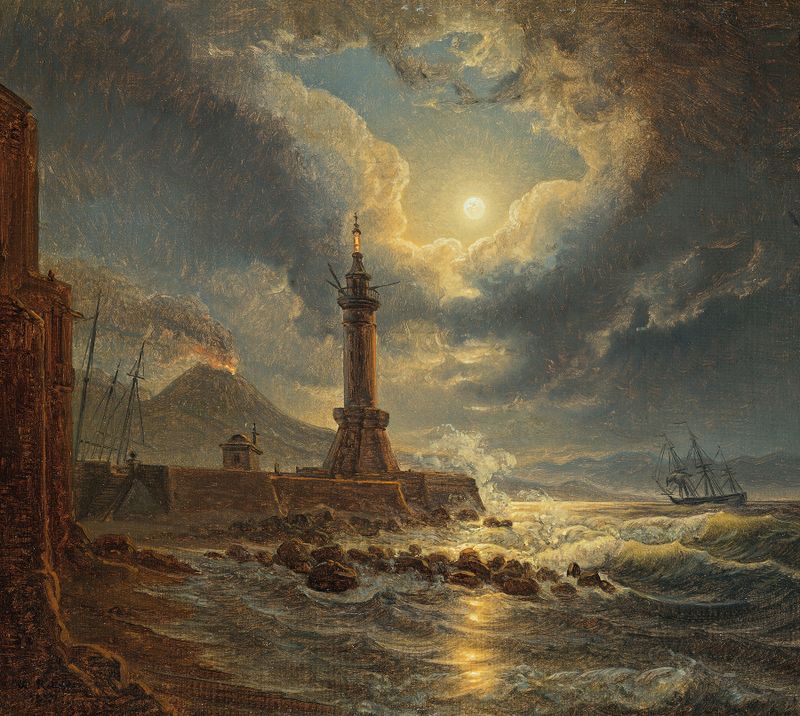
Leuchtturm im Hafen von Neapel bei Mondschein
Joseph Rebell
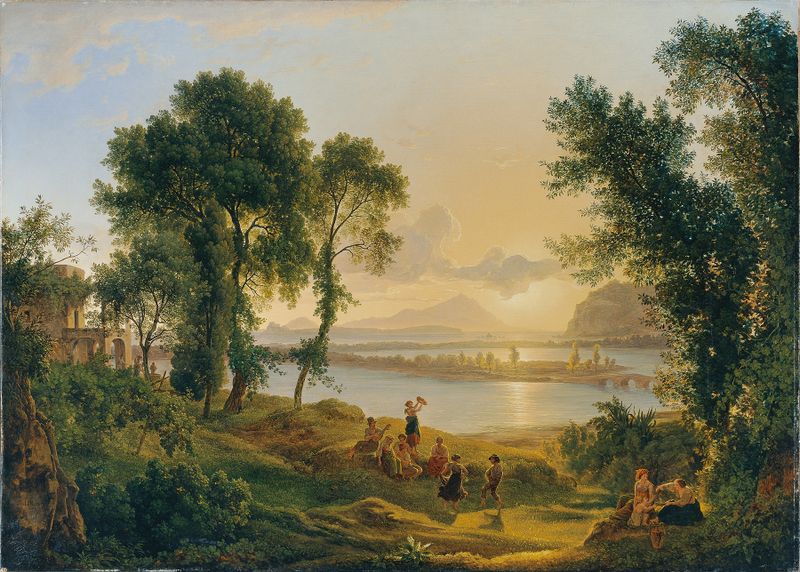
Sonnenuntergang über den Campi Flegrei gegen die Inseln Procida und Ischia Sonnenuntergang über den Campi Elisi gegen die Insel Ischia
Joseph Rebell





