Le Caire, Brume, Poussiere Et Fumees Du Soir — History & Facts
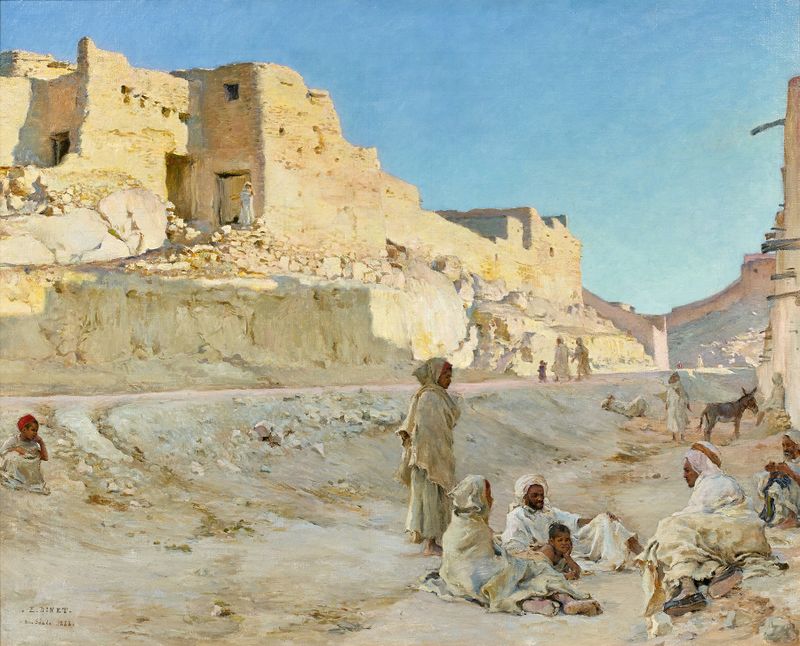
What secret hides in the quiet of the canvas? In a world where beauty often masks profound depth, the gentle interplay of light and shadow invites us to explore the layers of existence. Look to the horizon, where a subtle mist envelops the landscape, rendering the architecture a mere whisper against the dusk. The soft, muted palette of ochres and blues creates a dreamlike atmosphere, while delicate brush strokes suggest movement in the air, hinting at the vibrancy of life. Notice how the light diffuses, casting a tranquil glow on the scene, blurring the line between reality and illusion, creating a serene yet haunting vision of an evening in Cairo. Beneath the surface, this artwork reveals a deeper narrative.
The smoke rising from the city hints at the industrious spirit of the people, while the encroaching dusk symbolizes the passage of time. Together, these elements evoke a sense of nostalgia and contemplation, reflecting the tension between progress and tradition in a rapidly changing world. Each layer invites the viewer to ponder the stories held within the quiet streets and the fading daylight. In the early years of the 20th century, Étienne Dinet was immersed in the rich culture of North Africa, capturing its essence through his canvases.
During this time, artistic movements were shifting, moving towards the exploration of light and color, as seen in Impressionism. Dinet's works reflect his personal connection to the region, infused with a longing for a sense of belonging in a landscape that felt both foreign and familiar.