Le Canigou en hiver — History & Facts
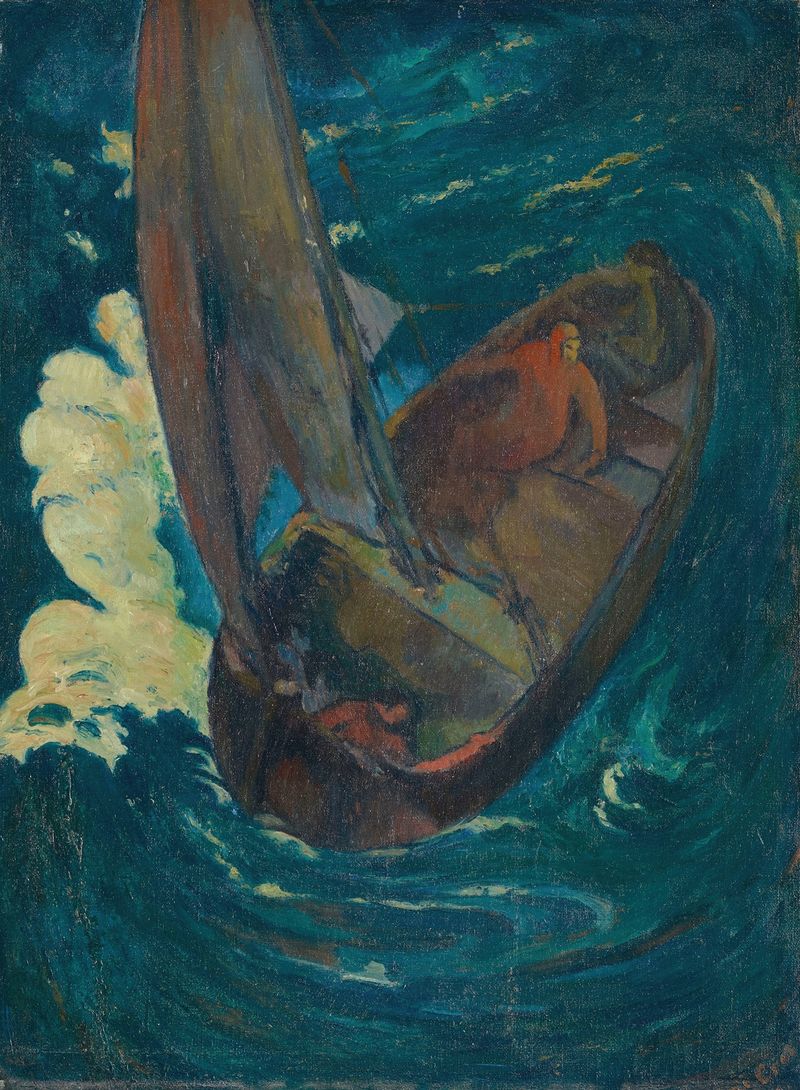
In winter's embrace, nature unveils its ecstasy, revealing layers of emotion hidden beneath the serene surface. The crisp air and soft whispers of falling snow invite a depth of reflection that transcends the mere visual experience. Look to the left at the majestic peaks of Le Canigou, their rugged heights cloaked in a pristine blanket of white. The interplay of light and shadow crafts a dynamic tapestry, where the sun’s glint illuminates the icy slopes, inviting you to trace the contours of the mountains.
The artist’s brushwork captures not just the physical form, but the spiritual essence of the landscape, with hues of blue and white harmonizing to evoke a sense of calm and wonder. Within the vastness of this winter scene, contrasts emerge. The stark chill of the snow juxtaposes the warmth of the distant sun, suggesting a duality of experience—comfort amidst cold, solace within solitude. The untouched snow signals purity and potential, while the looming mountains remind us of the weight of nature’s grandeur and the human spirit’s smallness in its presence.
Here, stillness is alive, echoing the quiet ecstasy of existence. In 1921, during a transformative period in post-impressionist France, Georges Daniel de Monfreid was navigating his artistic journey, drawing inspiration from the landscapes surrounding him. Living in the south of France, he fused observation with personal expression, reflecting the tumultuous yet vibrant world of art after the Great War. The painting encapsulates the artist's search for beauty and meaning against the backdrop of a changing world, offering viewers a moment to pause and breathe in the snowy silence.