Le Champ-de-Mars, après l’Exposition de 1878 — History & Facts
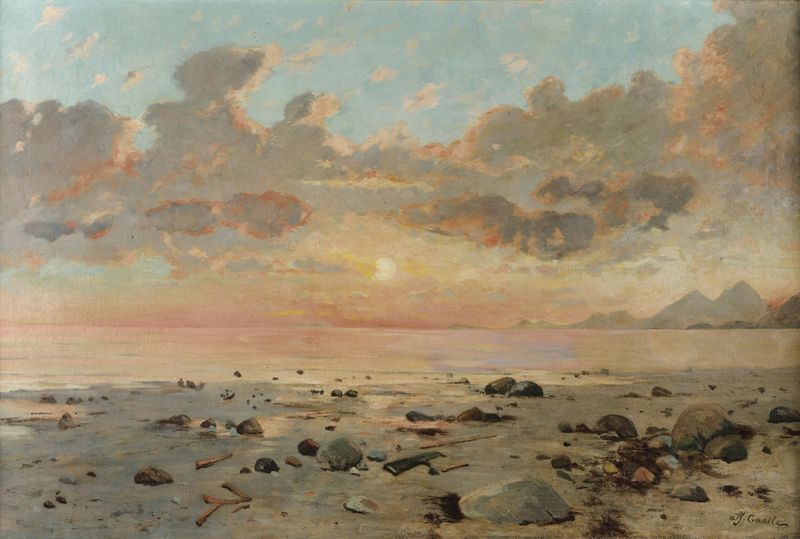
What if silence could speak through light? In Le Champ-de-Mars, après l’Exposition de 1878, the muted glow of a dawning day whispers of loss and nostalgia, capturing a moment that lingers in the air like an unspoken farewell. Look to the left, where the soft pastel hues of dawn gradually illuminate the empty expanse of the Champ-de-Mars. The gentle strokes of the artist's brush create a sense of stillness, as if time itself has paused. Notice how the light dances over the remnants of the exposition—faded structures and scattered remnants that evoke both beauty and desolation.
The palette of delicate blues and warm golds invites contemplation, allowing the viewer to feel the weight of absence. Within the expansive scene lies a poignant tension: the juxtaposition of vibrant past events and the echoing solitude of the present. The empty space serves as a canvas for memories, embodying the collective grief of a city once alive with excitement now left in silence. The crumbling architecture serves not merely as a backdrop but as a testament to the fleeting nature of human endeavors, reflecting on the impermanence of both celebration and sorrow. In 1882, Alfred Casile painted this work during a period marked by reflections on urban transformation and artistic expression in post-Expo Paris.
The world was grappling with rapid modernization and societal changes, while artists sought to capture these transitions. Casile's choice of subject reveals a deep engagement with contemporary life, as he navigated the intersection of beauty and melancholy in the wake of the grand exposition, immortalizing a moment that whispers of what was and what remains.