
Le Chevet De Notre Dame — History & Facts
Could a single brushstroke hold eternity? In Le Chevet De Notre Dame, a delicate interplay of color and light captures the ephemeral beauty of a moment, inviting contemplation of the fragile nature of existence. Focus on the luminous sky, painted in soft hues of lavender and gold, where light spills over the iconic silhouette of Notre Dame. As your gaze travels downward, notice the gentle reflections in the Seine, blending the structure and its surroundings into a harmonious tableau. The use of loose, fluid brushstrokes imparts a sense of movement, as if the scene itself breathes with life, while the muted palette hints at a world that is simultaneously vibrant yet transient. Amidst the serenity, there lies a tension between permanence and impermanence.
The steadfastness of the cathedral contrasts with the rippling water below, symbolizing the passage of time and the fragility of human endeavors. Each brushstroke evokes a moment that could be lost in memory, yet preserved through art, urging viewers to reflect on their own fleeting experiences in the face of history. In 1900, the artist created this piece while immersed in the Impressionist movement, which emphasized capturing light and atmosphere over strict representation. During this period, Lebourg was exploring the effects of weather and time on architectural forms, embodying a broader shift towards modernity in the art world.
This work reflects not only his personal exploration but also the collective desire to portray the transient beauty found in everyday life.
More Artworks by Albert Lebourg
Browse all →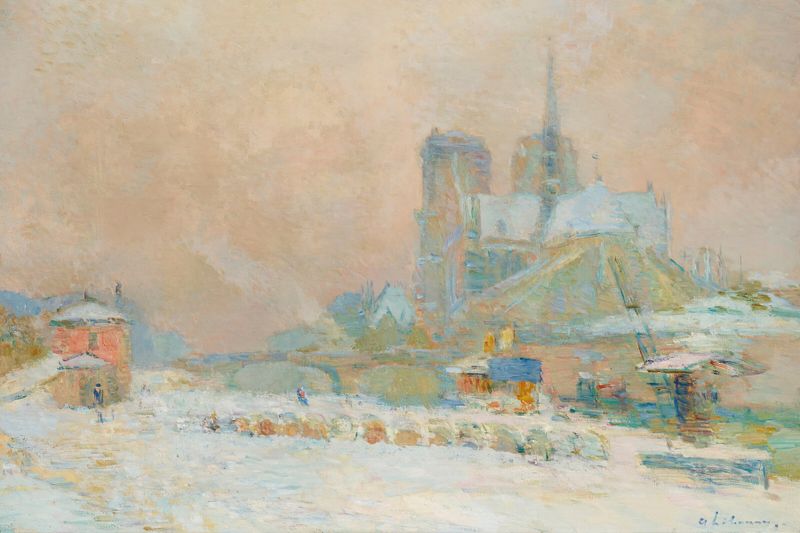
Notre Dame de Paris, vue du Quai de la Tournelle, effet de neige
Albert Lebourg
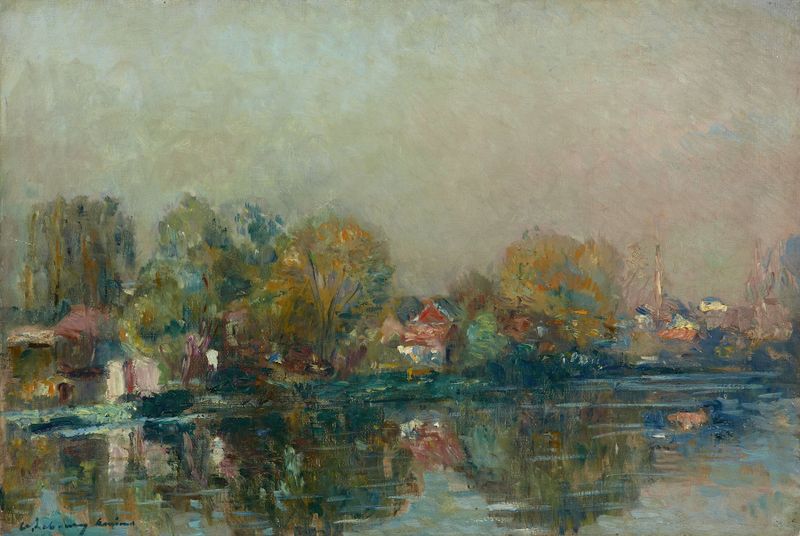
Amiens, bords de rivière
Albert Lebourg
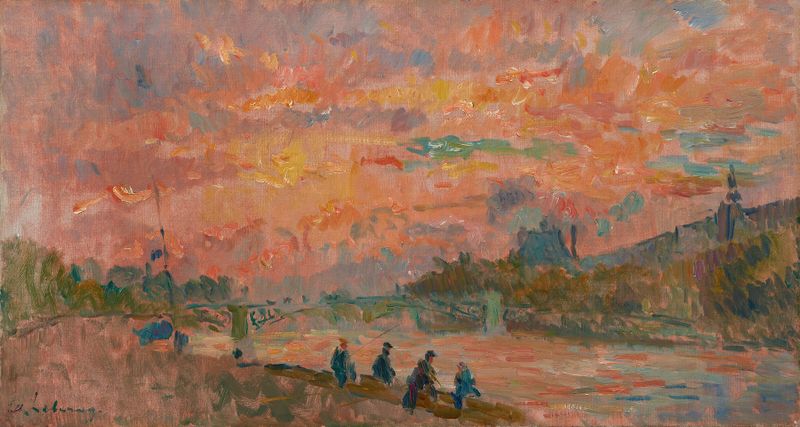
Coucher de soleil sur la Seine, à Paris
Albert Lebourg
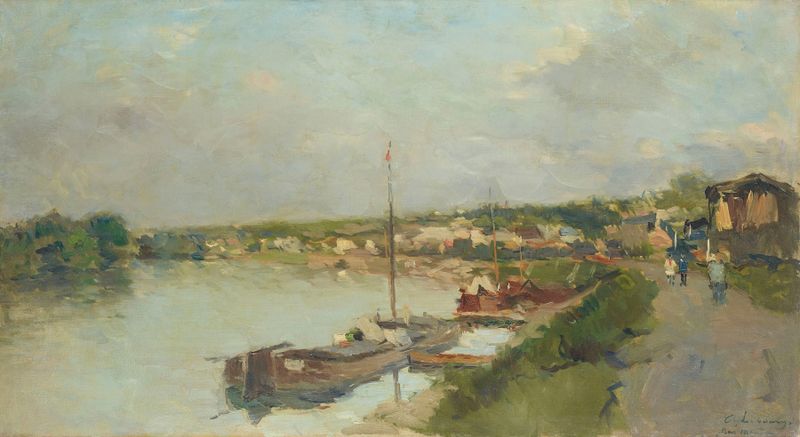
La Seine au Bas-Meudon
Albert Lebourg
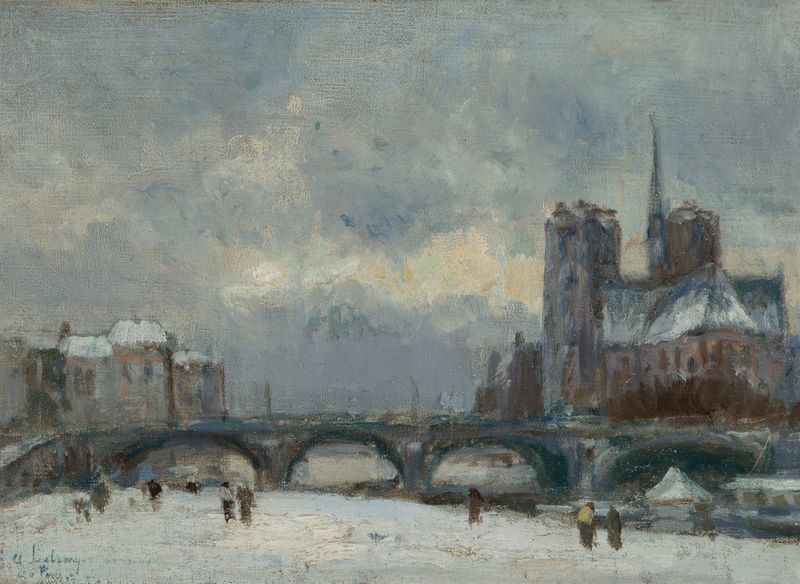
Paris, Notre-Dame, neige
Albert Lebourg
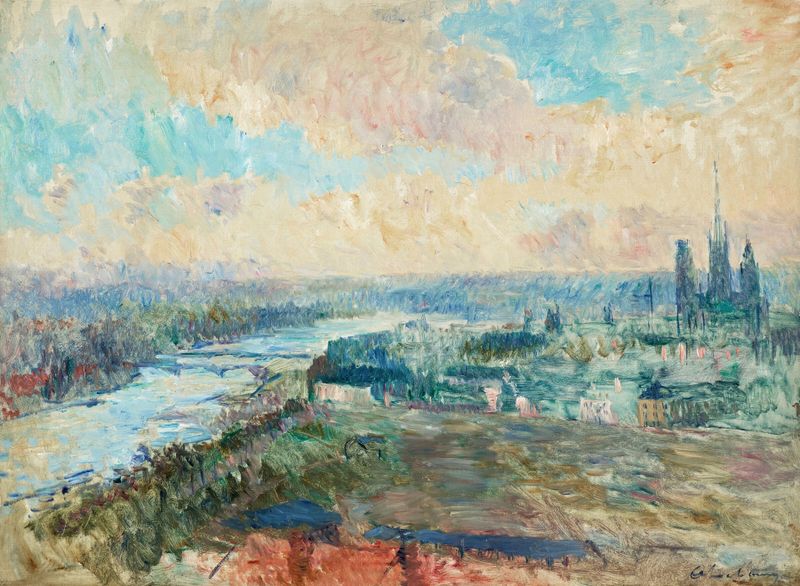
La Seine à Rouen
Albert Lebourg
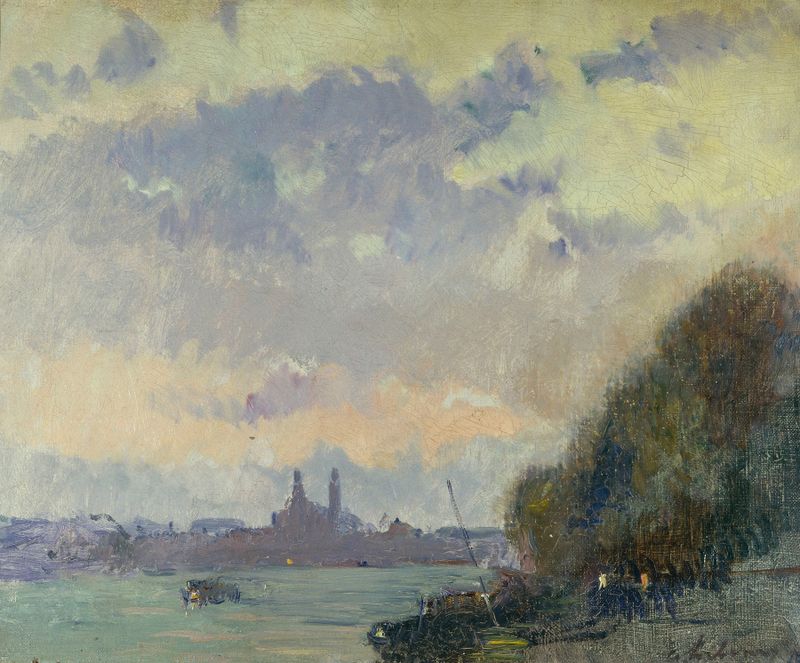
La Seine et l’ancien Trocadéro
Albert Lebourg
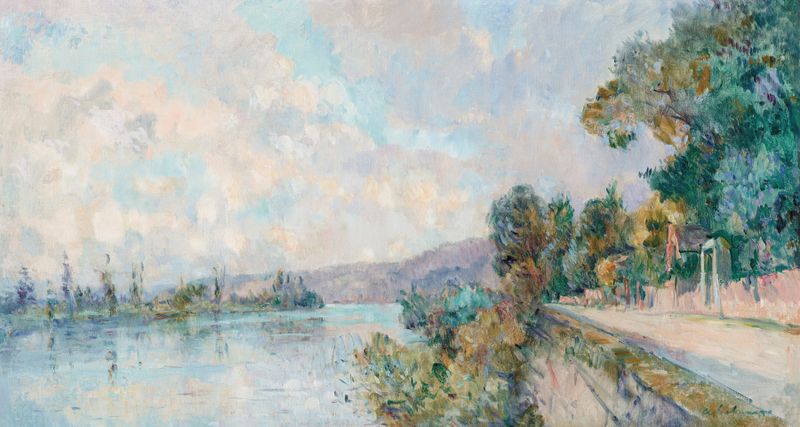
La Seine et les coteaux de Dieppedalle, vue prise de Croisset, près Rouen
Albert Lebourg
Le Pont de la Tournelle et le quai de Béthune
Albert Lebourg
Moulin En Normandie
Albert Lebourg





