Le Depart du Laboureur — History & Facts
In the heart of every stroke lies an emotion, a story woven into the canvas that transcends mere imagery. How does one capture the weight of grief, the fleeting nature of existence, through the lens of art? Focus on the muted palette that envelops the scene, drawing you in with its somber yet comforting shades. Notice how the delicate interplay of light and shadow creates a visual rhythm, guiding your gaze across the composition.
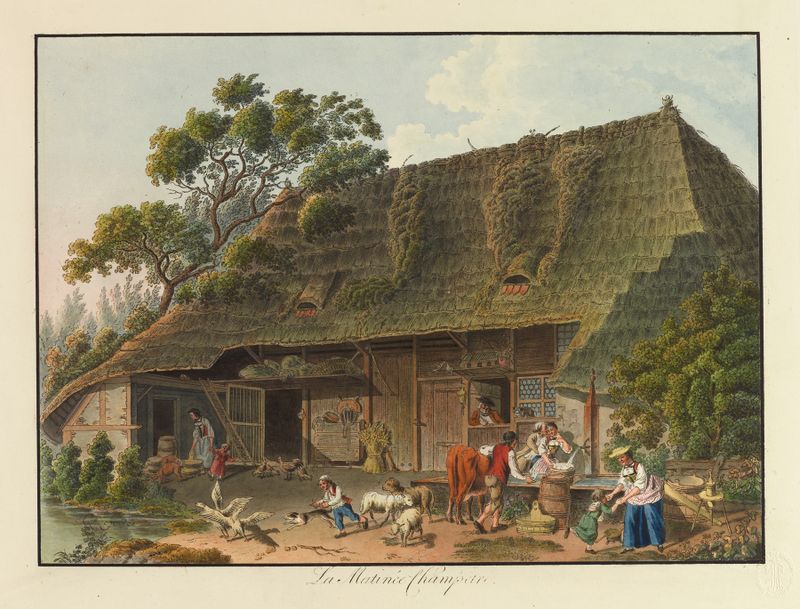
The laborer, poised at the brink of departure, emanates a palpable stillness, while the earth beneath him seems to pulse with life. Each detail, from the gentle folds of his clothing to the texture of the soil, whispers of a life steeped in toil and melancholy. In this piece, the contrast between the figure and his surroundings becomes striking. The laborer stands alone, embodying both the struggle of man and the serene beauty of the natural world.
The gentle brushwork suggests a tension between movement and stillness, echoing the emotional upheaval beneath the surface. As you take in the work, the sensation of loss hangs heavy, inviting reflection on the deeper connections we share with the land and the fleeting moments we inhabit. Created during an era when the world was ripe with change, Zehender painted this work amidst the late 19th century’s turbulent social landscape. His time was marked by a shift in artistic traditions, yet he remained devoted to capturing the essence of human experience through his depictions of rural life.
In Le Depart du Laboureur, the artist channels a profound sense of nostalgia, embedding his personal grief into the broader narrative of human resilience.