
Le Faucheur — History & Facts
In the heart of nature, where wildness reigns, harmony emerges through the delicate interplay of color and form. Look to the vibrant strokes that pulse across the canvas, guiding your eyes to the central figure, a reaper, poised in action. The saturated greens and earthy browns envelop him, inviting a dialogue between man and nature. Notice how the brushwork creates a rhythmic flow, each stroke mirroring the movement of the fields, capturing both the toil and tranquility of rural life.
The background dissolves into soft impressions, allowing the subject to command the scene with an aura of calm diligence. Beneath the surface of this pastoral tableau lies a tension between labor and serenity. The reaper, a symbol of harvesting, embodies balance amid chaos, reminding us of the cyclical nature of life and death. The interplay of light and shadow evokes a sense of time's passage, while the lush colors suggest an abundance that teeters on the brink of bounty and exhaustion.
Each element works in concert to reveal a deeper narrative—one that speaks to the universal struggle for equilibrium in an ever-turning world. Henry Moret created this work during the late 19th century, a period marked by the rise of Impressionism in his native France. At the time, he was exploring the nuances of rural landscapes, aiming to capture the essence of life in the countryside. As the art world shifted towards abstraction and expression, Moret remained devoted to the impressionistic portrayal of his environment, grounding his work in a deep appreciation for nature's rhythms and the human experience within it.
More Artworks by Henry Moret
Browse all →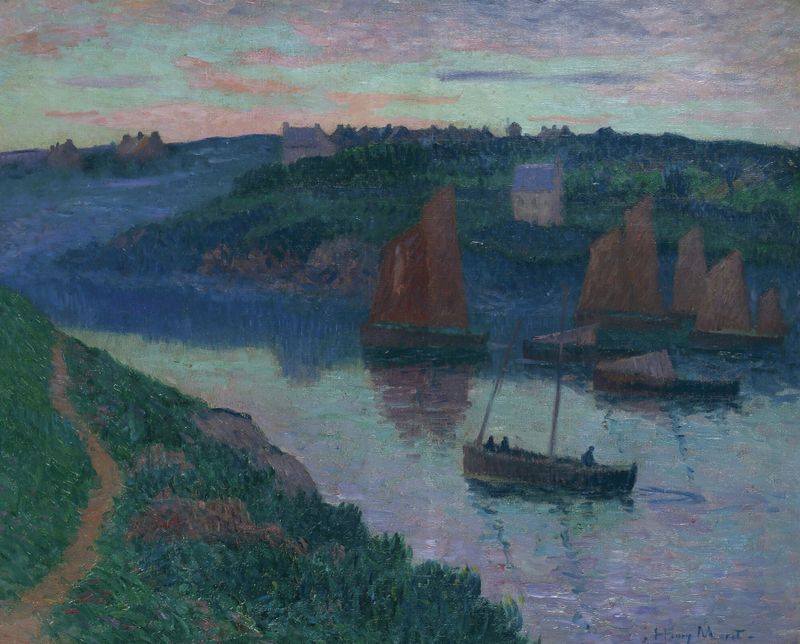
Bateaux De Pêche En Bretagne
Henry Moret
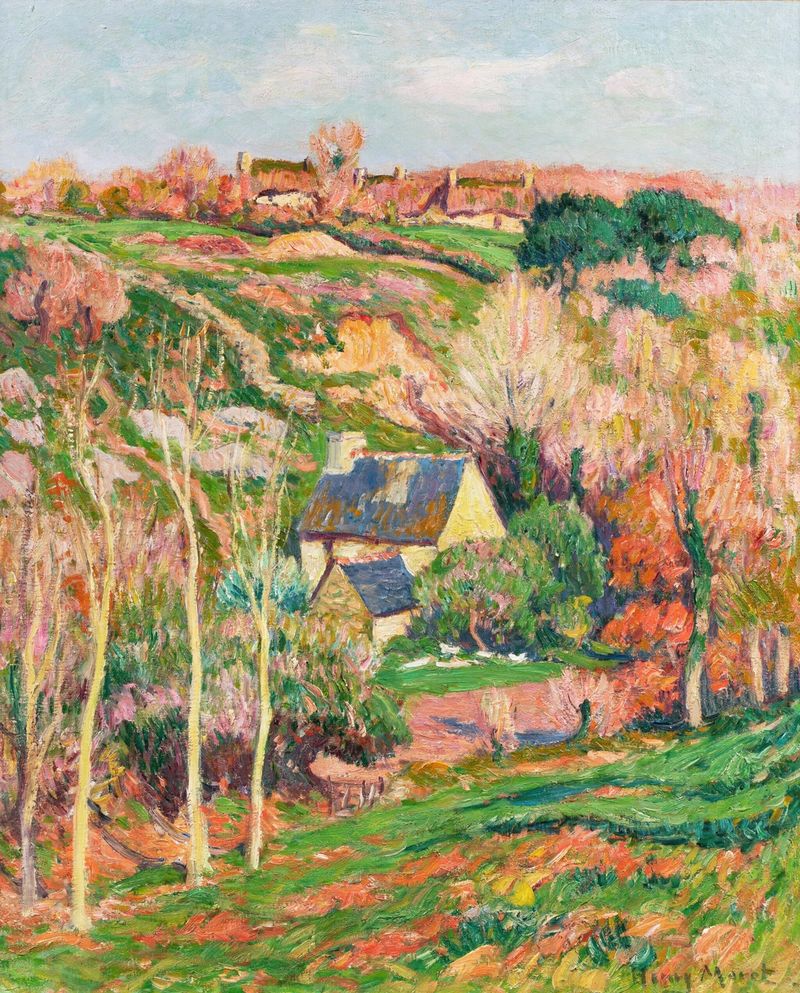
Fermes en Bretagne
Henry Moret
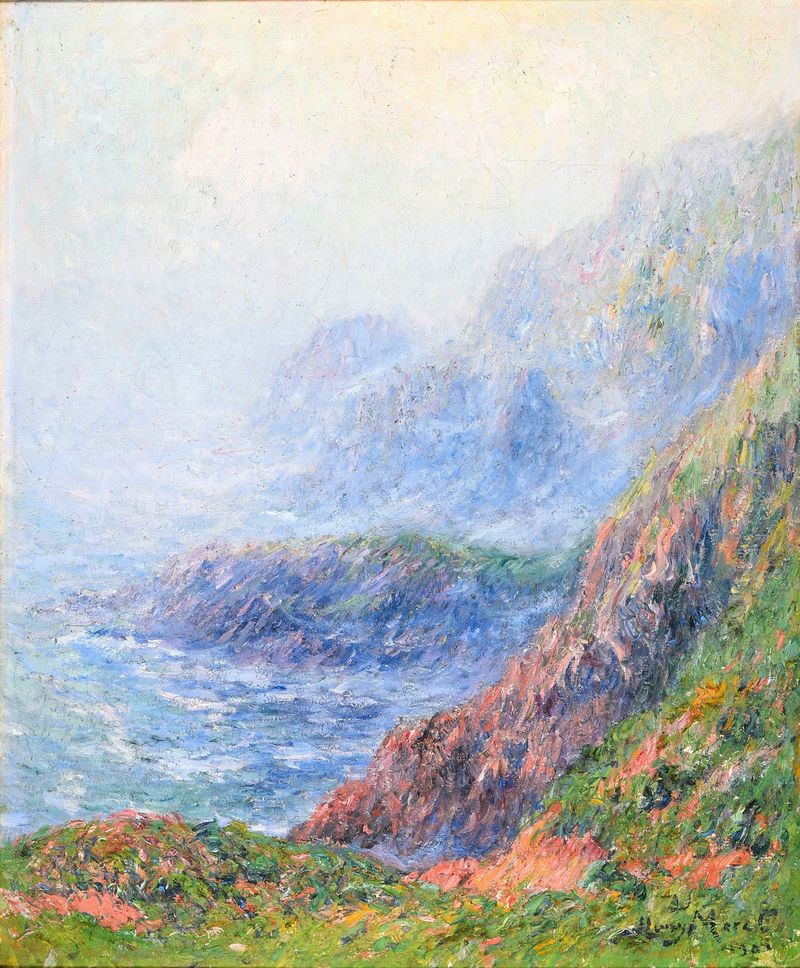
Matinée brumeuse à Ouessant
Henry Moret
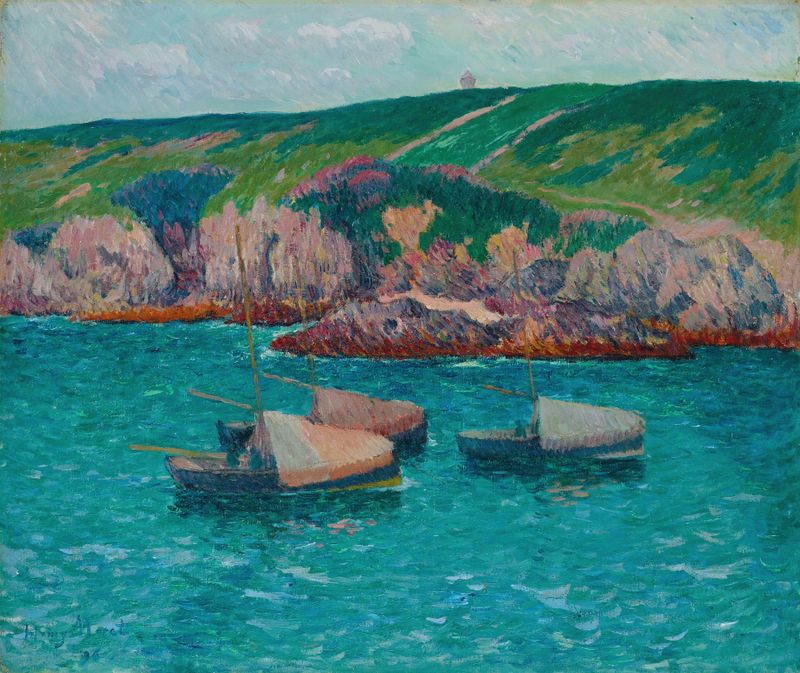
Les Barques à Doëlan
Henry Moret
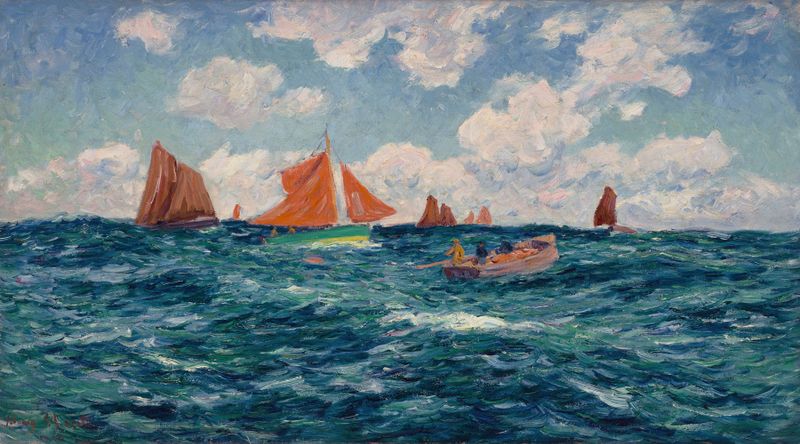
Pêcheurs au large
Henry Moret
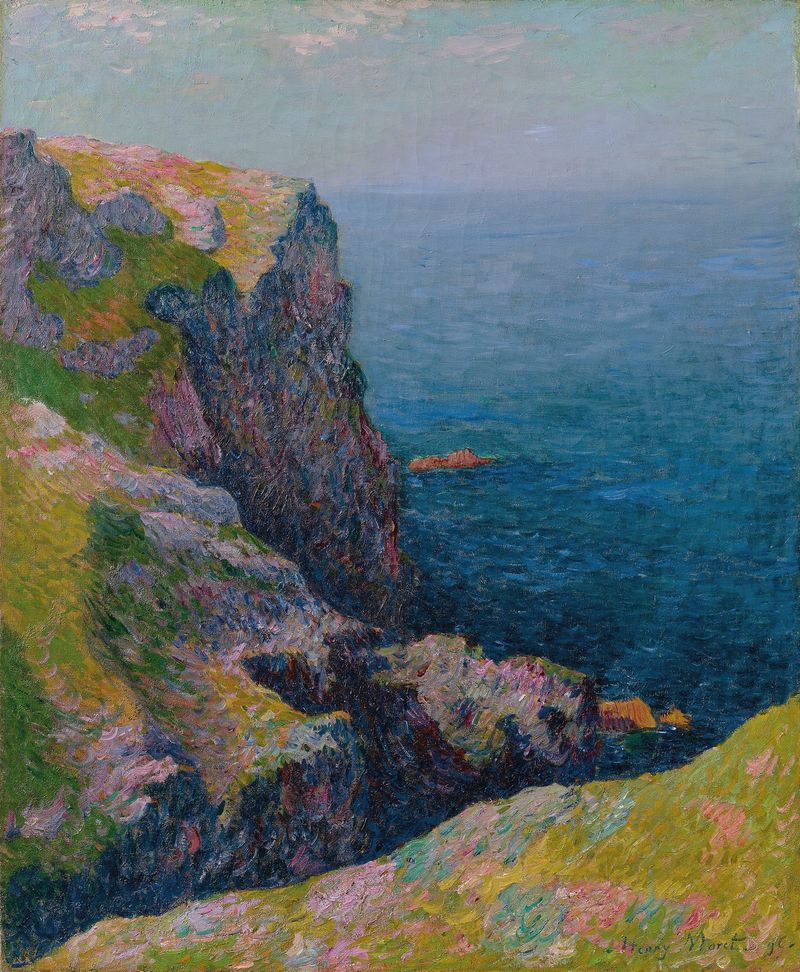
Ile de Groix, Pointe de l’Enfer
Henry Moret
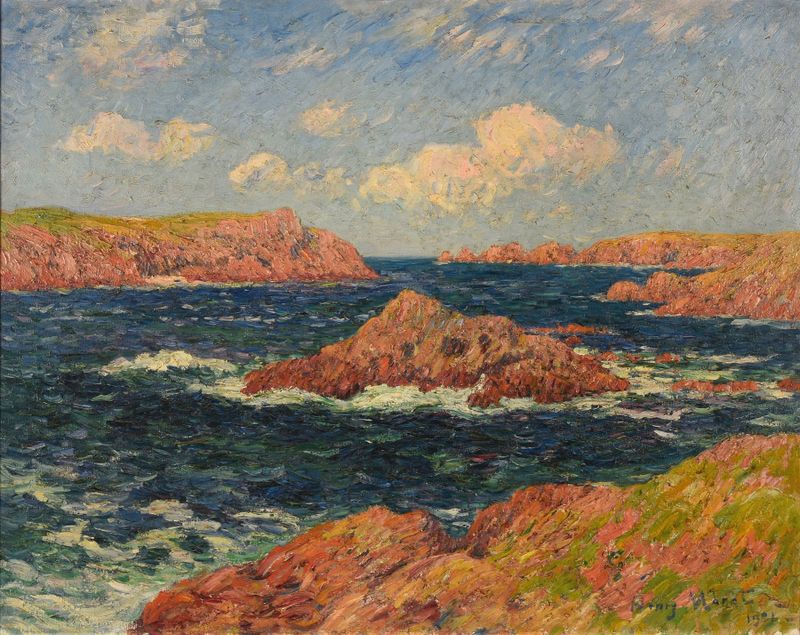
L’Ile de Kerellec (Ouessant)
Henry Moret
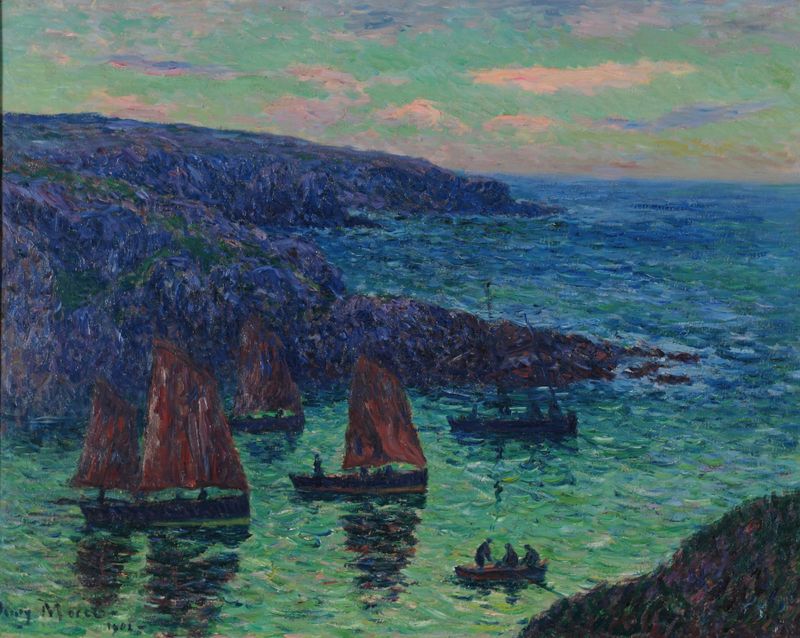
Le soir à Douëlan
Henry Moret
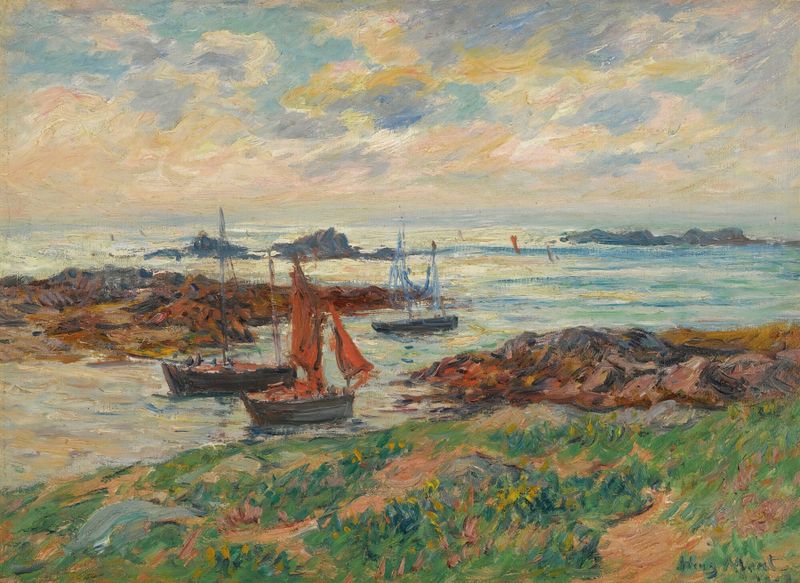
Les Glénans, Finistère
Henry Moret
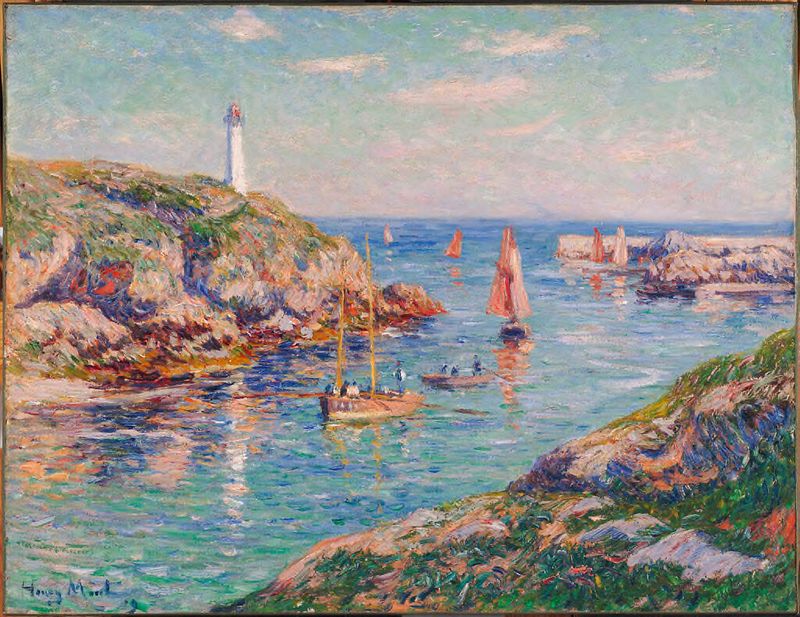
The Port of Douvelan
Henry Moret





