
Le moulin — History & Facts
Could a single brushstroke hold eternity? In Le moulin, the elegant swirls of color echo a deep sense of loss, capturing the fleeting beauty of a moment forever suspended in paint. Focus first on the serene interplay of blues and greens, where the windmill stands tall against a backdrop of soft, dappled light. The artist's mastery of light and shadow draws your gaze, leading you to the gentle curves of the water beneath it. Notice how the brushwork captures the movement of the breeze, creating an almost palpable rhythm in the scene while inviting the viewer to contemplate the passage of time. Yet, beneath this tranquil facade lies an emotional tension.
The windmill, a symbol of nostalgia, stands sentinel over memories long past, each stroke whispering secrets of what once was. The contrast between the vibrancy of nature and the stillness of the structure evokes a poignant sense of longing—an eternal reminder of life's impermanence that echoes through the canvas. Henri Lebasque painted Le moulin in 1907 while residing in France, a period marked by the burgeoning of Impressionism and the artist's own exploration of color and light. At this time, he was deeply influenced by the atmosphere of the Belle Époque, a time of cultural flourishing, yet also enveloped in the prelude to tumultuous change.
Known for his idyllic landscapes and intimate portraits, this work reflects his desire to freeze a moment in time, capturing both beauty and the inevitable ache of loss.
More Artworks by Henri Lebasque
Browse all →
Sur les bords de la Marne
Henri Lebasque

Le Jardin Fleuri
Henri Lebasque

Voiliers dans le port de Saint-Tropez
Henri Lebasque
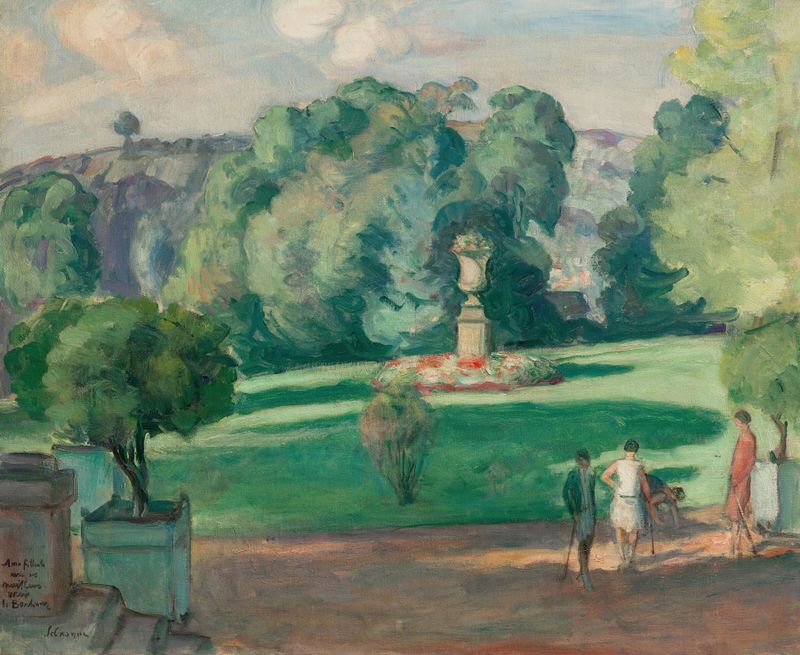
Joueurs de criket dans un parc
Henri Lebasque

Paysage de neige aux environs de Paris
Henri Lebasque
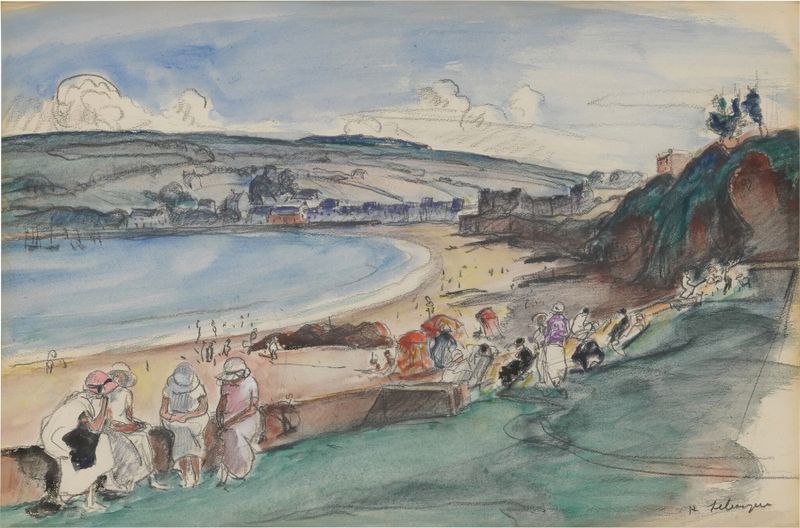
Paysage
Henri Lebasque

Jeunes Femmes Et Fillettes Dans Un Paysage
Henri Lebasque

Saint-Tropez, deux jeunes filles à la fontaine
Henri Lebasque

Le Repos sous les arbres
Henri Lebasque
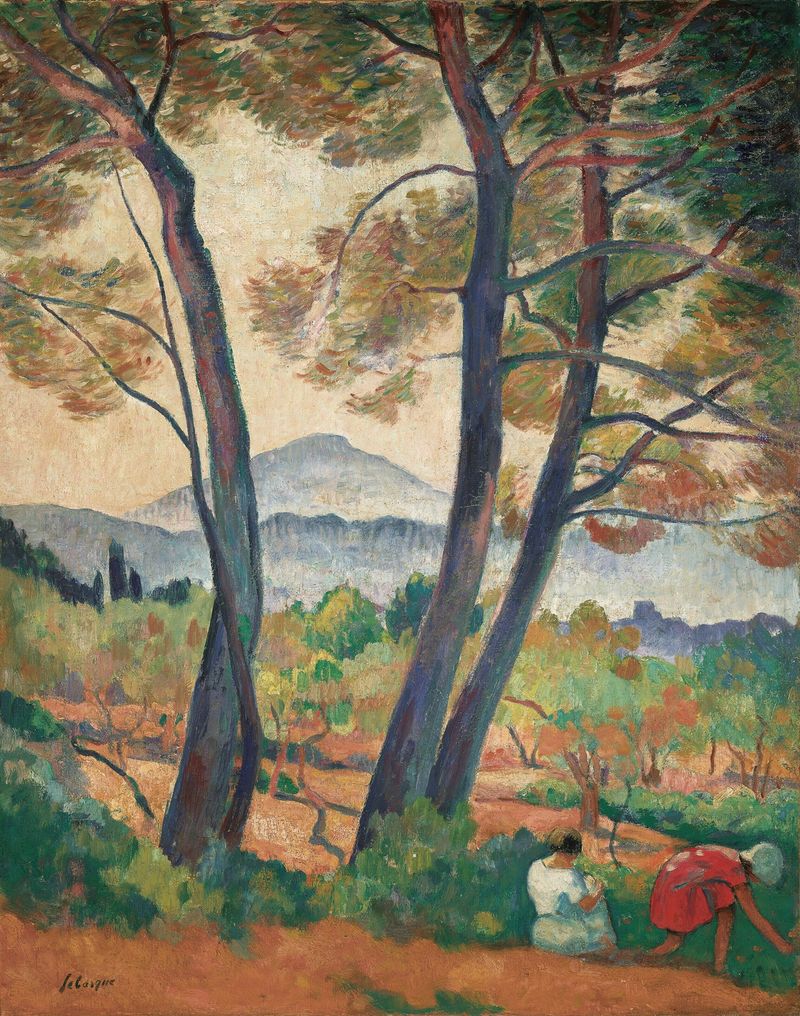
Sanary, vue sur le Cap Sicié
Henri Lebasque





