
Le square de la Mairie et l’école des garçons, Paris, XIVème arrondissement — History & Facts
When did color learn to lie? The vibrant palette before us speaks in whispers, its hues both inviting and haunting, echoing with a sense of emptiness that lingers. The scene suggests life, yet beneath its surface, a profound solitude unravels, causing one to ponder the true essence of existence. Look to the left at the sun-drenched square, where the bright oranges and yellows paint a façade of cheerfulness. The brushstrokes twist and turn, creating a rhythm that draws the eye toward the quaint school building, its windows poised as if watching the world pass by.
The meticulous arrangement of trees flanking the square adds depth, their leafy canopies casting gentle shadows that hint at a tranquil yet desolate afternoon. As you explore the painting, consider the contrast between the lively colors and the palpable stillness. The absence of figures, a deliberate choice, invokes a sense of yearning, suggesting the echoes of laughter and chatter that have long since faded. This interplay between vibrancy and void reveals the artist's commentary on the fleeting nature of joy and the solitude that often accompanies it.
The intricate details, from the textured bark of the trees to the delicate outlines of the architecture, serve as silent witnesses to the layered emotions of the scene. In 1917, Félix Brard painted this work during a tumultuous period marked by the shadows of World War I. Residing in Paris, he was deeply influenced by the shifting dynamics of society and the emerging modernist movements. This piece reflects not just a moment in time, but also an introspective exploration of the human experience amidst chaos, capturing the essence of a city grappling with loss and longing.
More Artworks by Félix Brard
Browse all →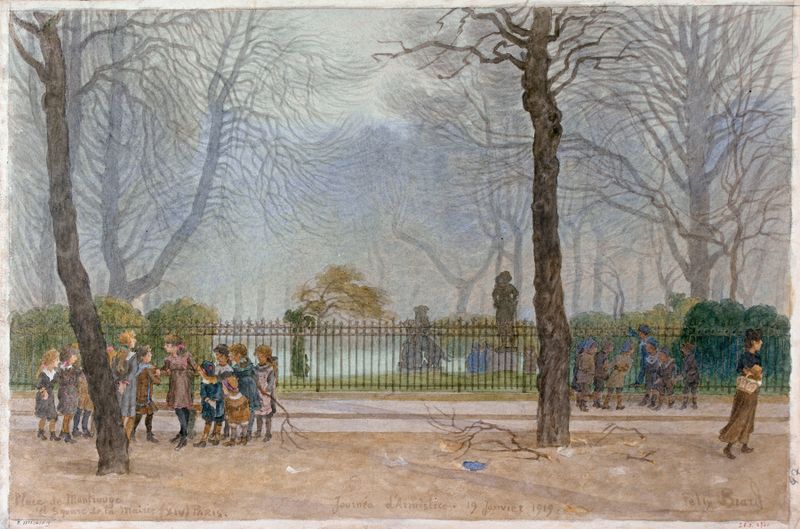
Place de Montrouge et Square de la Mairie (XIV) Paris.
Félix Brard
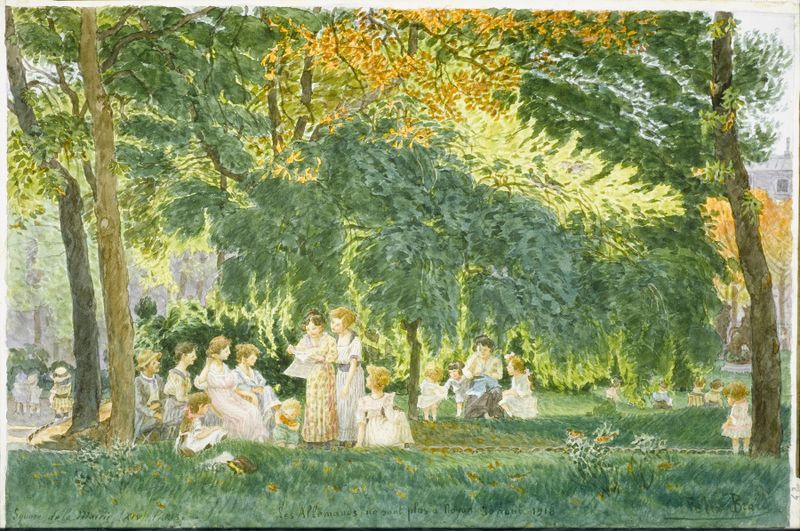
Square de la Mairie (XIV) Paris
Félix Brard
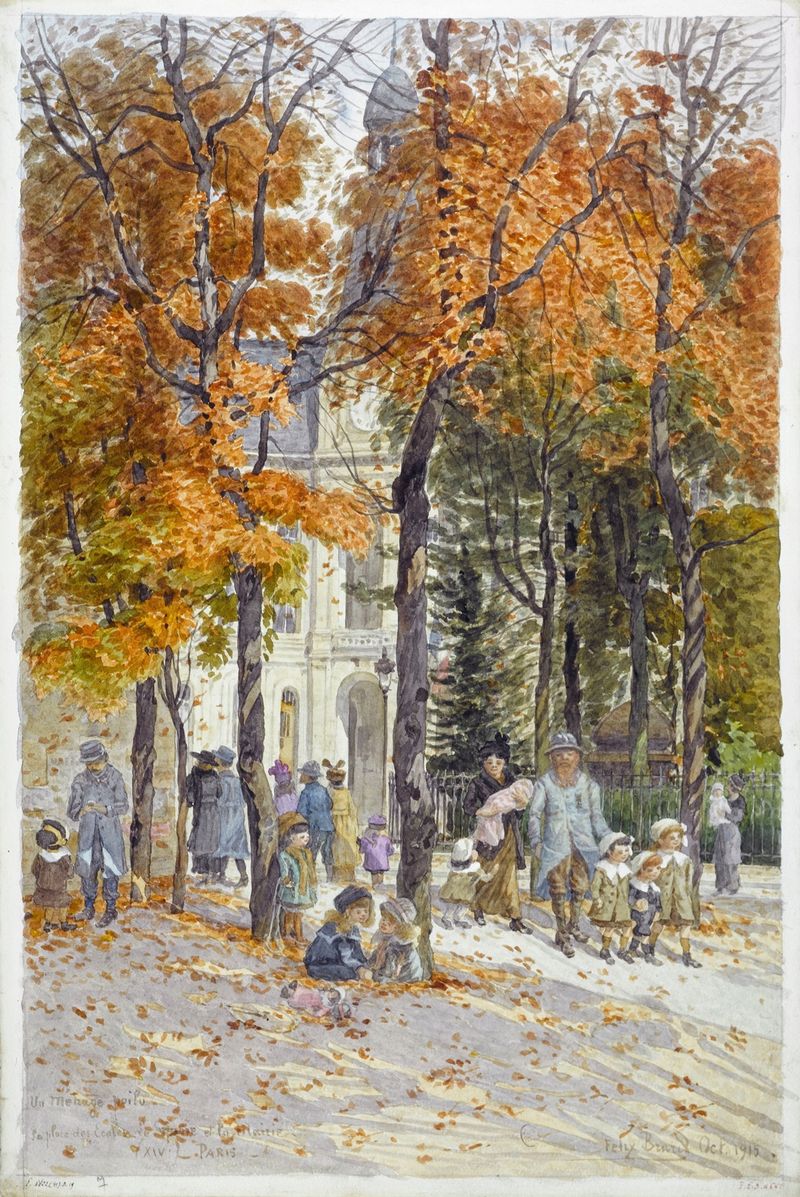
La place des Ecoles et le square de la Mairie du XIVème arrondissement
Félix Brard
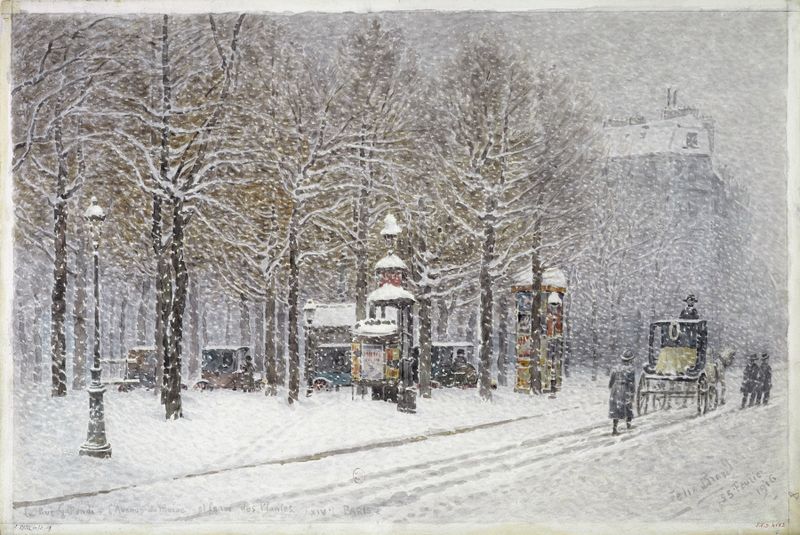
La rue Gassendi, l’avenue du Maine et la rue des Palntes sous la neige en Février 1916
Félix Brard
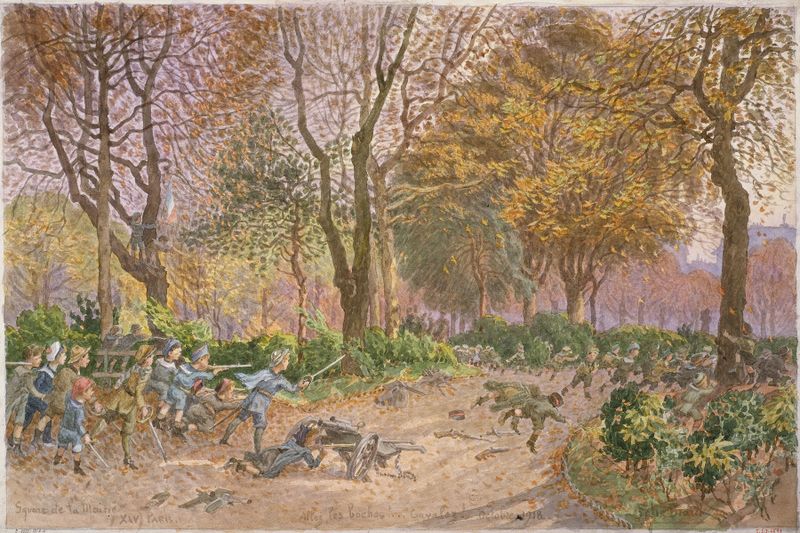
Enfants jouant à la guerre dans le square de la mairie du 14ème arrondissement
Félix Brard
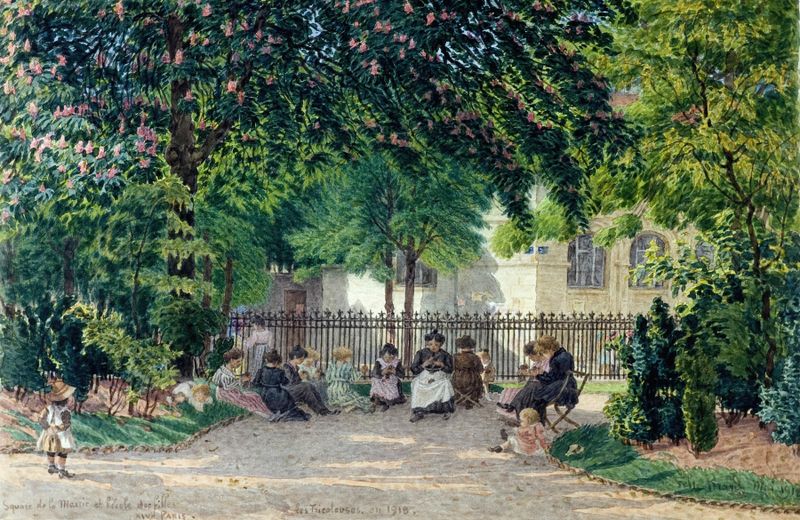
Tricoteuses au square de la mairie 14ème arrondissement en mai 1918
Félix Brard
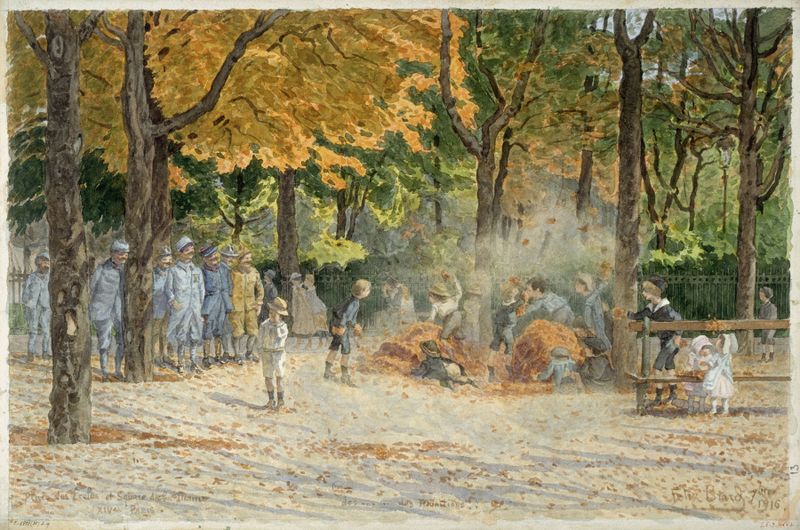
Place des Ecoles de la Mairie du XIVème arrondissement
Félix Brard

Square de la mairie du 14ème arrondissement, rue Mouton Duvernet le 4 juillet 1917
Félix Brard
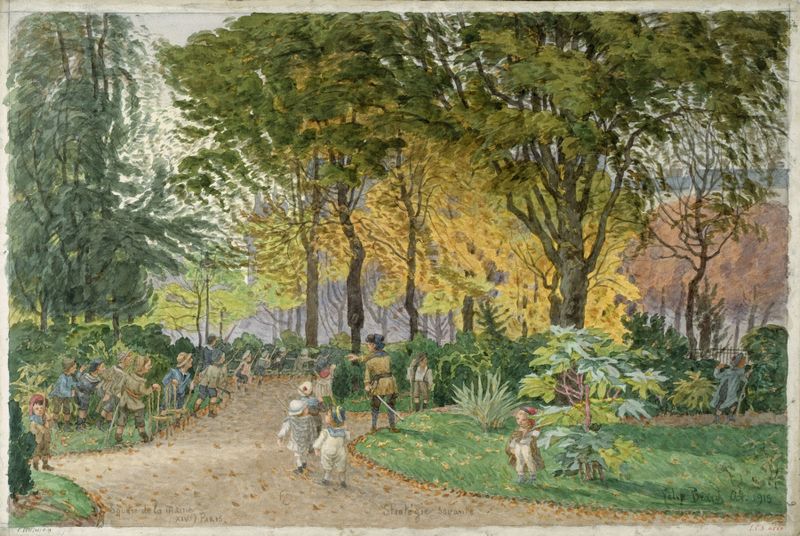
Square de la mairie du XIVème arrondissement
Félix Brard

Place de Montrouge, 14ème arrondissement de Paris, 25-29 Janvier 1918
Félix Brard





