
Le Village — History & Facts
Can beauty exist without sorrow? In Le Village, the essence of memory unfolds, blending sunlight and shadow into a quiet symphony of rural life. Look to the center of the canvas, where quaint houses with their vibrant colors meet the gentle curves of the landscape. The sunlight bathes their facades in warm yellows and reds, while fragments of deep green foliage frame the scene, inviting the eye to dance across the idyllic tableau. Notice how the brushstrokes vary — the soft, almost playful strokes capture the warmth of the day, while sharper, more deliberate lines invoke the steady presence of the earth itself.
This contrast ignites a sense of nostalgia, revealing a moment suspended in time. Amidst the vibrancy, an undercurrent of longing pulses through the work. The serene village, while alive with color, whispers of solitude; there is no sign of inhabitants or activity, evoking questions about the nature of community and isolation. The juxtaposition of brightness against stillness suggests a deeper emotional landscape, where joy and melancholy coexist.
This duality speaks to a universal experience: the fleeting nature of life's beauty often intertwined with an ache for what is lost or never fully attained. Henri Lebasque painted Le Village during the early 20th century, a period marked by a shift in artistic paradigms as Impressionism gave way to new explorations in form and color. Living in France, he was influenced by both the post-impressionist movement and the burgeoning modernism of his time. The village scenes became his hallmark, reflecting both personal memory and collective sentiment, capturing the essence of a pastoral life that felt both intimate and distant in an increasingly industrialized world.
More Artworks by Henri Lebasque
Browse all →
Sur les bords de la Marne
Henri Lebasque

Le Jardin Fleuri
Henri Lebasque

Voiliers dans le port de Saint-Tropez
Henri Lebasque
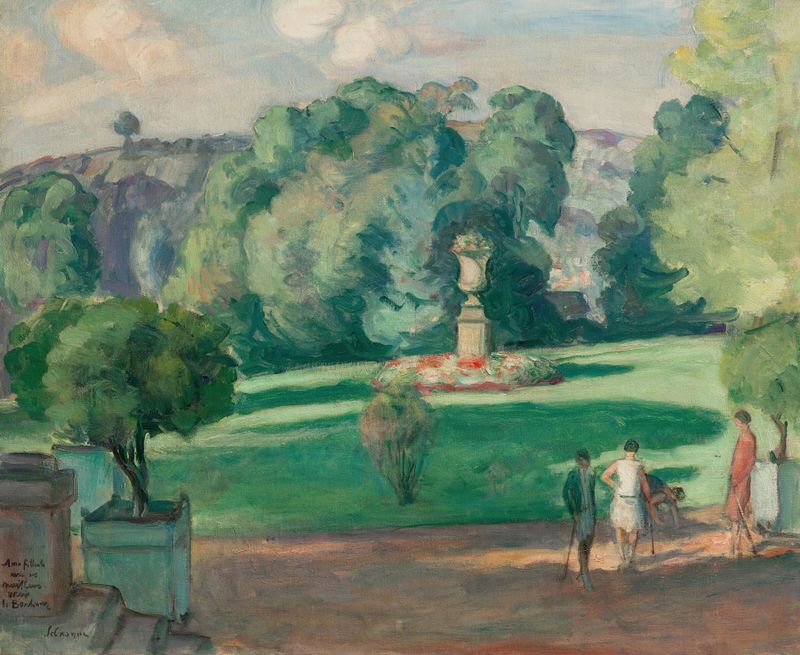
Joueurs de criket dans un parc
Henri Lebasque

Paysage de neige aux environs de Paris
Henri Lebasque
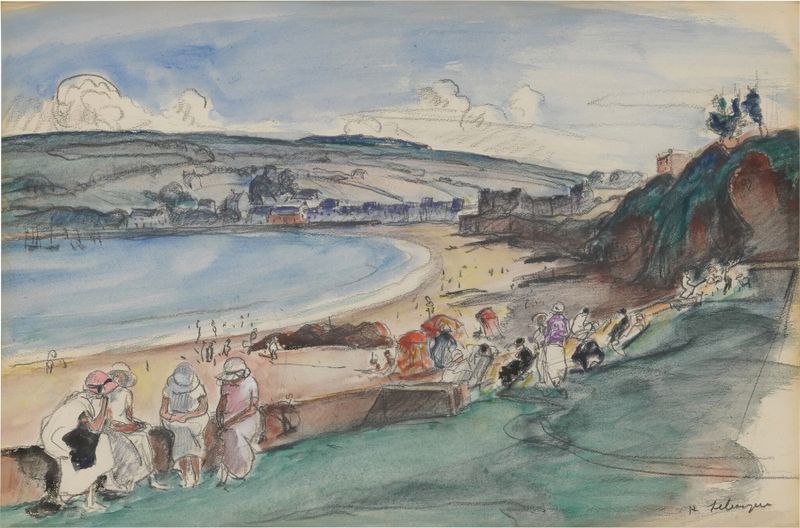
Paysage
Henri Lebasque

Jeunes Femmes Et Fillettes Dans Un Paysage
Henri Lebasque

Saint-Tropez, deux jeunes filles à la fontaine
Henri Lebasque

Le Repos sous les arbres
Henri Lebasque
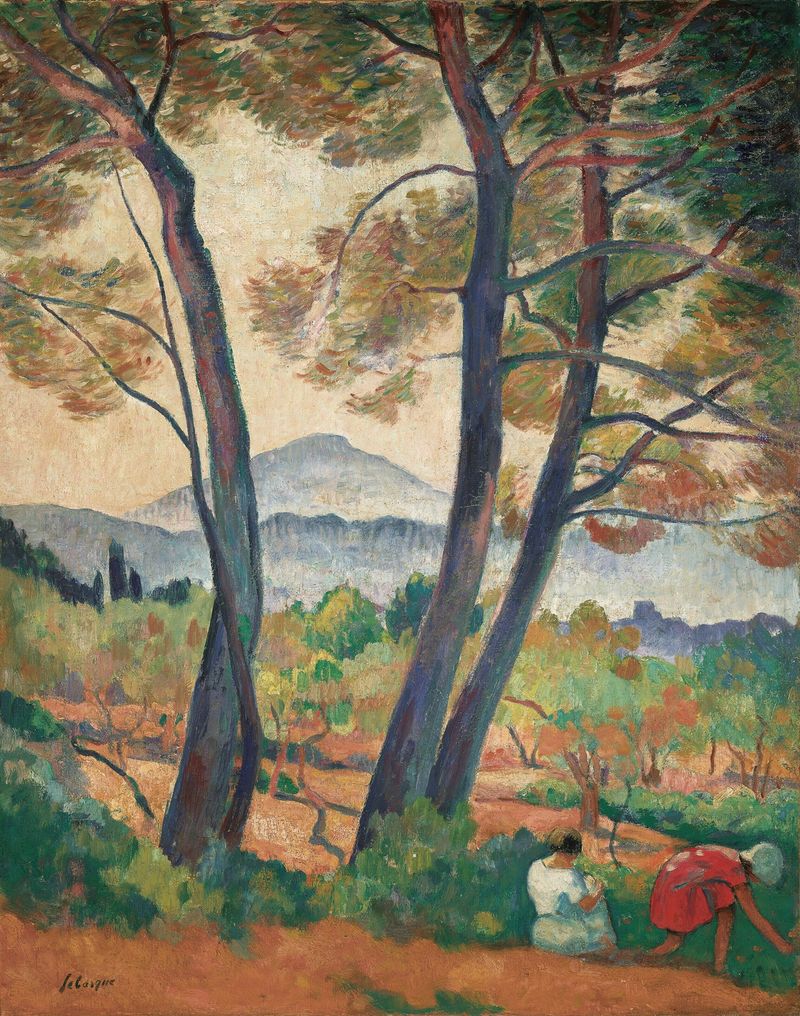
Sanary, vue sur le Cap Sicié
Henri Lebasque





