
Legends of the Yūzū Nembutsu Sect — History & Facts
In the heart of the Kamakura period, color becomes a vessel of memory and transcendence, capturing the essence of spiritual devotion. Focus on the vivid hues that envelop the figures in this work, where the deep indigo of the robes contrasts sharply with the luminous gold accents. The central composition draws the eye toward the serene faces, each expression a study in tranquility and resolve. Notice how delicate brush strokes convey movement, suggesting a gentle rhythm in the gathering of the sect, while subtle gradations in color reflect the interplay of light and shadow, instilling a sense of depth. Hidden within this scene lies a rich tapestry of meaning.
The use of color not only highlights the spiritual significance of the figures but also hints at the emotional states of the devotees. The juxtaposition of gold and blue suggests a dialogue between the sacred and the earthly, while the serene gazes of the figures invite contemplation, evoking a sense of unity amidst the transient nature of life. Each brushstroke, each color choice, works to weave a narrative of faith and remembrance. Created in the 14th century, during the ascendant years of the Kamakura period, this painting reflects a time when the teachings of the Yūzū Nembutsu sect were gaining prominence in Japan.
The unknown artist, likely immersed in a world of cultural and spiritual upheaval, sought to capture the essence of communal faith. This artwork serves as both a reflection of the era's artistic endeavors and a lasting testament to the spiritual journey of its people.
More Artworks by Unknown Artist
Browse all →
Ridder, Dood en Duivel
Unknown Artist
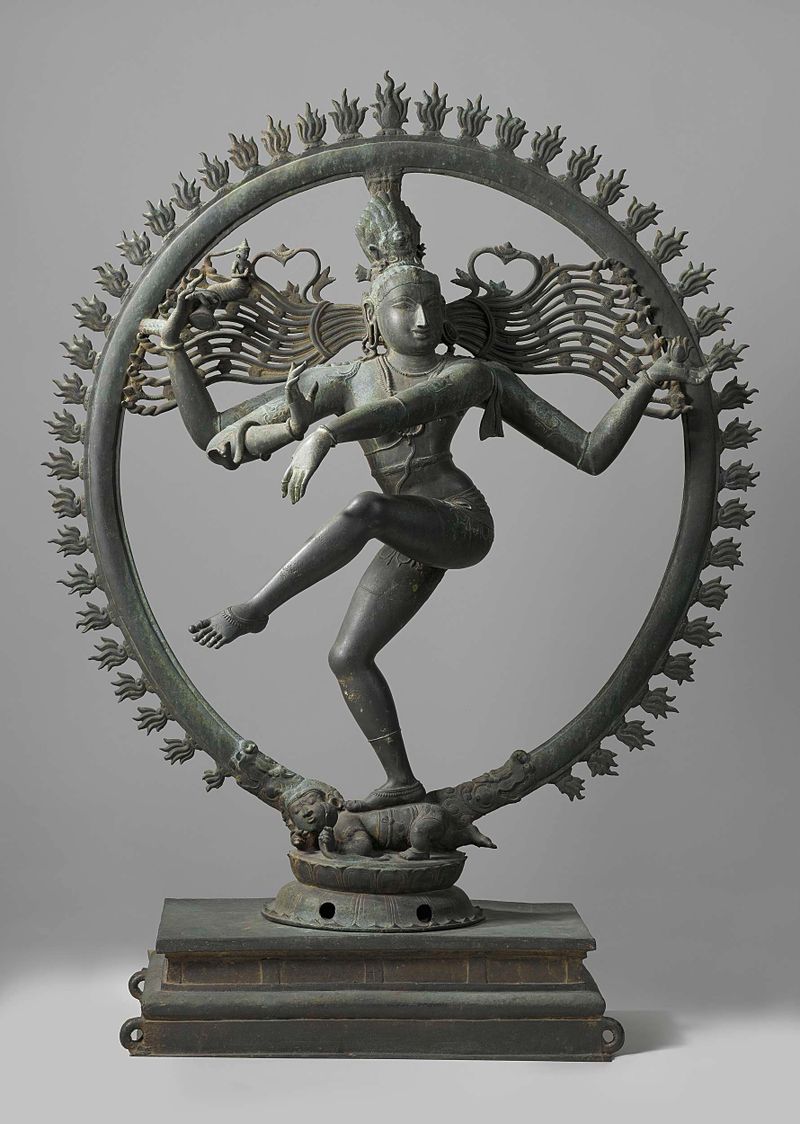
Shiva Nataraja
Unknown Artist

Portrait of Elizabeth I, Queen of England
Unknown Artist
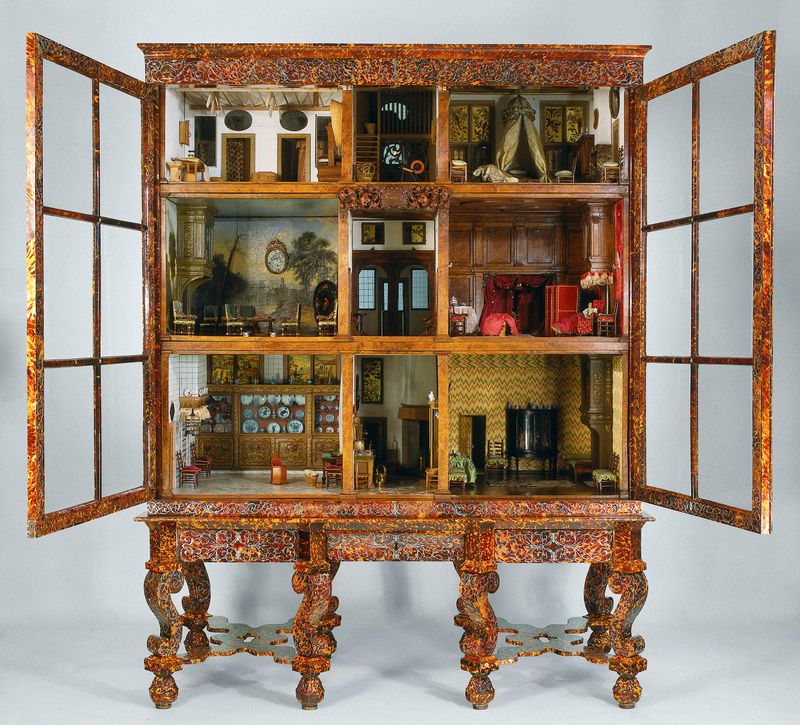
Dolls’ house of Petronella Oortman
Unknown Artist
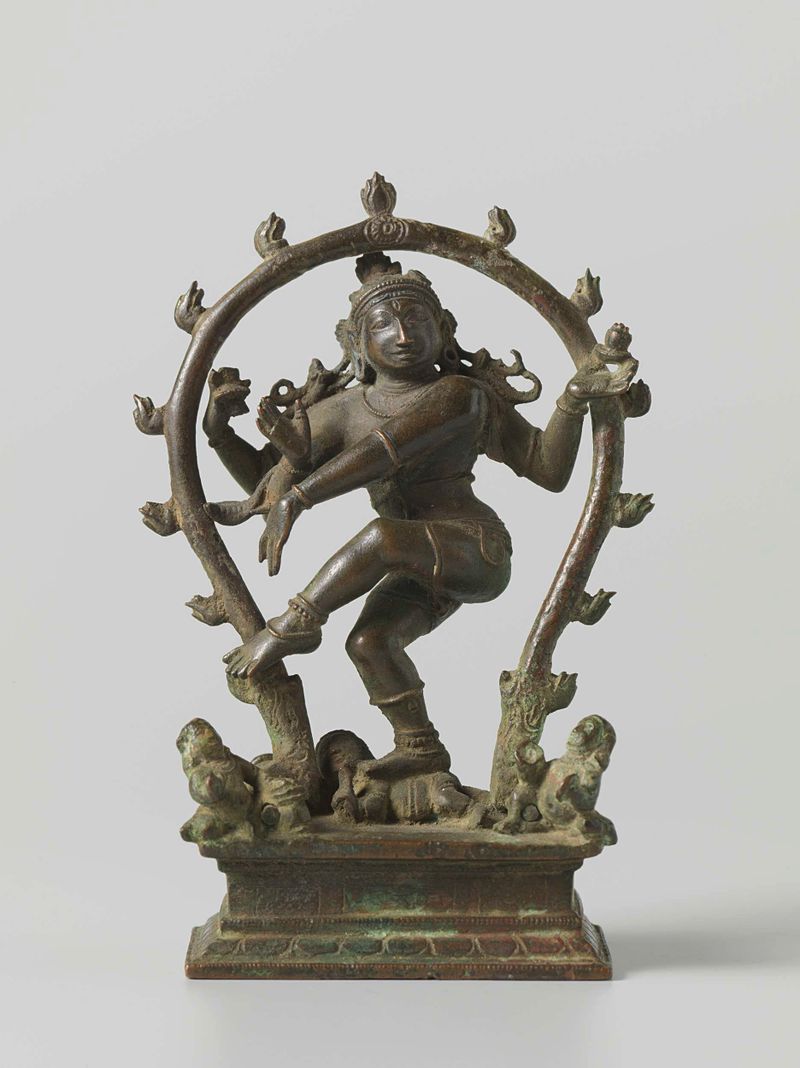
Shiva Nataraja
Unknown Artist

The Tale of Genji
Unknown Artist

The Tale of Genji
Unknown Artist

Cong
Unknown Artist
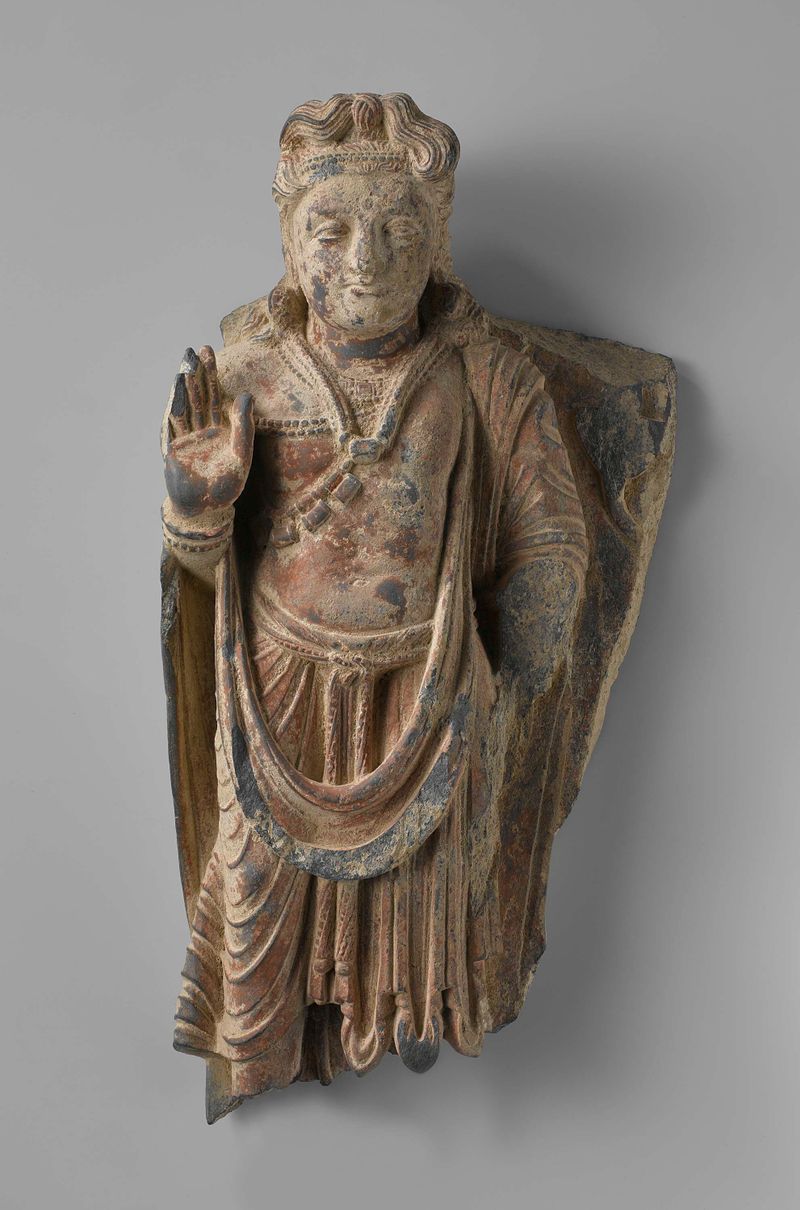
The bodhisattva Maitreya
Unknown Artist

Teabowl with a 'hare's fur' glaze
Unknown Artist
More Religious Art
Browse all →
The Return of the Prodigal Son
Rembrandt van Rijn

The Garden of Earthly Delights
El Bosco

Count Orgaz’ funeral
El Greco

The Hundred Guilder Print: the central piece with Christ preaching, the plate arched
Rembrandt van Rijn

The Descent from the Cross
Rogier van der Weyden

The return of the prodigal son
Rembrandt van Rijn