Lengthening Shadows — History & Facts
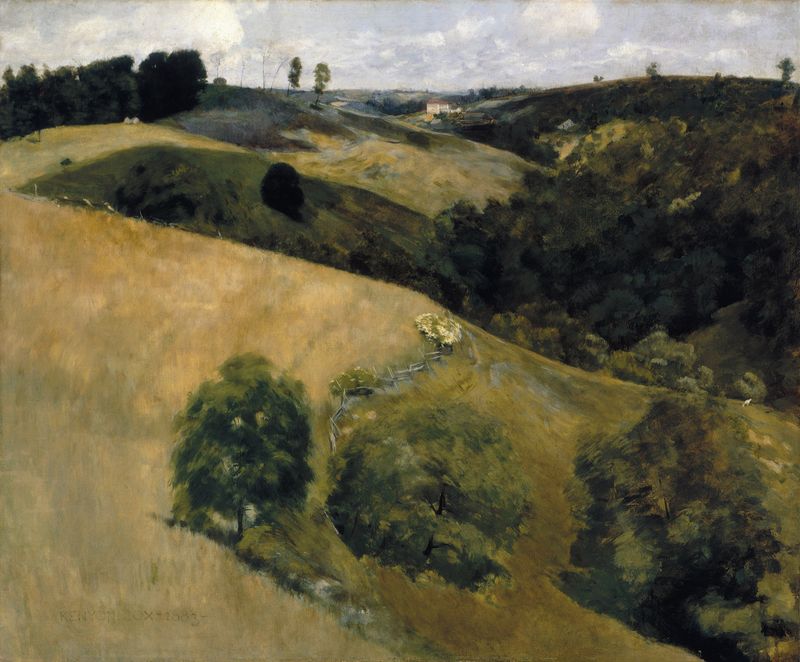
Where does light end, and longing begin? This question lingers in the air, evoking a bittersweet sense of nostalgia that beckons us to explore the depths of our desires and the shadows of what has been lost. Focus on the interplay of light and dark; it draws you in immediately. Look to the left, where the golden rays of the setting sun bathe the landscape in warm hues, casting long, stretching shadows across the ground. Notice the manner in which the artist employs soft brushwork to convey a gentle breeze, animating the grass and emphasizing the fleetingness of daylight.
The muted colors of twilight create a poignant contrast against the vibrant tones, symbolizing the tension between hope and despair as day gives way to night. Delve deeper into the emotional undercurrents at play. The elongating shadows not only signify the passage of time but also embody a sense of yearning for moments that slip away, mirroring the ephemeral nature of life itself. In the foreground, a solitary figure stands poised with a posture that hints at contemplation or perhaps resignation.
This quiet presence anchors the scene, inviting us to ponder the balance between solitude and connection, loss and acceptance. Kenyon Cox painted Lengthening Shadows in 1888 during a time of personal and artistic transformation. Having settled in New York, he was deeply influenced by the evolving American art scene, which sought to reconcile traditional techniques with new subject matter. This period marked a significant pivot in his career as he grappled with the themes of beauty, time, and the human experience, reflecting broader societal shifts in the wake of industrialization.