
Les Étangs à Mortefontaine en automne — History & Facts
Memories drift through the stillness of autumn, each leaf a whisper of the past, silently beckoning contemplation. Look to the soft, dappled hues that characterize the scene, where vibrant oranges and muted browns intermingle like forgotten stories waiting to be told. The viewer’s gaze is drawn to the gentle ripples on the surface of the water, a mirror reflecting a world caught between reality and recollection. Notice how the delicate brushwork creates a sense of movement, evoking the fleeting nature of time while the trees arch overhead, their branches a protective embrace, framing the serene tableau. Yet beneath the apparent tranquility lies a profound tension—a stark contrast between the vividness of the landscape and the pallor of absence.
The warm colors suggest nostalgia, while the quiet water hints at unspoken memories, a longing for moments that have slipped away. This duality invites introspection, challenging the viewer to reconcile the beauty of the present with the echoes of the past. In 1894, Albert Lebourg painted this serene landscape during a time when the Impressionist movement was flourishing in France. He was based in Normandy, where he became known for his masterful use of color and light.
As he embraced the changing seasons in his work, the dialogue between nature and memory emerged, reflecting not just the world around him, but also the inner landscape of human emotion and experience.
More Artworks by Albert Lebourg
Browse all →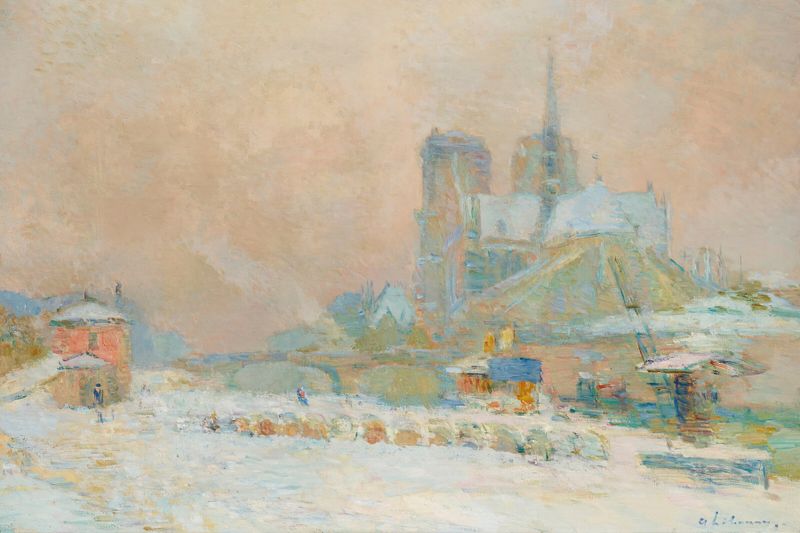
Notre Dame de Paris, vue du Quai de la Tournelle, effet de neige
Albert Lebourg
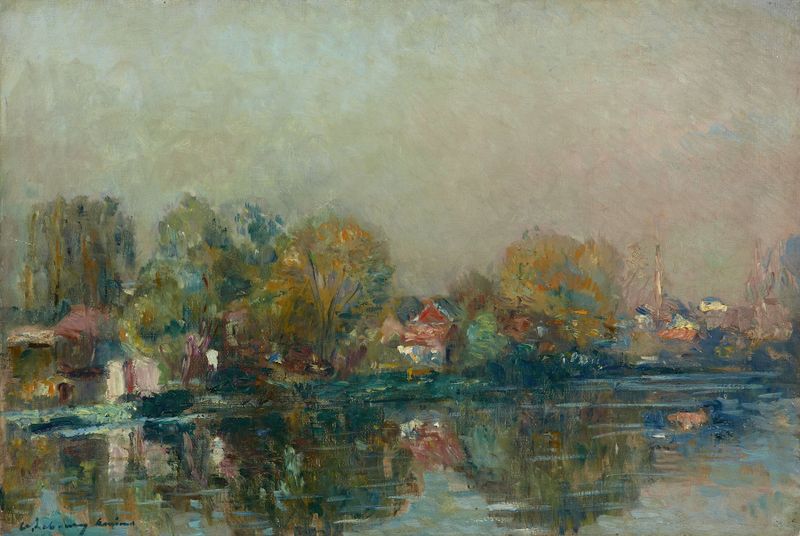
Amiens, bords de rivière
Albert Lebourg
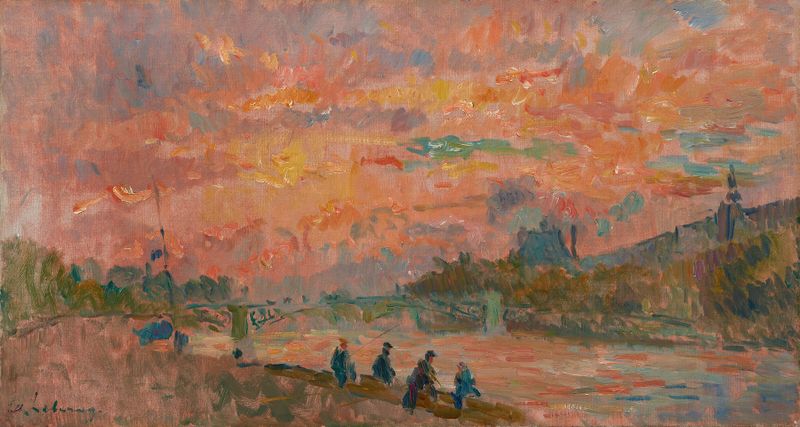
Coucher de soleil sur la Seine, à Paris
Albert Lebourg
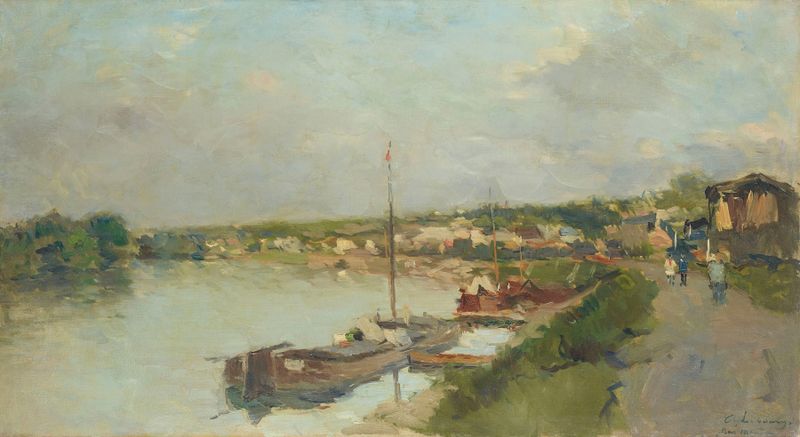
La Seine au Bas-Meudon
Albert Lebourg
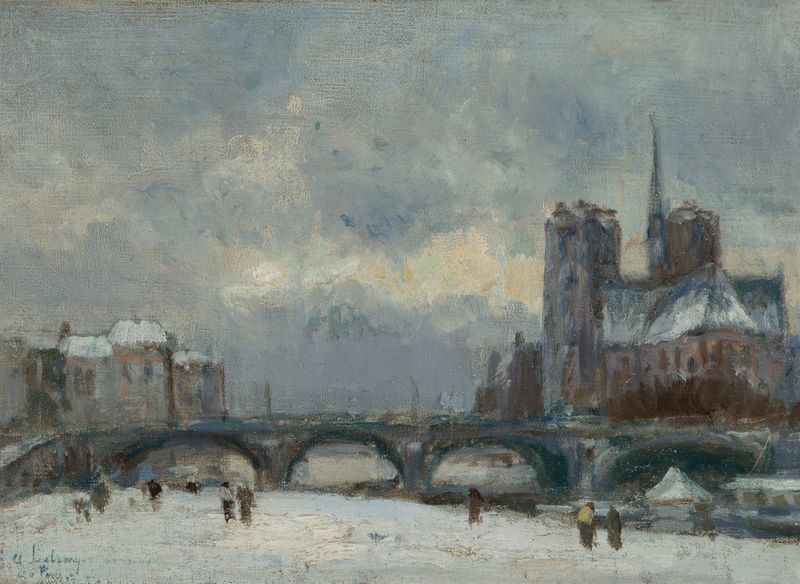
Paris, Notre-Dame, neige
Albert Lebourg
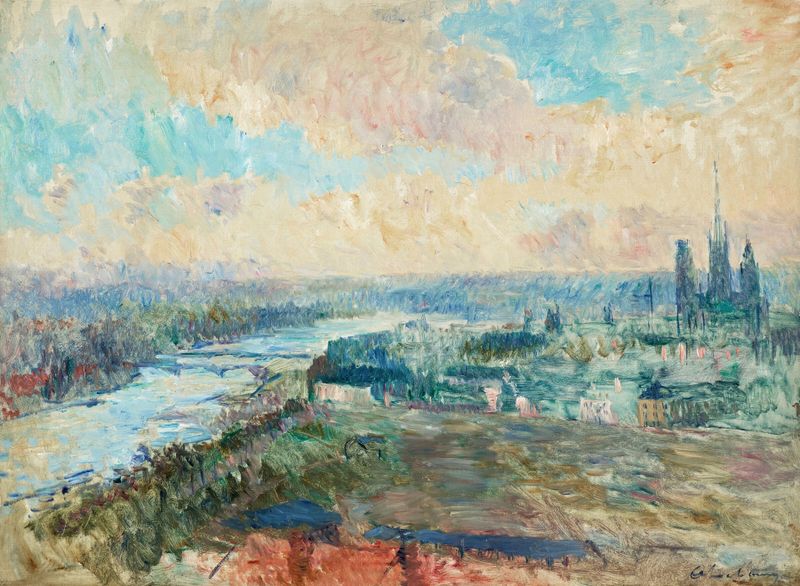
La Seine à Rouen
Albert Lebourg
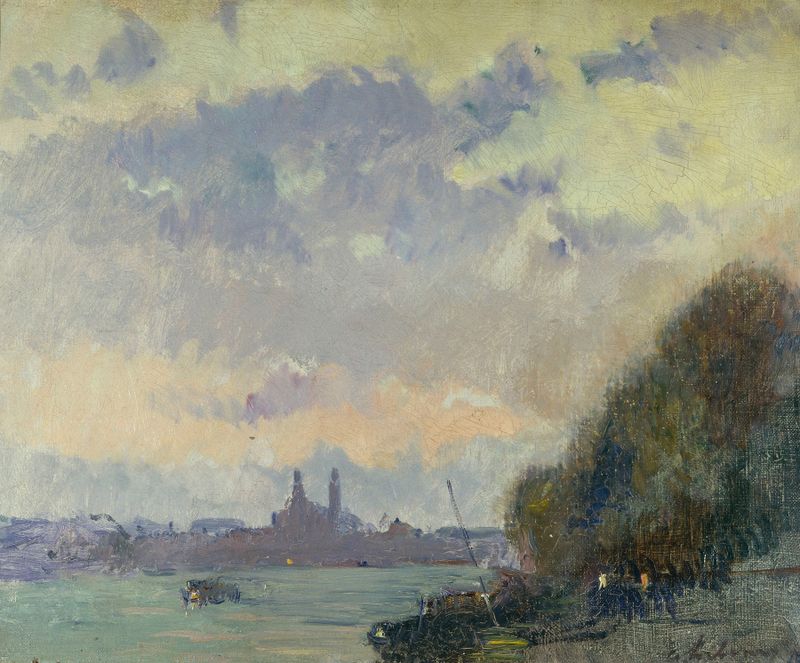
La Seine et l’ancien Trocadéro
Albert Lebourg
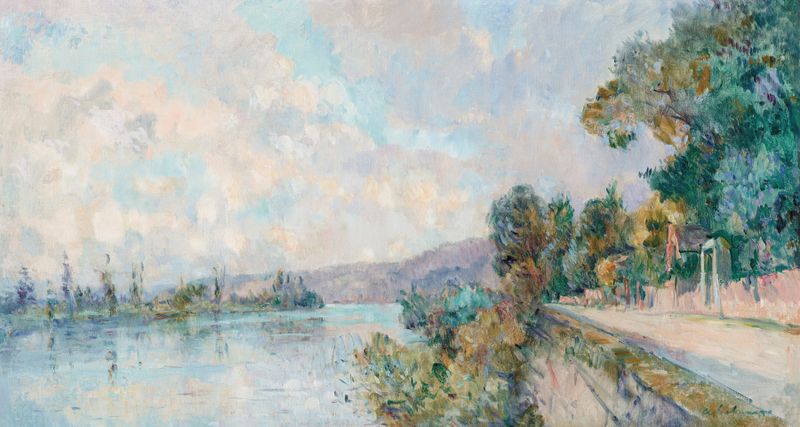
La Seine et les coteaux de Dieppedalle, vue prise de Croisset, près Rouen
Albert Lebourg
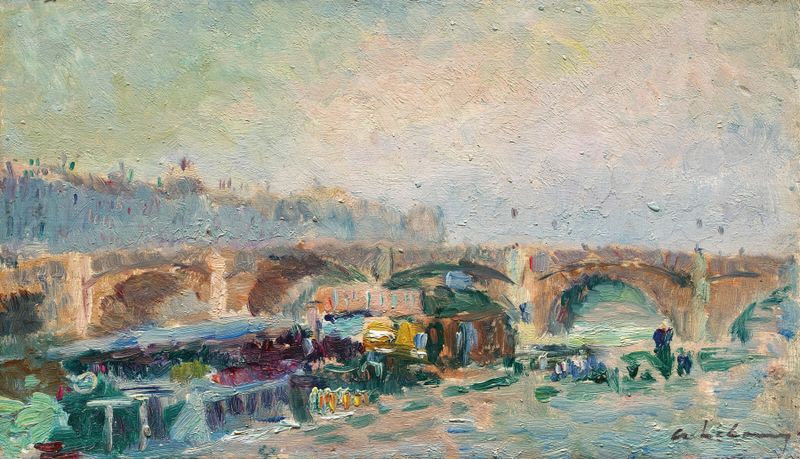
Le Pont de la Tournelle et le quai de Béthune
Albert Lebourg
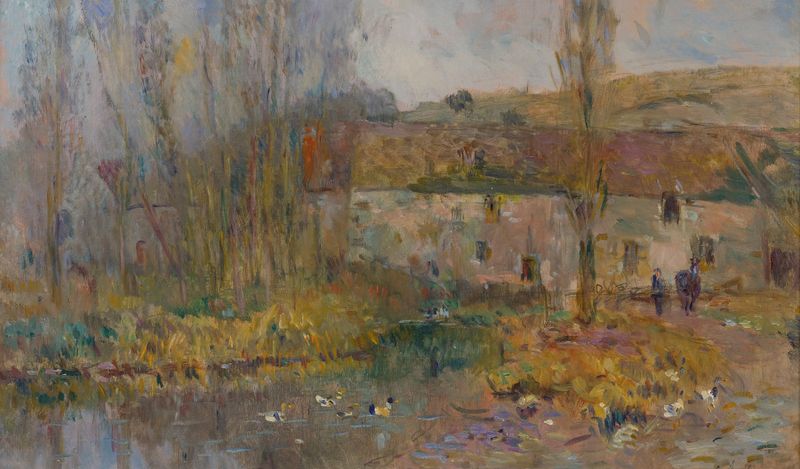
Moulin En Normandie
Albert Lebourg





