
L’Église, Tréguier — History & Facts
Could a single brushstroke hold eternity? A sense of emptiness pervades the canvas, inviting reflection and a quiet contemplation of the spaces we inhabit. Look to the foreground, where the church rises solemnly amidst a muted landscape. Notice how the pale, diffused light bathes the stone façade, revealing subtle textures that seem to breathe life into the structure. The colors, a delicate interplay of grays and muted greens, create a serene atmosphere, while the soft, almost impressionistic strokes draw the eye upwards, highlighting the ethereal sky above.
Each brushstroke feels intentional, as if capturing a moment suspended in time. Upon closer inspection, the empty streets and the absence of human figures evoke a profound sense of solitude. The church, a symbol of both community and isolation, stands as a silent witness to the passage of time. The juxtaposition between the sturdy building and the muted, unpopulated surroundings underscores a tension between permanence and transience, inviting viewers to ponder the spaces left unfilled in their own lives. Henri Le Sidaner painted L’Église, Tréguier in 1913 during a time of artistic exploration and innovation in France.
With the rise of the modernist movement, artists like Le Sidaner sought to capture not just the visible world but also the emotional resonance of place. This period in his life was characterized by a focus on light and atmosphere, as he increasingly embraced the quiet beauty of everyday scenes, reflecting a personal search for meaning in a rapidly changing world.
More Artworks by Henri Le Sidaner
Browse all →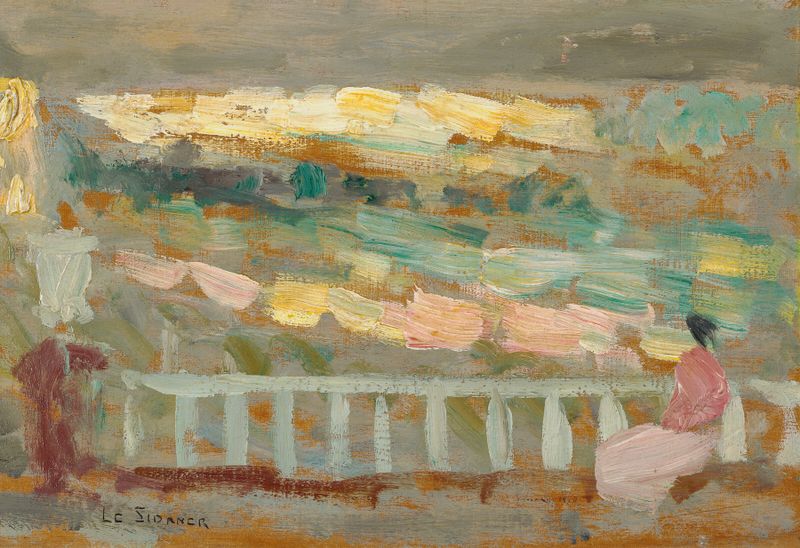
Terrasse à Gerberoy
Henri Le Sidaner
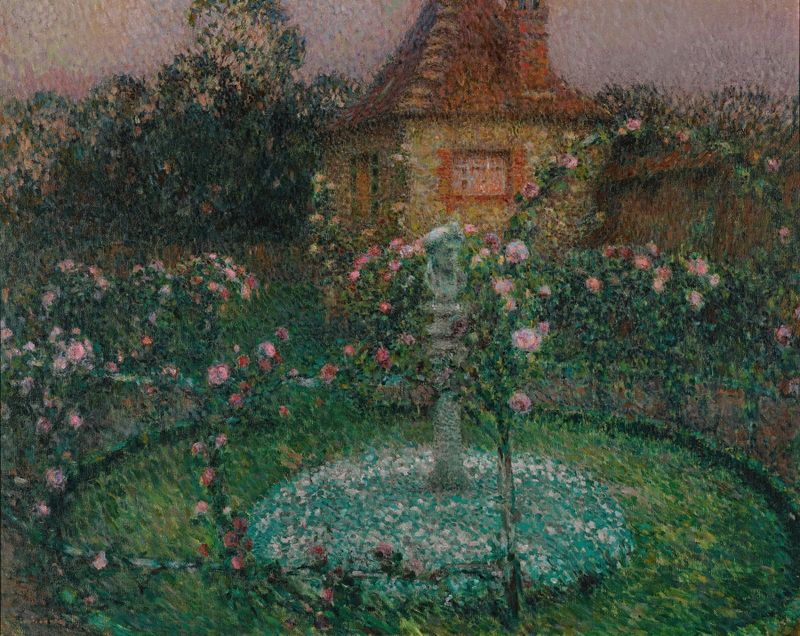
Le Pavillon, Gerberoy
Henri Le Sidaner
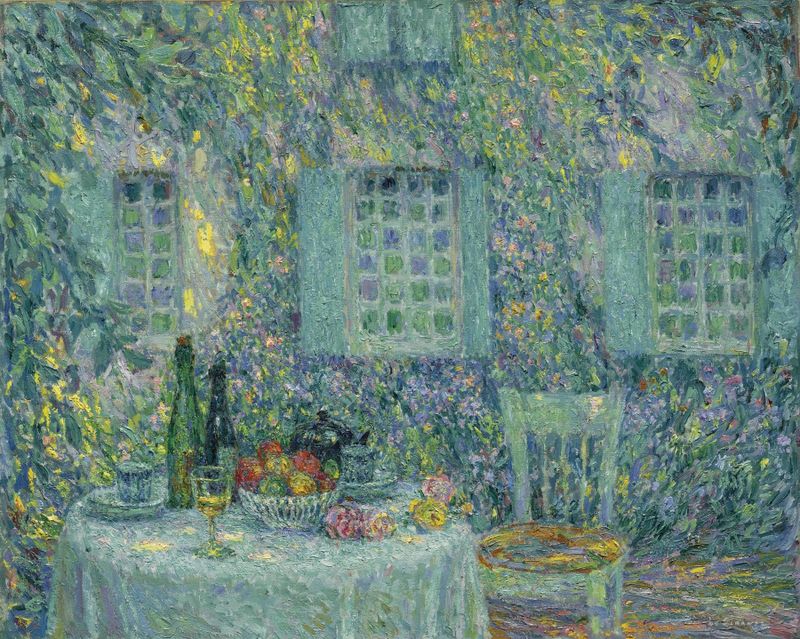
La Table, soleil dans les feuilles, Gerberoy
Henri Le Sidaner
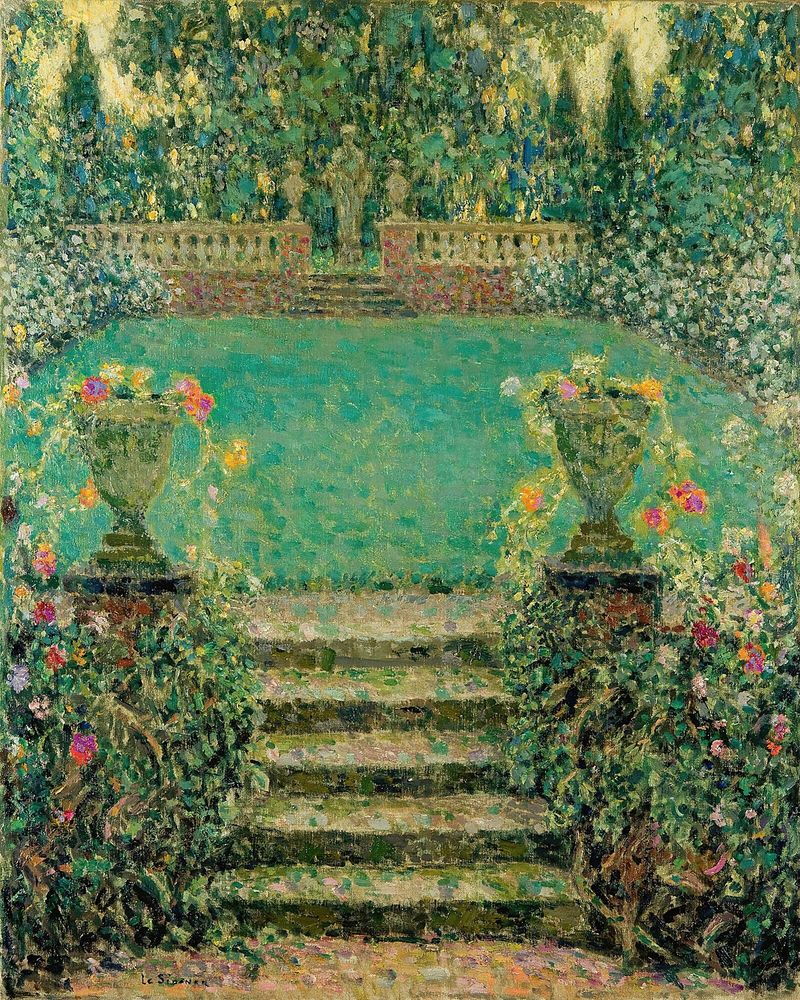
Les Marches Du Jardin, Gerberoy
Henri Le Sidaner
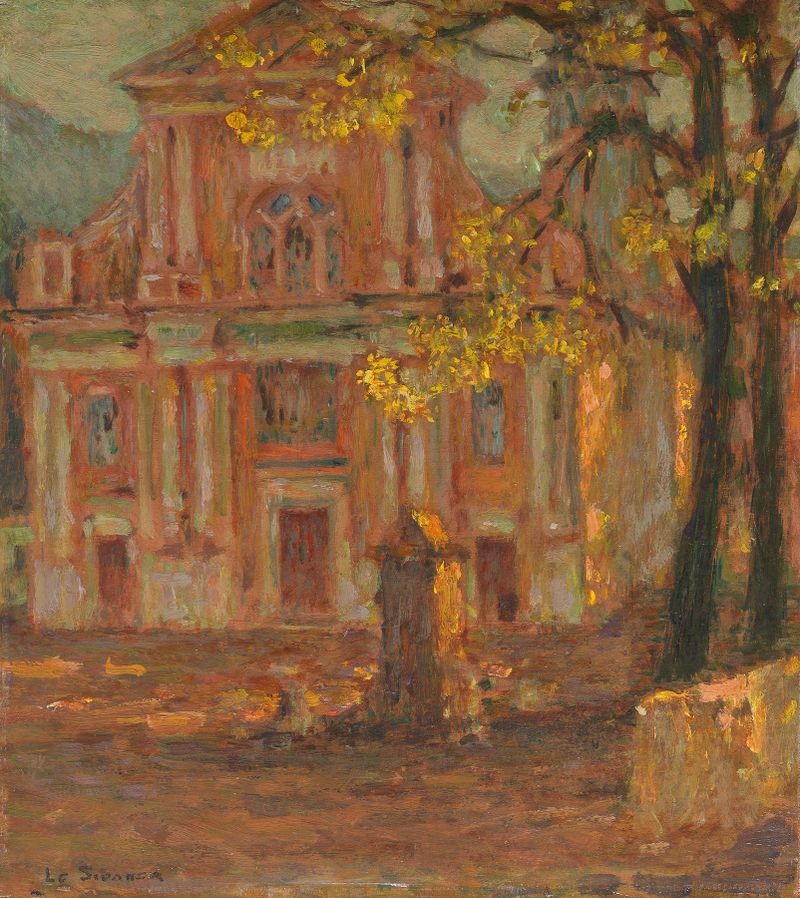
L’église, Dolceacqua
Henri Le Sidaner
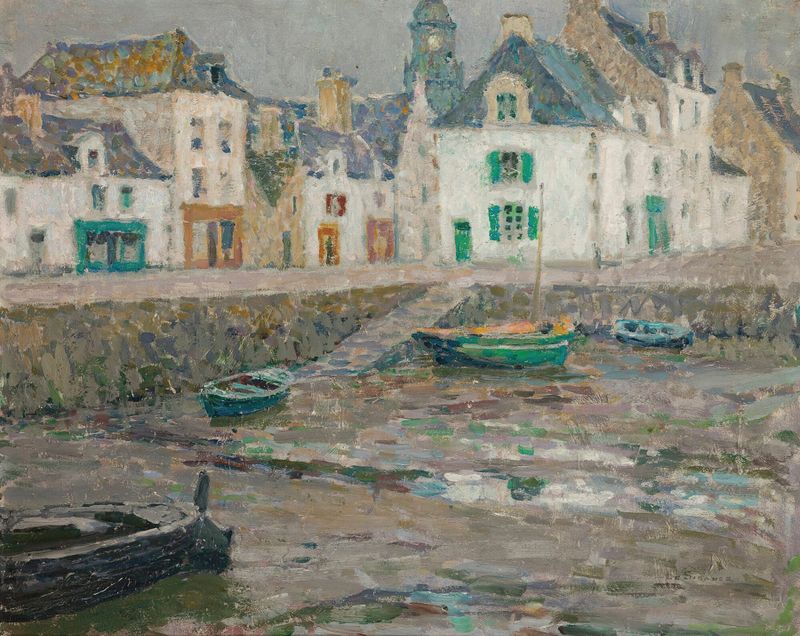
Les Maisons Des Marins, Le Croisic
Henri Le Sidaner
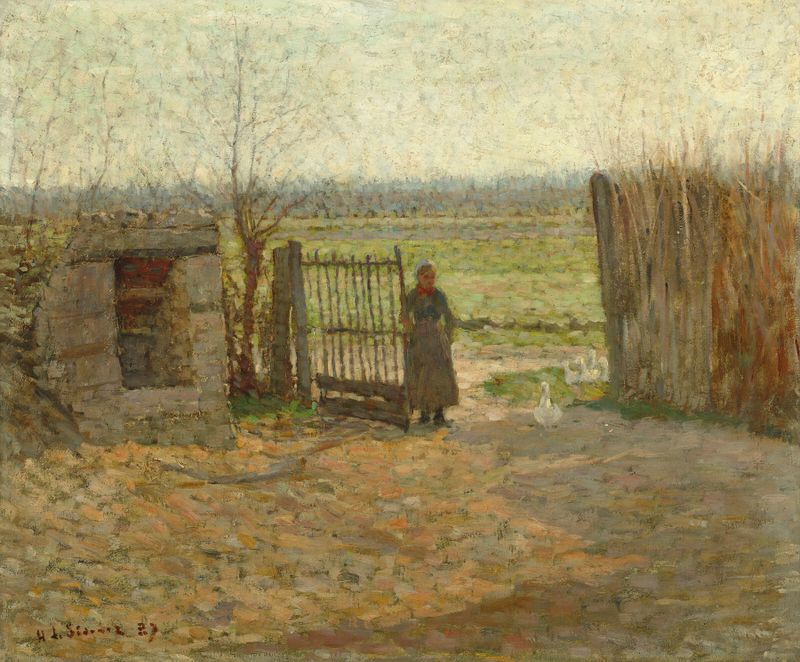
La porte de la ferme
Henri Le Sidaner
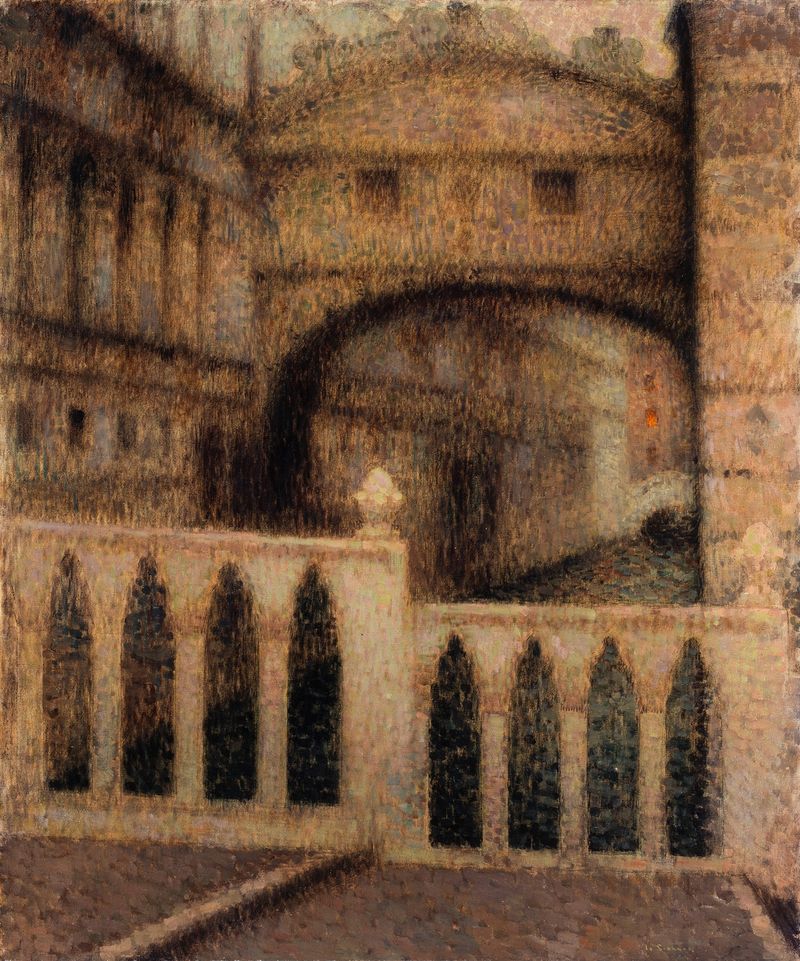
Le pont des Soupirs
Henri Le Sidaner
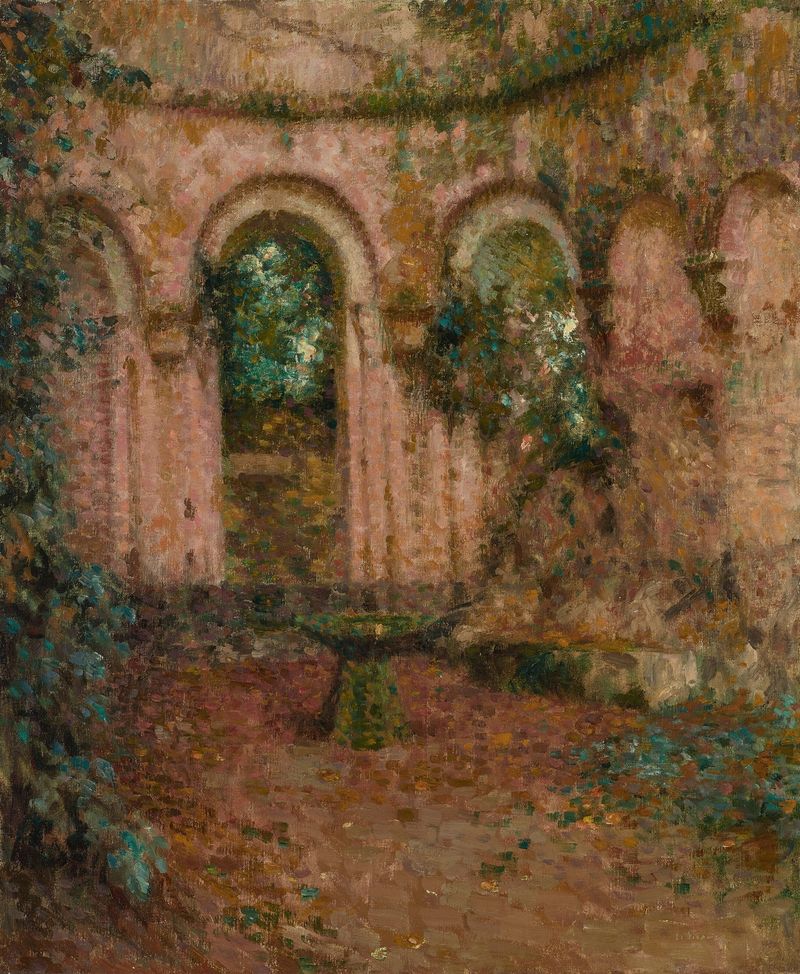
La chapelle rose, Montreuil-Bellay
Henri Le Sidaner
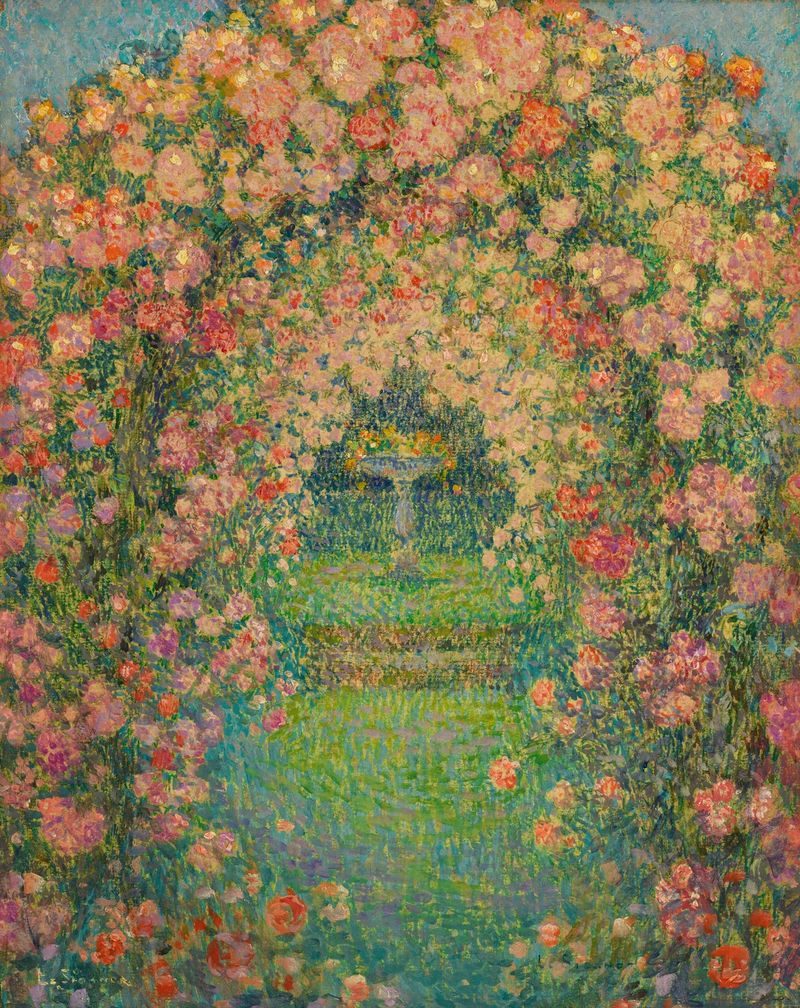
La Roseraie, Gerberoy
Henri Le Sidaner
More Architecture Art
Browse all →
The statue of Liberty
Frédéric Auguste Bartholdi

View of Houses in Delft, Known as ‘The Little Street’
Johannes Vermeer

View of Houses in Delft, Known as ‘The Little Street’
Johannes Vermeer

The Cathedral in Rouen. The portal, Grey Weather
Claude Monet

The yellow house
Vincent van Gogh

The Church in Auvers-sur-Oise, View from the Chevet
Vincent van Gogh