Lijf van een babyjurk, van fijn batist, met geborduurde, driehoekige voorpandversieringen — History & Facts
In a world of fleeting moments, how do we capture the essence of innocence and nostalgia? Look closely at the delicate embroidery that adorns the triangular front decorations of this baby dress, its threads intertwining like the tender bonds of family. The fine batist fabric, transparent yet resilient, invites the viewer to consider the blend of fragility and strength. The soft palette—gentle whites and muted pastels—evokes a sense of serenity, drawing the eye to the exquisite details that whisper stories of love and care. The striking contrast between the meticulous craftsmanship and the simplicity of the garment speaks volumes about the era it hails from.
Each embroidered motif, perhaps a symbol of hope or protection, reverberates with emotional significance, reflecting societal values of nurturing and childhood. The dress serves not merely as clothing but as a tangible memory, embodying the dreams and aspirations parents held for their children during a time when such garments were often cherished family heirlooms. Created around 1820, this item reflects the artistic sensibilities of its time, where craftsmanship was revered and the domestic sphere was a center of creativity. The unknown artist, likely working within a home or small atelier, was contributing to a tradition that celebrated the beauty of everyday objects.
In a period shaped by the rise of sentimental art and the Romantic movement, the work stands as a testament to the emotional depth and cultural values of an age focused on family and the sanctity of childhood.
More Artworks by Unknown Artist
Browse all →
Ridder, Dood en Duivel
Unknown Artist
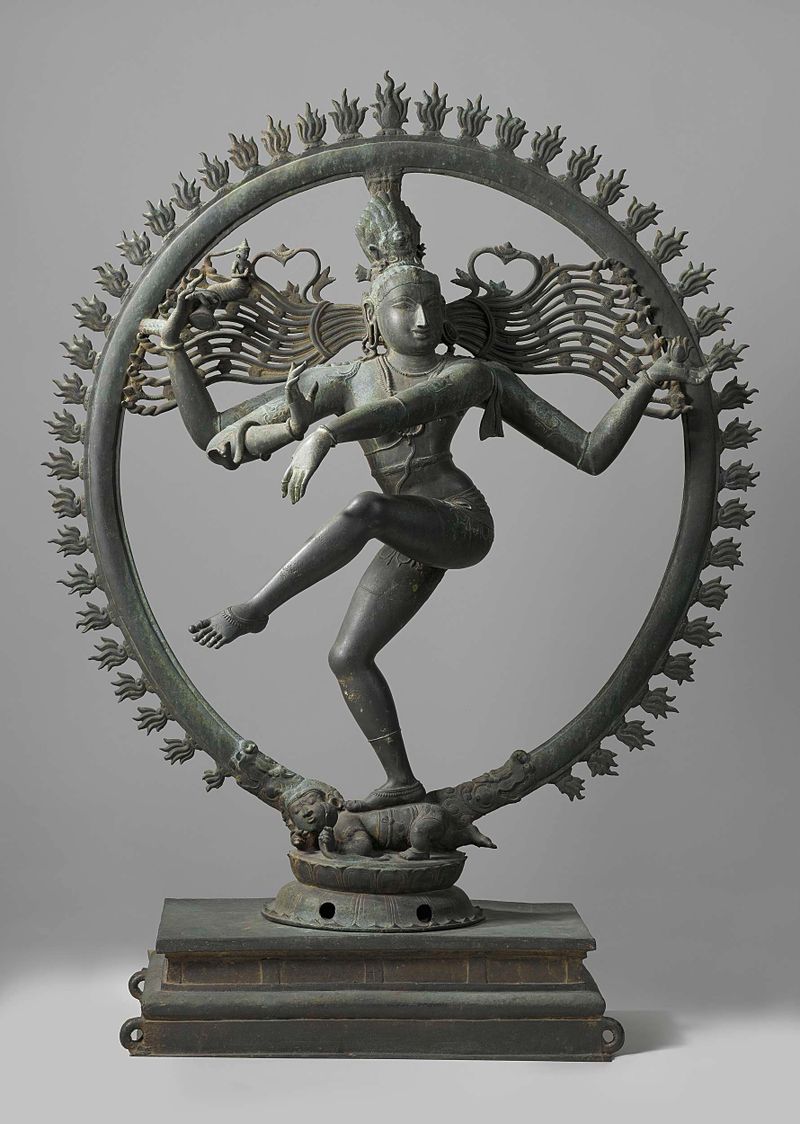
Shiva Nataraja
Unknown Artist
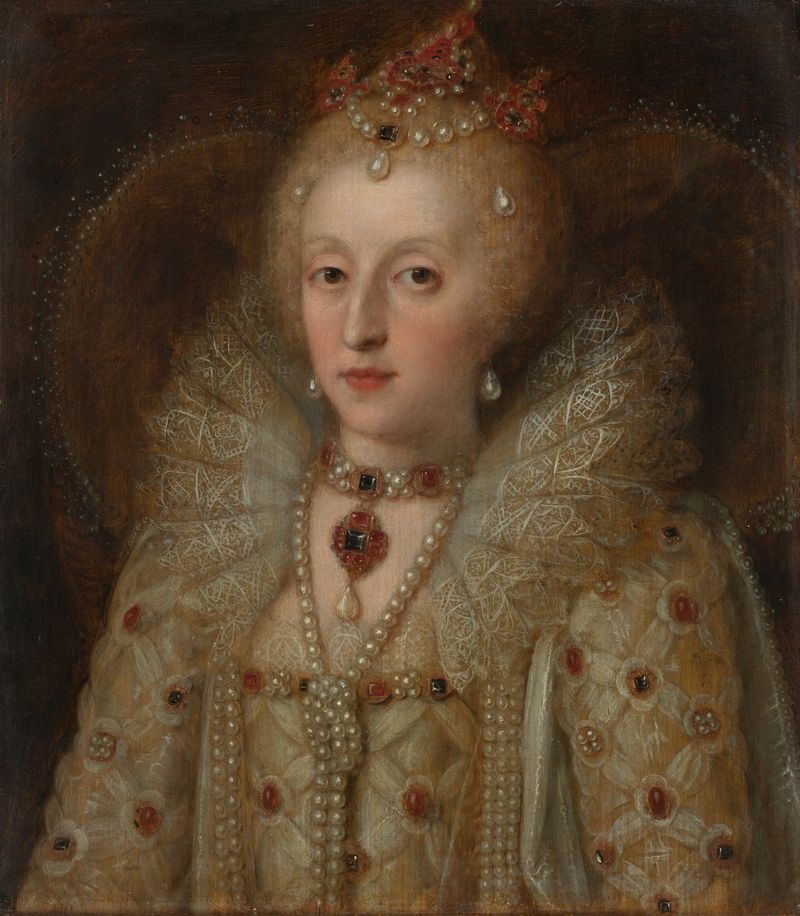
Portrait of Elizabeth I, Queen of England
Unknown Artist
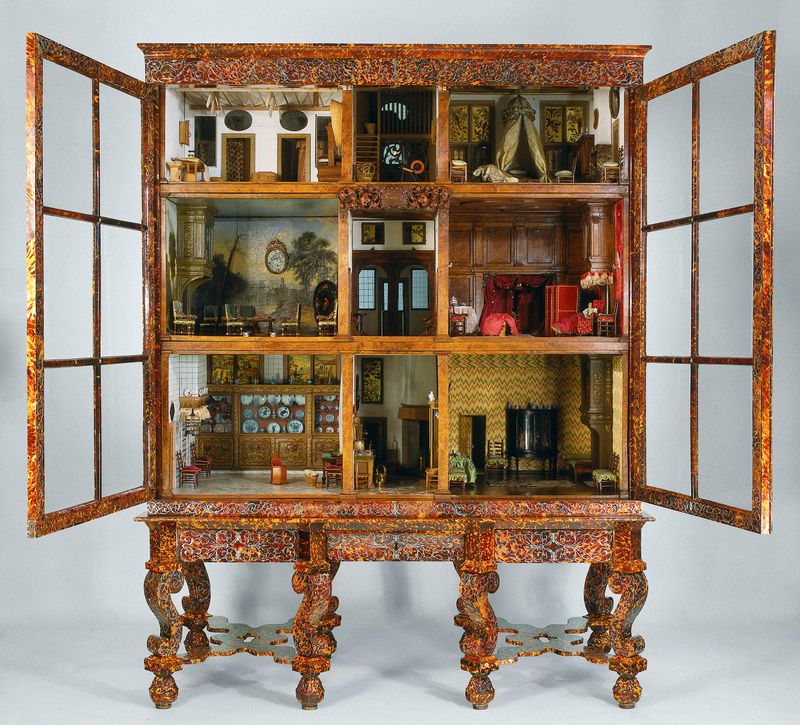
Dolls’ house of Petronella Oortman
Unknown Artist
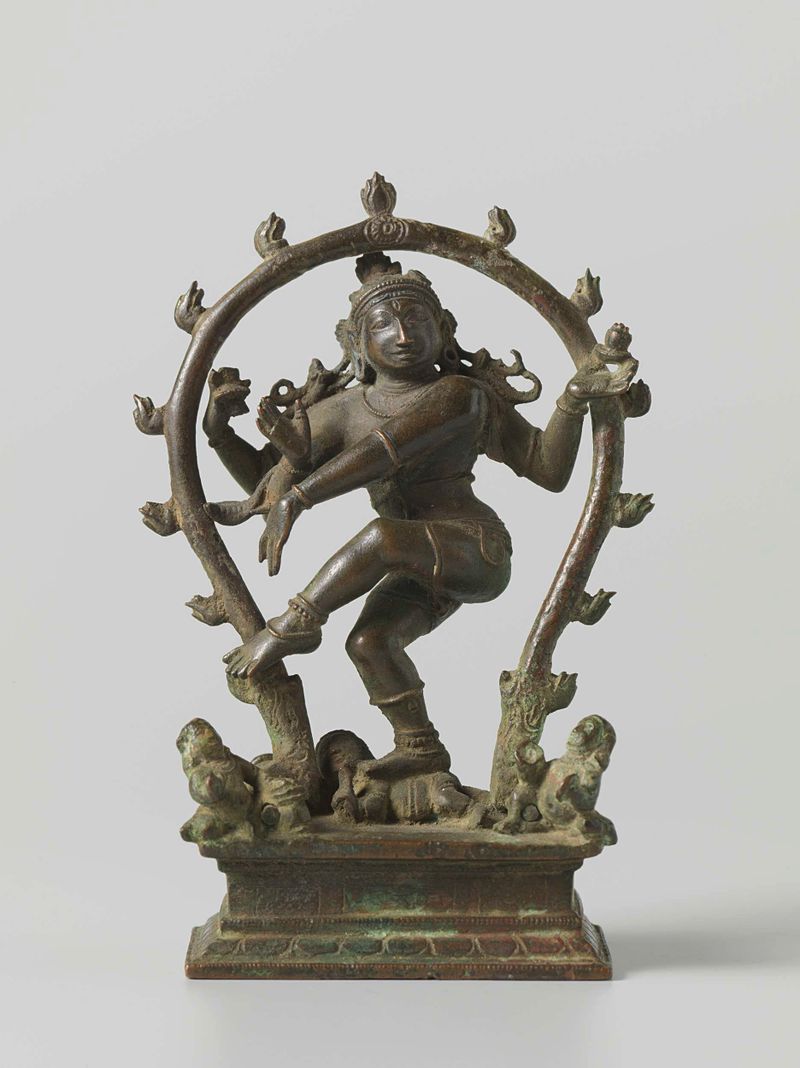
Shiva Nataraja
Unknown Artist

The Tale of Genji
Unknown Artist

The Tale of Genji
Unknown Artist

Cong
Unknown Artist
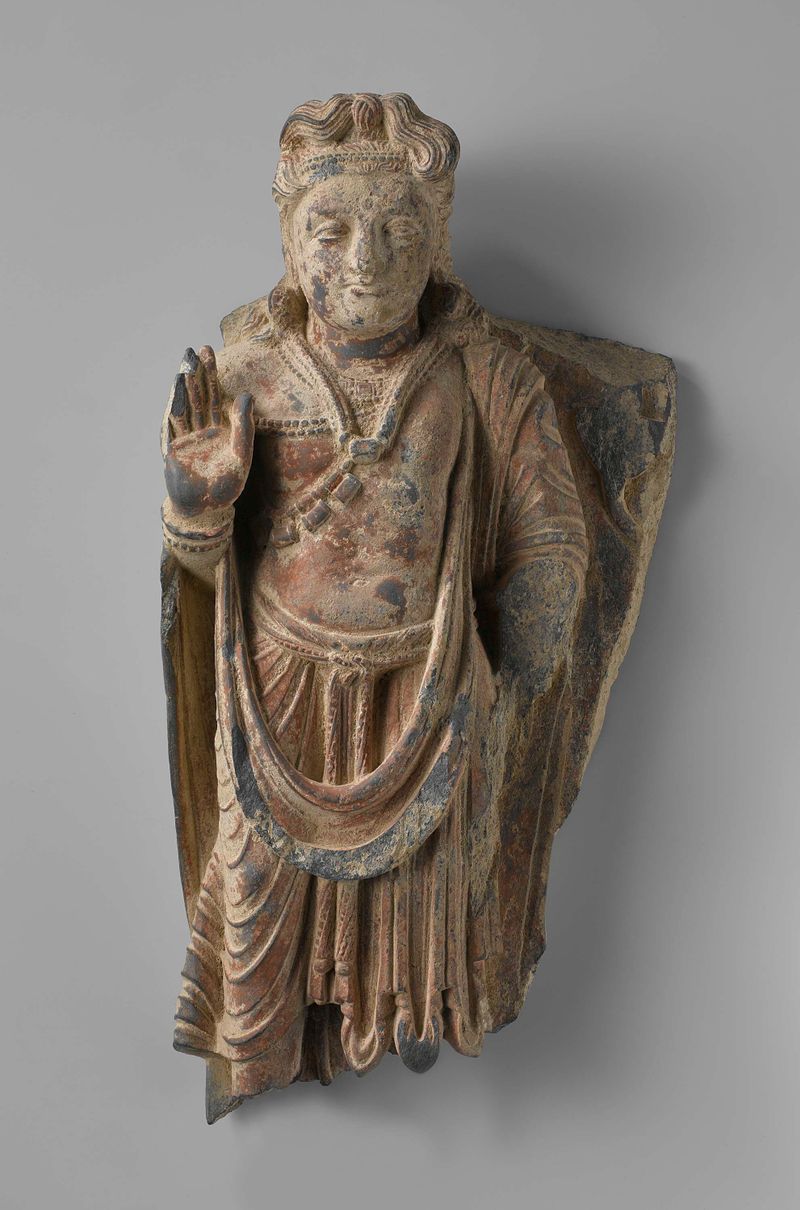
The bodhisattva Maitreya
Unknown Artist

Teabowl with a 'hare's fur' glaze
Unknown Artist