
Lilleshall, Shropshire; The South and East Fronts — History & Facts
In the absence of life, architecture stands as a poignant testament to what once was, whispering the stories of the past. An echo of grandeur, this piece reflects not only the structure itself but the profound emptiness that envelops it, inviting deep introspection. Look closely at the intricate details of the façade, where every stone and archway seems to hold its breath. The soft, muted palette evokes a sense of nostalgia, with greys and browns blending into the backdrop of the landscape.
The light dances across the surface, highlighting the delicate carvings, while the vastness surrounding the building draws your gaze outward, emphasizing its solitude. Notice how the shadows stretch, creating a sense of depth and dimension that is both inviting and haunting. The contrast between the robust architecture and the desolate setting speaks volumes about abandonment and memory. Each corner of this structure tells a story of bustled halls now left to silence, suggesting the passage of time and the weight of history.
The interplay of light and shadow not only accentuates the physicality of the building but also mirrors the emptiness within, leading viewers to reflect on their own experiences with loss and absence. In 1826, the artist was deeply engaged in the transformation of English neoclassicism, focusing on restoring and redefining architectural styles. This period marked a time of significant change in Britain, as the Industrial Revolution began to reshape landscapes and society. The creation of this work coincided with his efforts to elevate the significance of architecture, weaving a narrative of permanence amidst the inevitable march of time.
More Artworks by Sir Jeffry Wyatville
Browse all →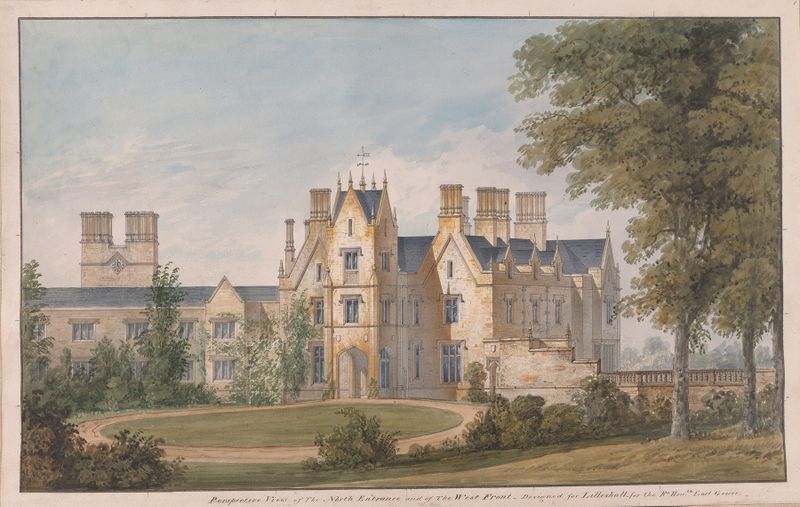
Lilleshall, Shropshire; View of the North Entrance and of the West Front
Sir Jeffry Wyatville
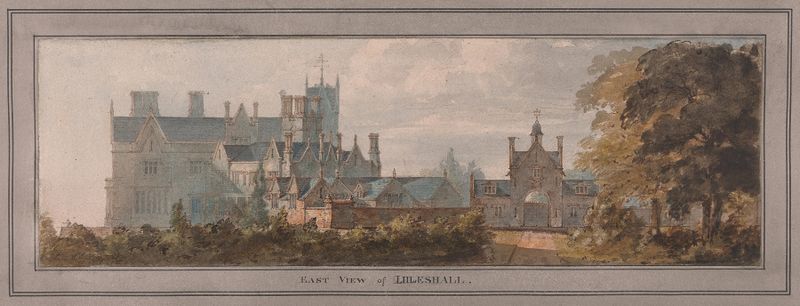
Lilleshall, Shropshire; East View
Sir Jeffry Wyatville

Hyde Hall, Hertfordshire; Perspective View
Sir Jeffry Wyatville
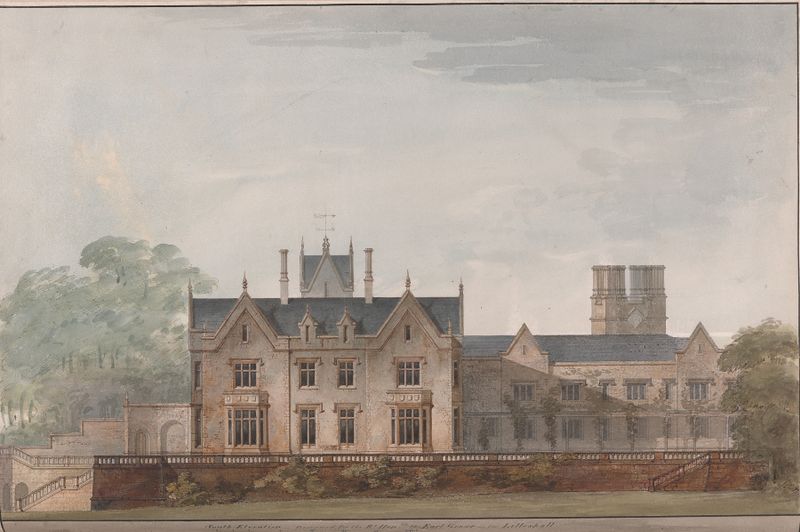
Lilleshall, Shropshire; South Elevation
Sir Jeffry Wyatville
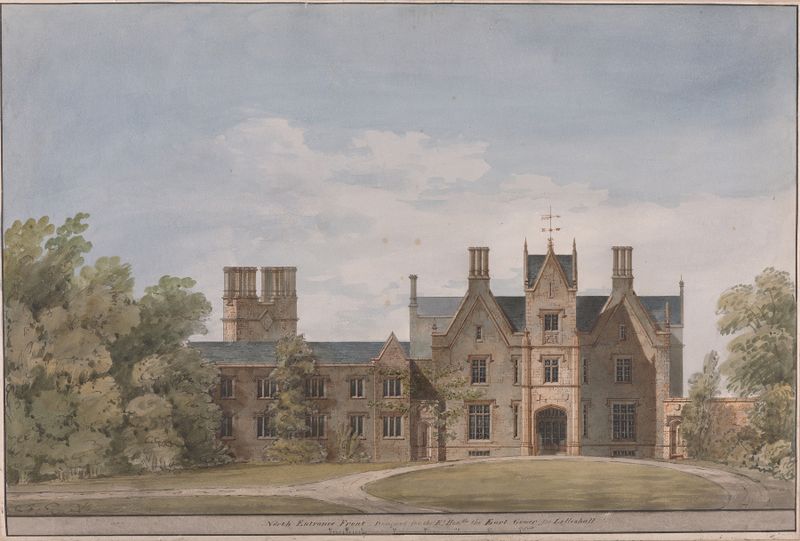
Lilleshall, Shropshire; North Entrance Front
Sir Jeffry Wyatville
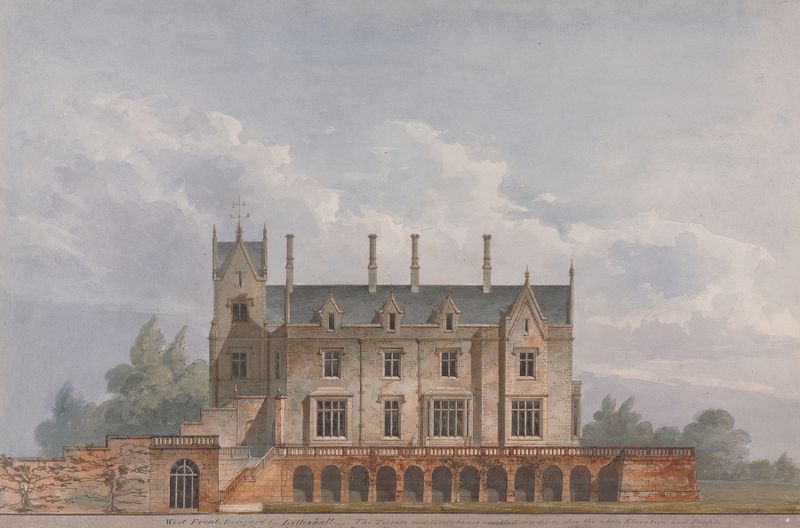
Lilleshall, Shropshire; West Front
Sir Jeffry Wyatville
More Architecture Art
Browse all →
The statue of Liberty
Frédéric Auguste Bartholdi

View of Houses in Delft, Known as ‘The Little Street’
Johannes Vermeer

View of Houses in Delft, Known as ‘The Little Street’
Johannes Vermeer

The Cathedral in Rouen. The portal, Grey Weather
Claude Monet

The yellow house
Vincent van Gogh

The Church in Auvers-sur-Oise, View from the Chevet
Vincent van Gogh