
Liselund — History & Facts
When did color learn to lie? In the delicate hues of a pastoral landscape, truth and deception intertwine, whispering stories of transformation hidden beneath the surface. Look to the left at the subtle play of vibrant greens and soft earth tones that cradle the scene. The lush vegetation and serene water surface draw the eye towards a distant horizon, where a cascade of muted colors hints at mystery. Notice how the painter's deft brushwork creates a gentle rhythm, inviting the viewer to explore the layers of foliage and the dreamy reflections that dance upon the water's surface, suggesting a world both real and imagined. As you gaze deeper, consider the contrast between the vivid foreground and the looming shadows of the background.
The way the light filters through the trees hints at a transient moment, evoking a sense of nostalgia or longing. The careful inclusion of a solitary figure amid this tranquil environment adds an emotional weight, representing the fragile balance between solitude and connection. This landscape serves not just as a backdrop but as a character, reflecting inner states of being and the passage of time. In 1796, Lange painted this piece while living in Denmark, a period marked by a burgeoning interest in Romanticism.
As he navigated the artistic landscape, he sought to capture the emotional resonance of nature, responding to the shifting cultural tides of his time. The artwork emerges as a testament to this fruitful era, inviting us to ponder the complexities of perception and the quiet transformations that color our experiences.
More Artworks by Søren L. Lange
Browse all →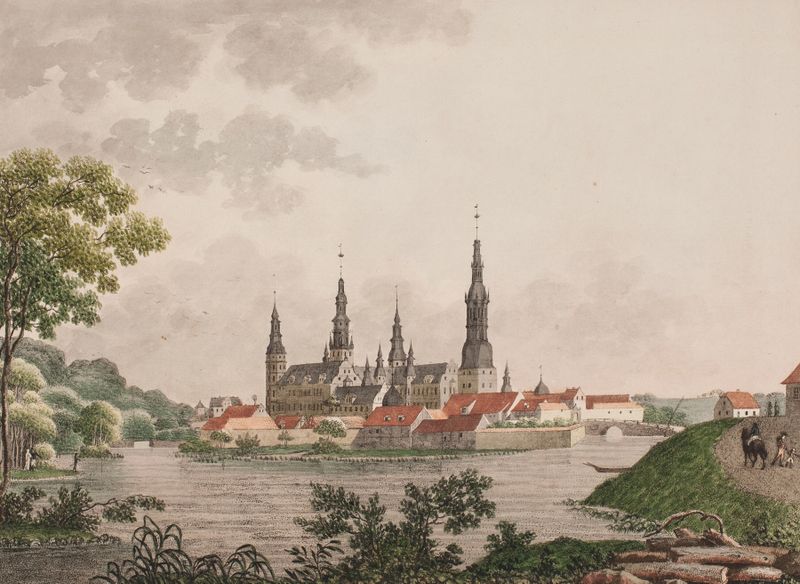
Prospekt af det kongelige slot Frederiksborg på Sjælland
Søren L. Lange
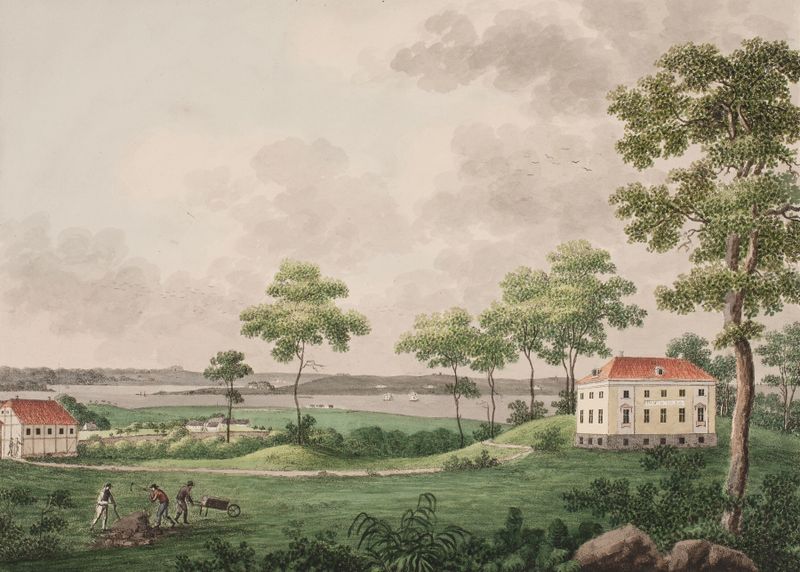
Udsigt af en Parcelle ved Grønsund på Falster under det Classenske Agerdyrknings Institut
Søren L. Lange
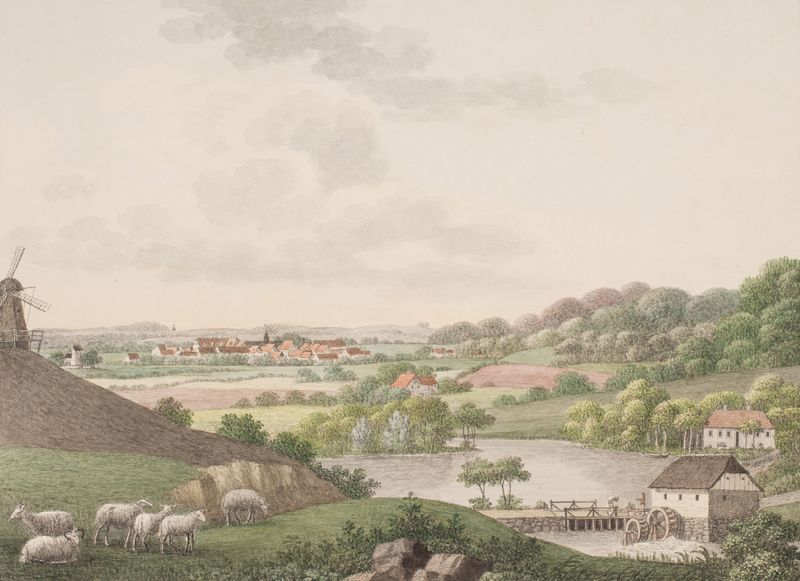
Christiansfeld, fra den østlige side
Søren L. Lange
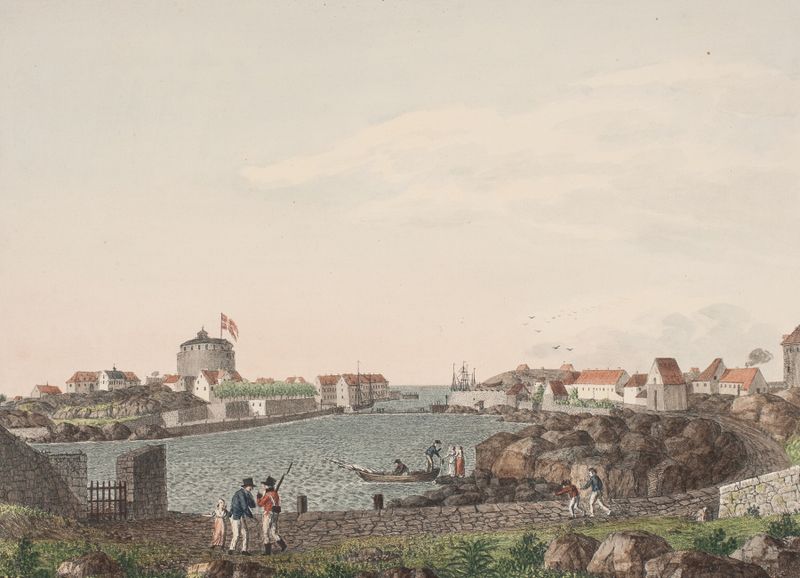
Christiansø. Nordhavnen
Søren L. Lange
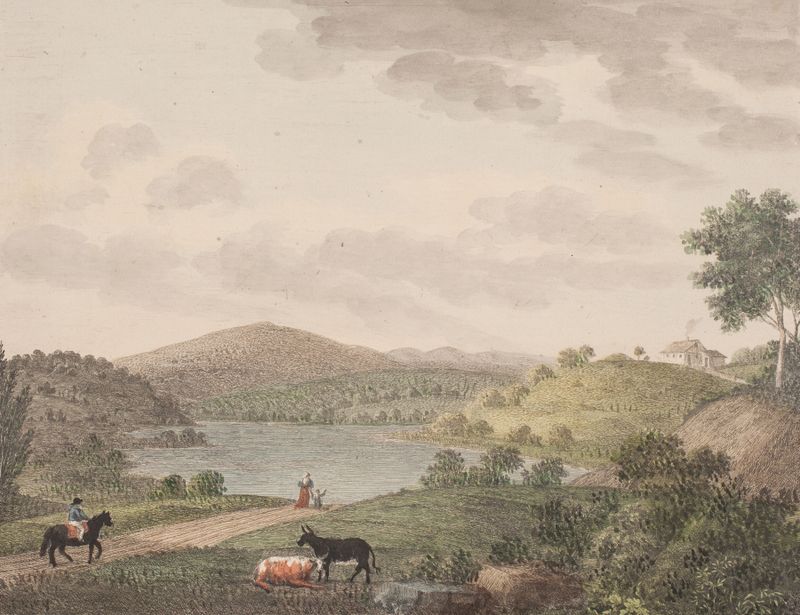
Aborrebjerget. En udsigt på Møn
Søren L. Lange
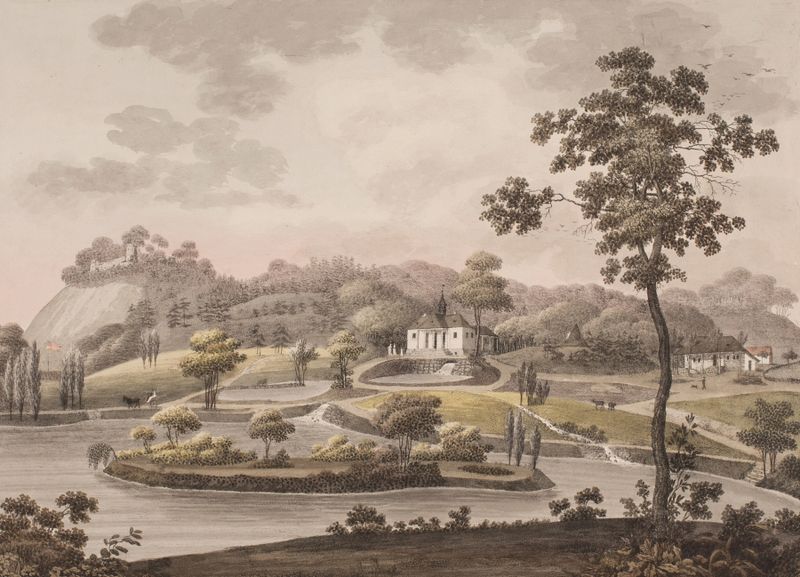
Liselund på Møn i Danmark
Søren L. Lange
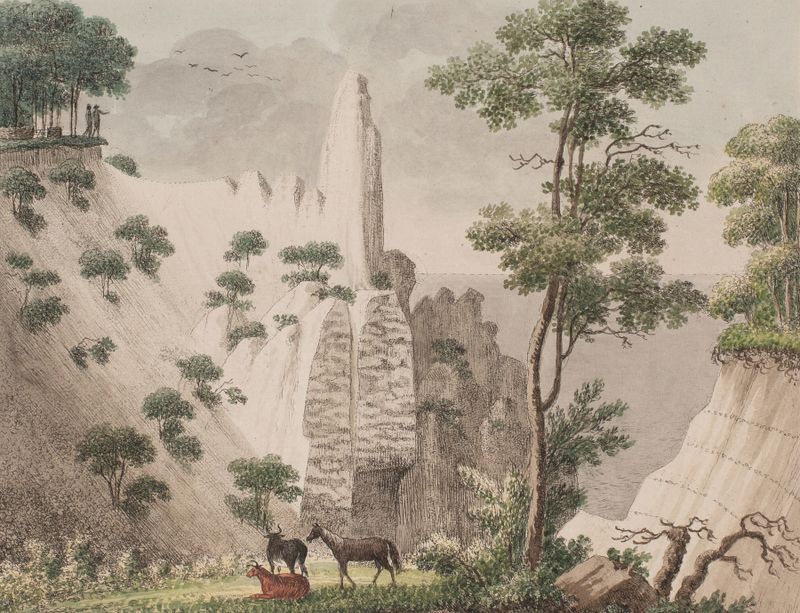
Udsigt af Sommerspiret i kridtbjergene på Møn
Søren L. Lange
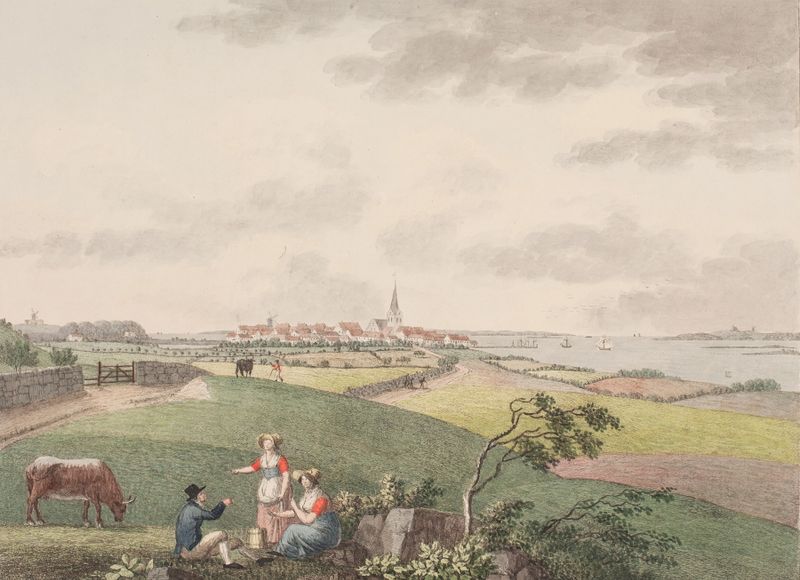
Rudkøbing på Langeland
Søren L. Lange
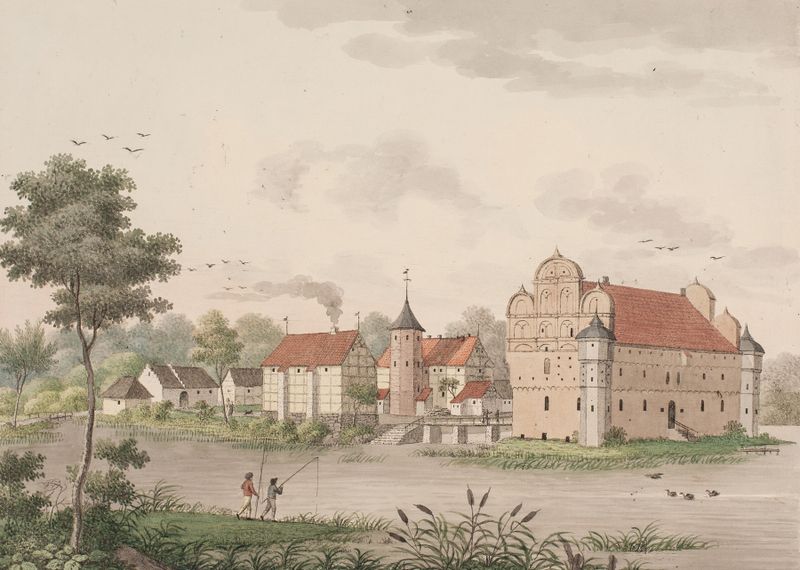
Hesselagergaard på Fyn
Søren L. Lange
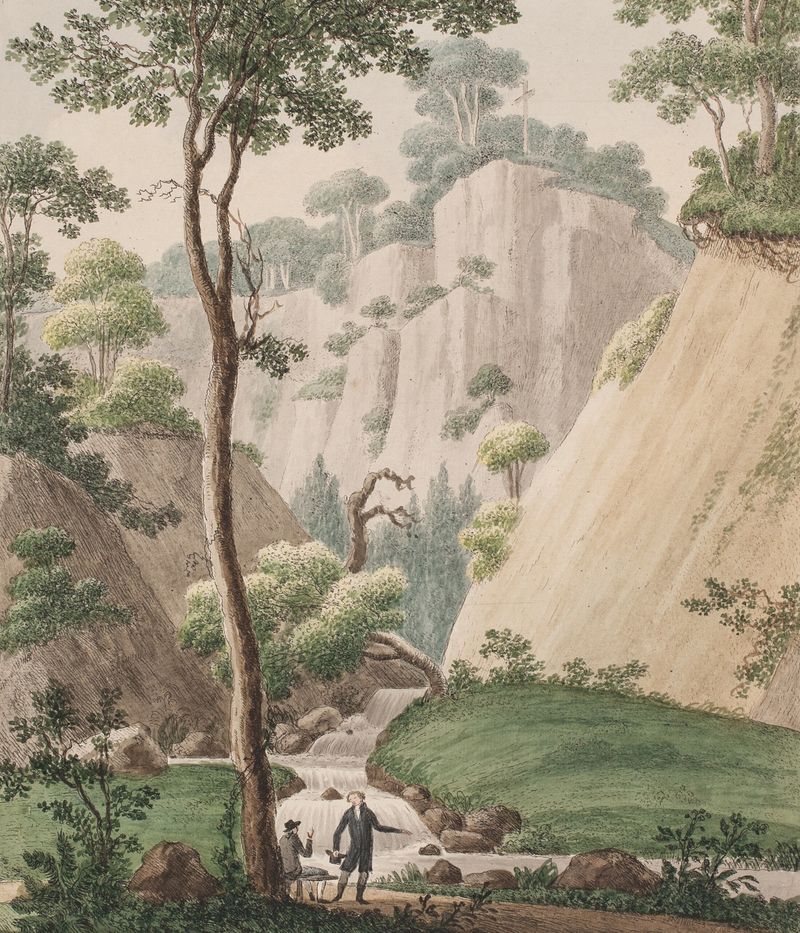
En udsigt ved Liselund på Møen
Søren L. Lange





