Lock — History & Facts
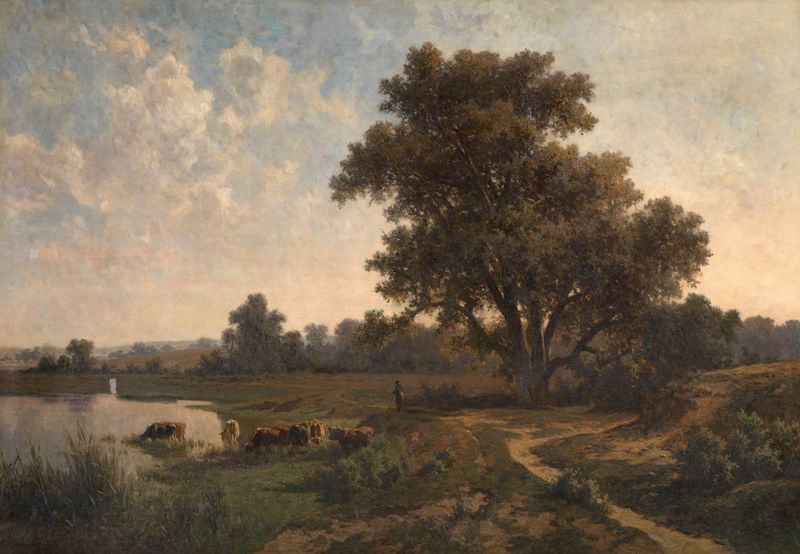
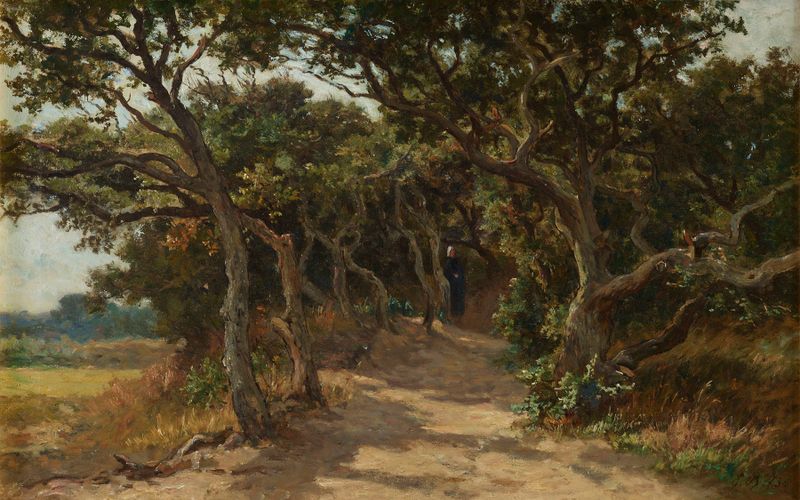
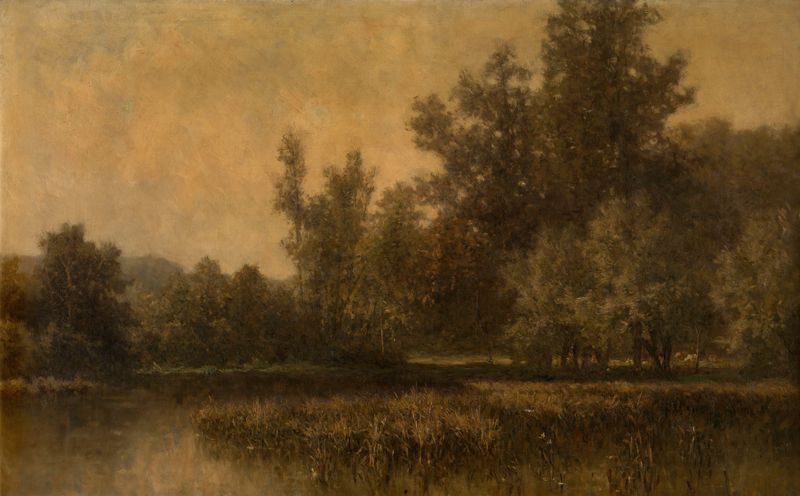
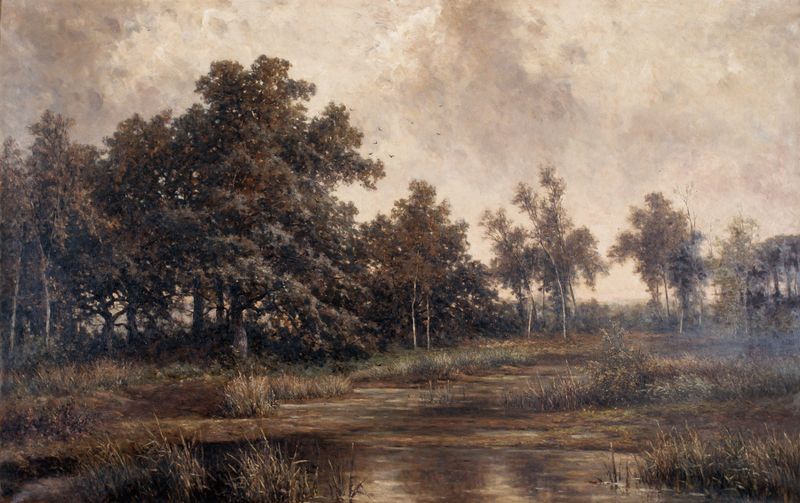
In the stillness of art, emotions linger like whispers, reflected in every brushstroke. When faced with Lock, one cannot help but feel an urge to unlock the layers of grief that reside within its colors and forms. Focus first on the heavy, muted shades that dominate the canvas; they draw you in, a somber invitation to engage with the depths of sorrow. Notice the texture of the paint itself; it's thickly applied, creating an almost three-dimensional quality that brings the imagery to life.
Look closely at the central element, a solitary lock that stands stark against a backdrop of soft, blurred hues. This juxtaposition emphasizes not only the object’s isolation but also the myriad unexpressed feelings surrounding it. The lock symbolizes more than mere security; it represents the emotional barriers we erect in times of profound loss. Surrounding this central motif, subtle elements—faint outlines of human figures—emerge and fade, echoing the shadow of absence and the personal connections that remain unfulfilled.
Here, grief isn’t merely a feeling; it's a palpable presence that intertwines with memory and longing, forming a complex tapestry of emotions that resonates on many levels. Euphrosine Beernaert created Lock during a time when her artistic journey was deeply intertwined with personal challenges. Working in a period marked by emotional upheaval, she sought to convey the unspoken truths of her experiences through her art. The absence of a specific date hints at a timeless struggle, one that transcends her individual narrative to connect with universal themes of loss and remembrance.