Losse mouw van kinderwambuis van gematelasseerde witte satijn — History & Facts
Can beauty exist without sorrow? In the delicate folds of a garment, a story of transformation unfolds—one that intertwines the ephemeral with the eternal. Focus on the intricate textures of the fabric, where the soft sheen of quilted white satin catches the light, creating a shimmering effect that invites the viewer to reach out and touch. Notice how the meticulous stitching weaves a narrative of craftsmanship, each thread holding the weight of its history. The garment’s voluminous sleeves ripple outward, a stark contrast to the simple, unadorned background, highlighting the elegance and complexity of the piece. Yet beneath its surface beauty lies a poignant tension; the softness of the fabric belies the harsh realities of life in the 17th century.
This garment, likely worn by a child, evokes the fleeting nature of innocence, hinting at the transformation from youth to the burdens of adulthood. The immaculate craftsmanship also speaks to societal expectations and the passage of time, as clothing serves not just as adornment but as a marker of status and loss. Created between 1600 and 1699, the artist behind this piece remains unknown, yet their work is reflective of a period rich in artistic exploration and cultural change. During this time, Europe was navigating the complexities of the Baroque era, where art flourished amidst political upheaval and shifting societal norms.
This garment, while seemingly a mere object, encapsulates the essence of its time, revealing the delicate interplay between beauty and sorrow that defines the human experience.
More Artworks by Unknown Artist
Browse all →
Ridder, Dood en Duivel
Unknown Artist
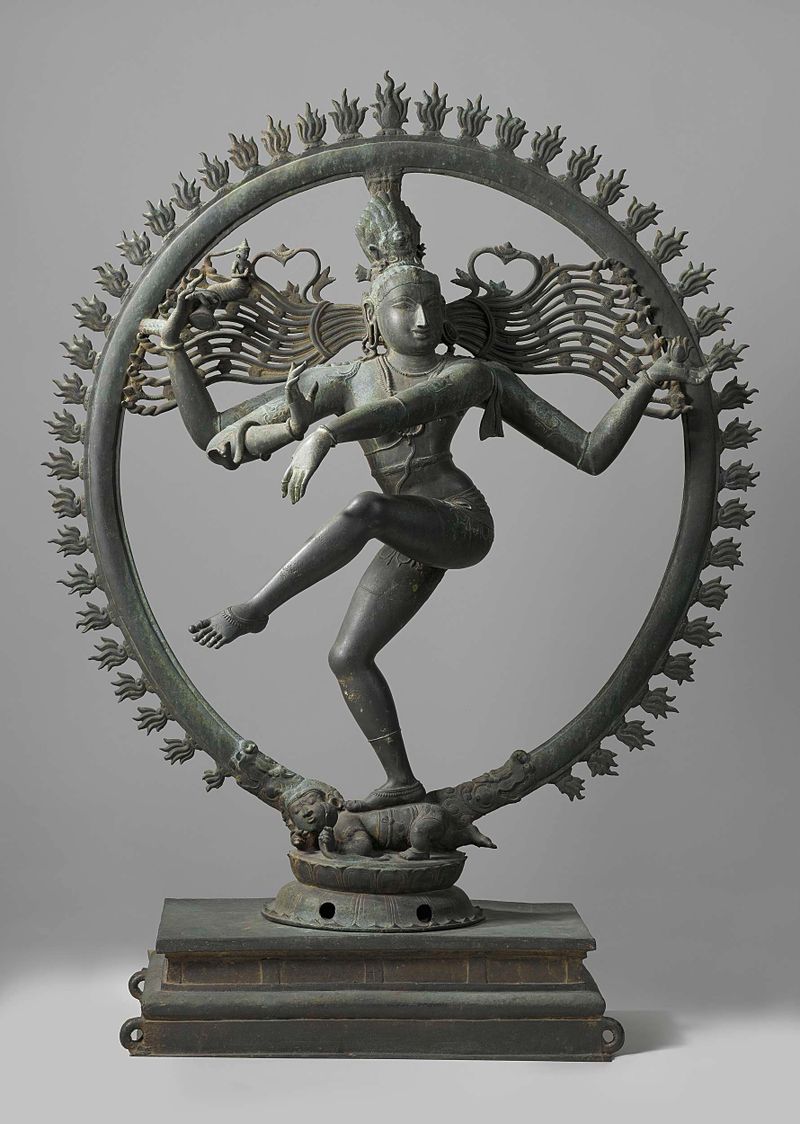
Shiva Nataraja
Unknown Artist
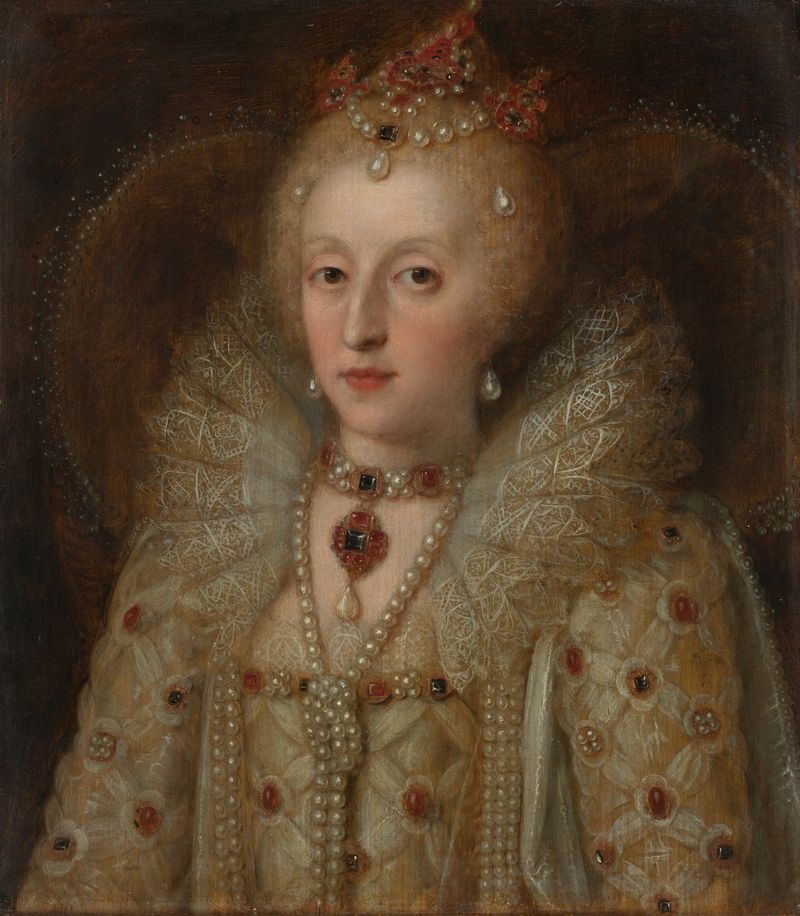
Portrait of Elizabeth I, Queen of England
Unknown Artist
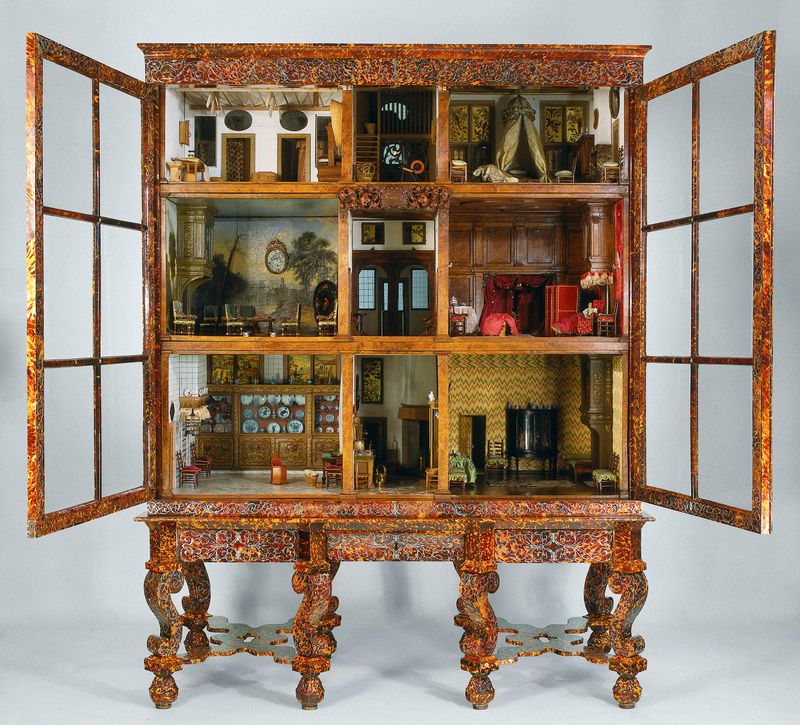
Dolls’ house of Petronella Oortman
Unknown Artist
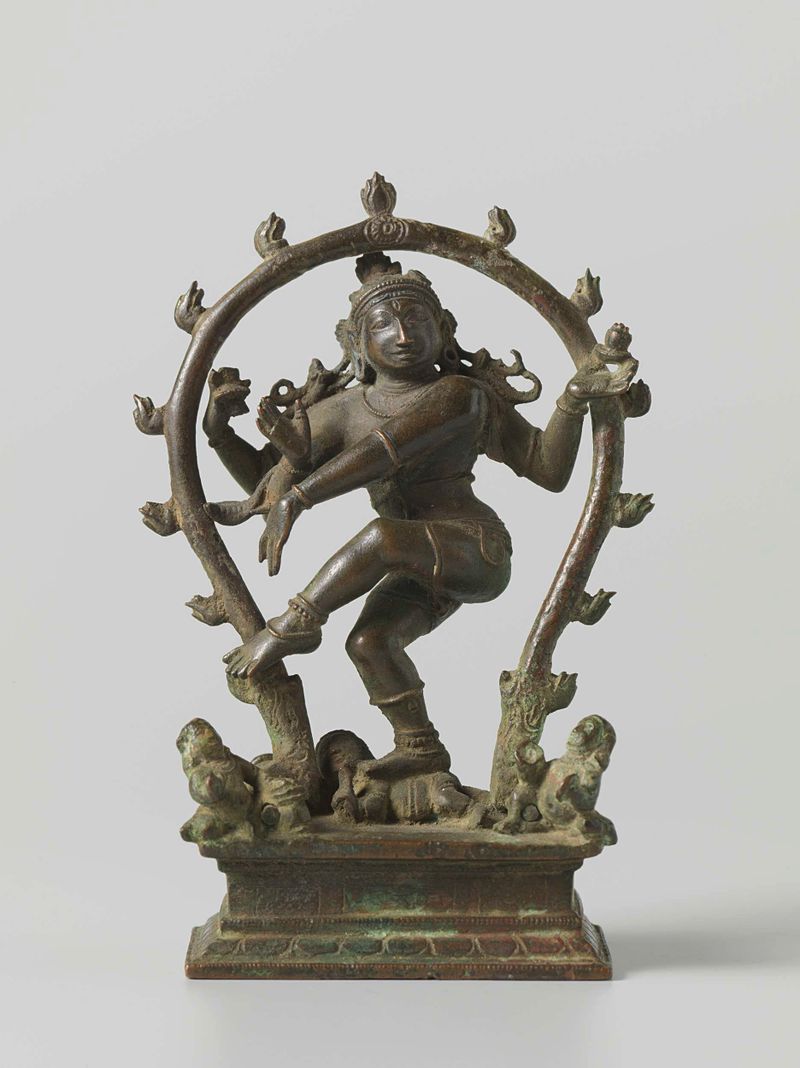
Shiva Nataraja
Unknown Artist

The Tale of Genji
Unknown Artist

The Tale of Genji
Unknown Artist

Cong
Unknown Artist
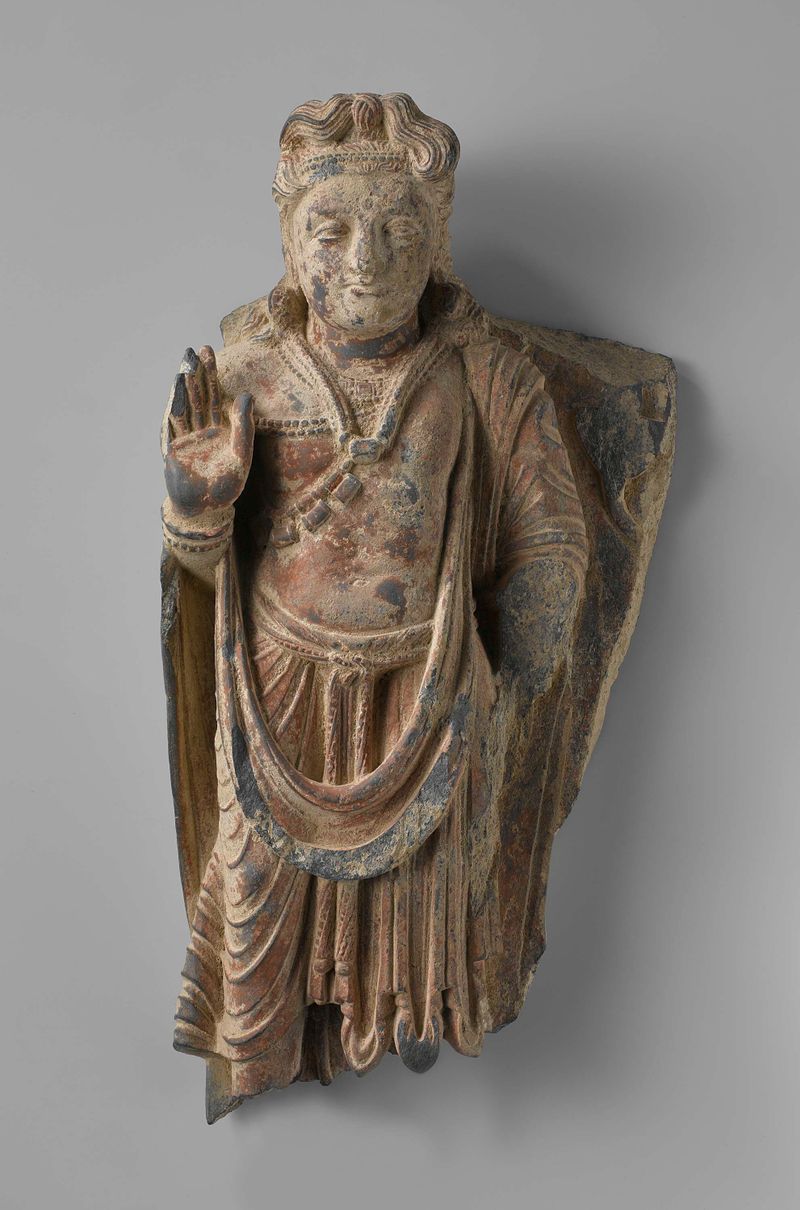
The bodhisattva Maitreya
Unknown Artist

Teabowl with a 'hare's fur' glaze
Unknown Artist