Lovers in Richmond Park — History & Facts
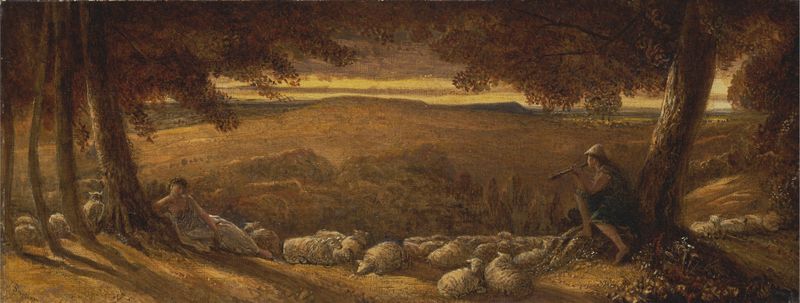
What if beauty was never meant to be finished? The whisper of an unfinished reflection lingers in the air, inviting us to ponder the fragility of love and time. Look to the left at the couple seated beneath the sprawling branches, their bodies slightly angled as if caught in a moment of shared intimacy. The painter's delicate strokes create a soft, inviting atmosphere, where the lush greens of the park contrast with the warm hues of their skin. The light filters through the leaves, casting dappled shadows that dance playfully upon their forms, urging the viewer to consider both the clarity and ambiguity of their connection. As you explore further, notice how their gazes, not quite meeting, speak volumes of unspoken words and hidden emotions.
The contrasting textures of their clothing hint at the complexity of their relationship; love is portrayed not just as a harmonious union but as an intricate tapestry of longing and uncertainty. The surrounding nature, vibrant yet tranquil, serves as a backdrop that mirrors their emotions, suggesting that beauty exists not only in the moment but also in the spaces left unfilled. Created during the mid-19th century, Lovers in Richmond Park reflects the intimate exploration of personal relationships in Victorian England. James Smetham painted this piece amidst a period of growing Romanticism, which sought to elevate emotion and individual experience in art.
This context reveals the artist’s intimate understanding of human connection, capturing both the allure and elusiveness of love in a moment that feels both timeless and transient.