
L’étang de Saint-Pierre, pêcheur et barques — History & Facts
Can paint confess what words never could? In L’étang de Saint-Pierre, pêcheur et barques, Henri Lebasque captures a serene yet turbulent moment that hints at deeper emotional undercurrents, inviting viewers to ponder the dichotomy of tranquility and violence inherent in nature. Look to the center of the canvas, where a fisherman stands poised with his rod, surrounded by slender boats bobbing gently upon the water's surface. The brushwork is fluid yet deliberate, with soft blues and greens melding into one another, creating a harmonious atmosphere. To your left, delicate reeds frame the scene, their gentle sway contrasting the rigidity of the fisherman's stance, while flecks of sunlight dance across the water, illuminating the subtle tension of his solitary endeavor. Beneath this tranquil exterior lies a complex interplay of emotions.
The stillness of the pond, punctuated by the fisherman’s focused presence, evokes a sense of quiet desperation; he battles not only against the fish but perhaps against isolation itself. The boats, peaceful yet vulnerable, serve as harbingers of a potential upheaval, reminiscent of the fragility of life within the seeming calm. This tension hints at the unseen struggles and the violence of nature that underpin the serenity of the moment. During the years between 1900 and 1906, Lebasque created this work in France, a period marked by artistic exploration and a shift towards Impressionism.
As he painted around the idyllic setting of Saint-Pierre, he was influenced by the emerging ideas of color theory and brushstroke techniques that sought to convey both light and emotion. This piece reflects not just his technical prowess but also a deep connection to the landscape, capturing a moment that speaks to the often-overlooked struggles of existence.
More Artworks by Henri Lebasque
Browse all →
Sur les bords de la Marne
Henri Lebasque

Le Jardin Fleuri
Henri Lebasque

Voiliers dans le port de Saint-Tropez
Henri Lebasque
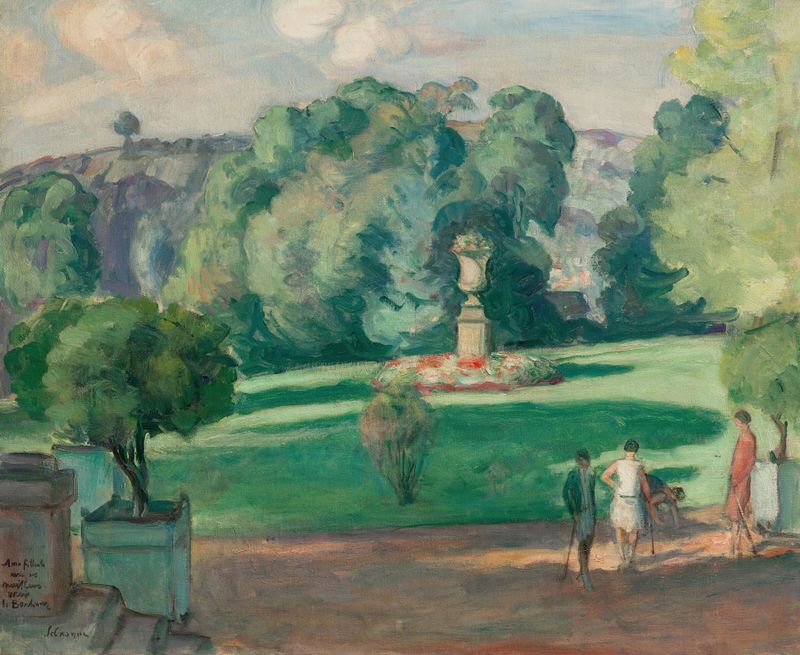
Joueurs de criket dans un parc
Henri Lebasque

Paysage de neige aux environs de Paris
Henri Lebasque
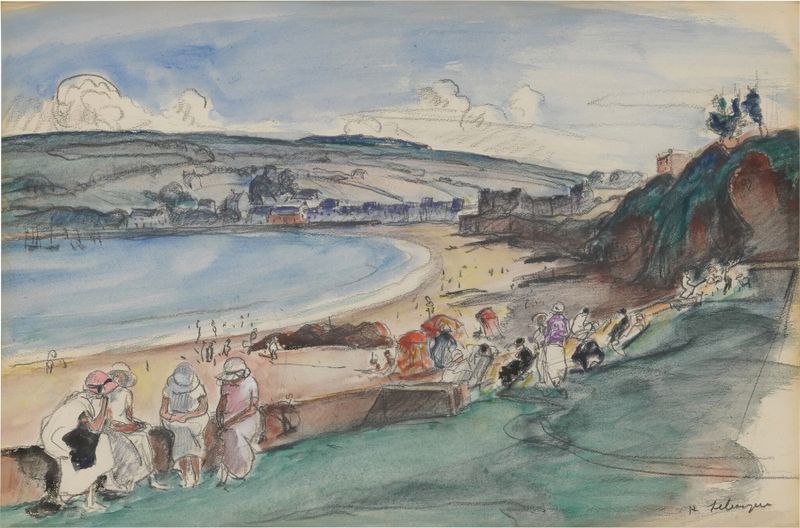
Paysage
Henri Lebasque

Jeunes Femmes Et Fillettes Dans Un Paysage
Henri Lebasque

Saint-Tropez, deux jeunes filles à la fontaine
Henri Lebasque

Le Repos sous les arbres
Henri Lebasque
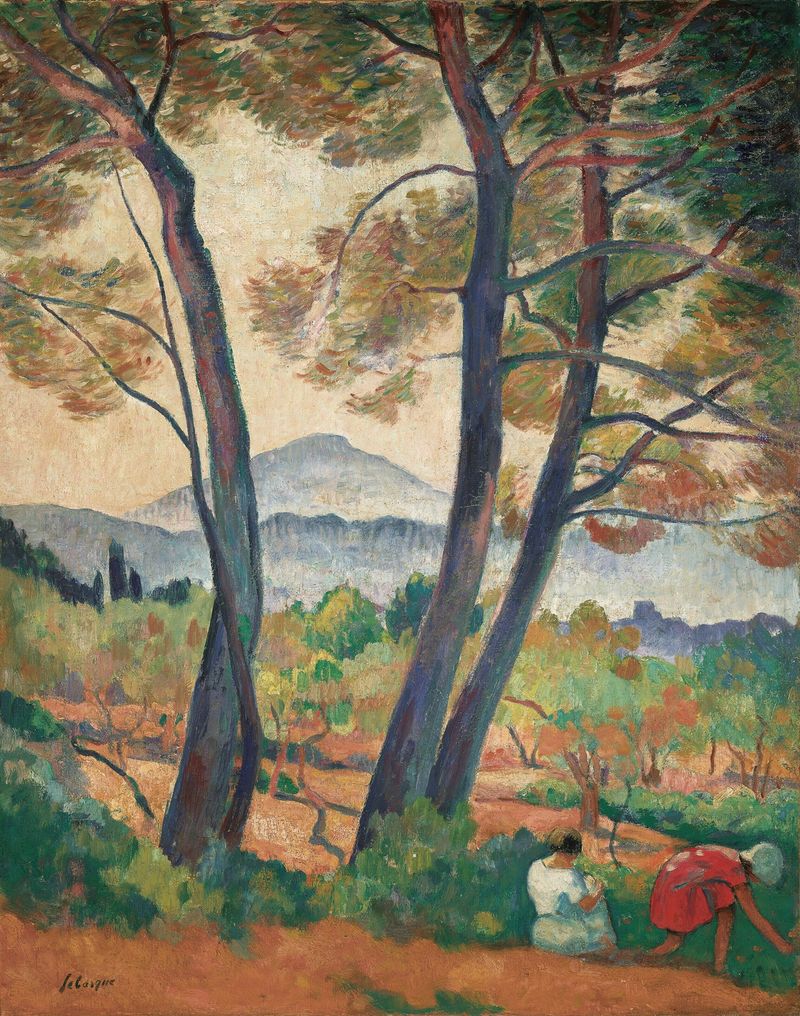
Sanary, vue sur le Cap Sicié
Henri Lebasque





