
Mahamayuri Vidyaraja — History & Facts
In the silence of the canvas, emptiness holds a powerful sway, echoing the void that resides in every fleeting moment of existence. Look to the vibrant hues that swirl around the center of the piece, where Mahamayuri Vidyaraja stands poised, embodying both grace and strength. The intricate details of the figure’s attire contrast sharply with the delicate, ethereal background, creating a sense of depth that draws the viewer in. Notice the subtle interplay of light and shadow, where golden tones illuminate specific features while leaving others shrouded in mystery, inviting contemplation on the nature of presence and absence. The posture of Mahamayuri Vidyaraja suggests protection and wisdom, yet her gaze harkens to a deeper emptiness, a reminder of impermanence.
The intricate motifs surrounding her may symbolize the transient beauty of life, each intricate pattern representing moments that are both full and void. This duality creates an emotional tension—between what is seen and what is felt, between richness and the void that underlies it all. This artwork was created during the Liao dynasty, specifically in the 11th century, a period marked by cultural fusion and artistic innovation in northern China. While specific details about the artist remain unknown, they produced this piece amidst a time of significant change and exchange, reflecting a society that balanced spiritual depth with the everyday world.
The era's artistic focus on Buddhist themes resonates powerfully in this portrayal, capturing a moment where the divine meets the transient nature of life.
More Artworks by Unknown Artist
Browse all →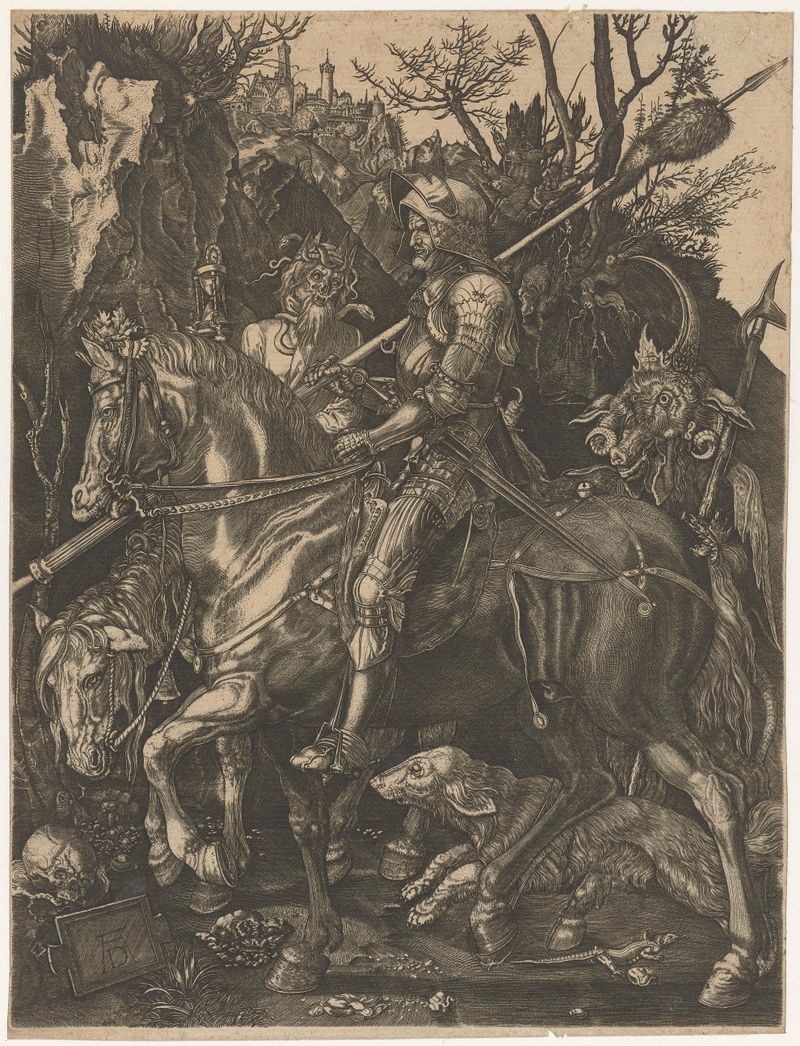
Ridder, Dood en Duivel
Unknown Artist
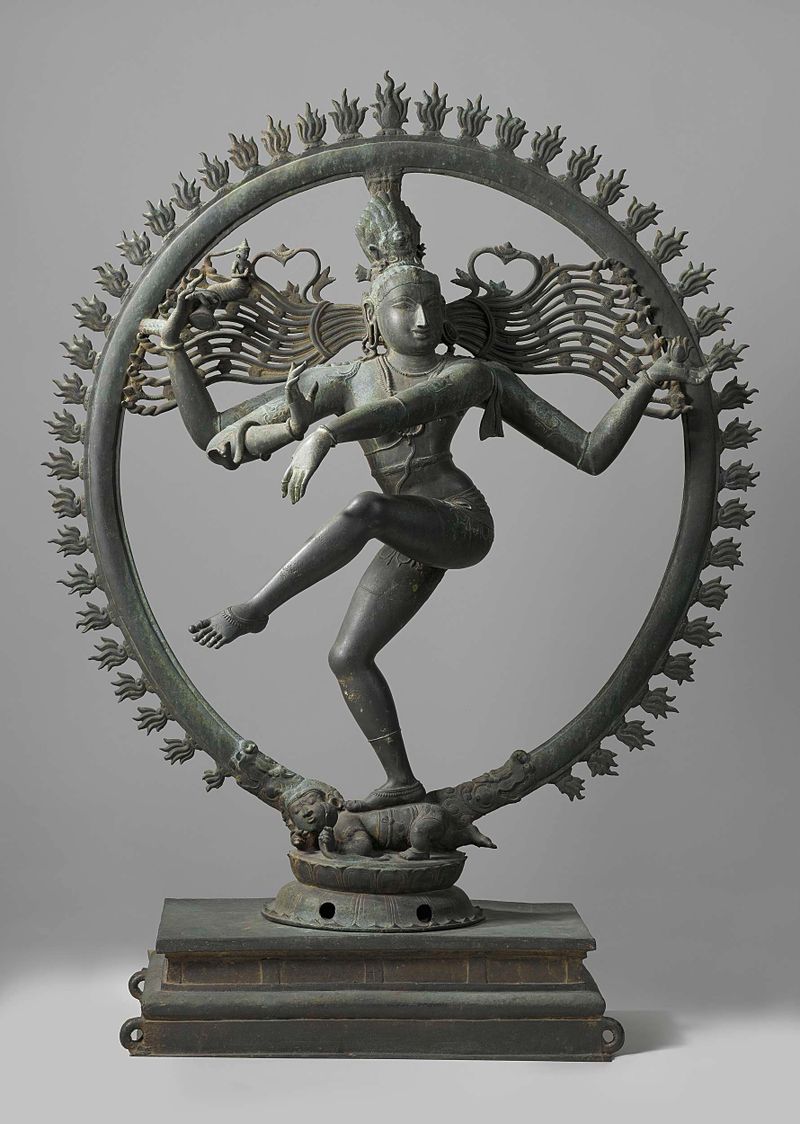
Shiva Nataraja
Unknown Artist
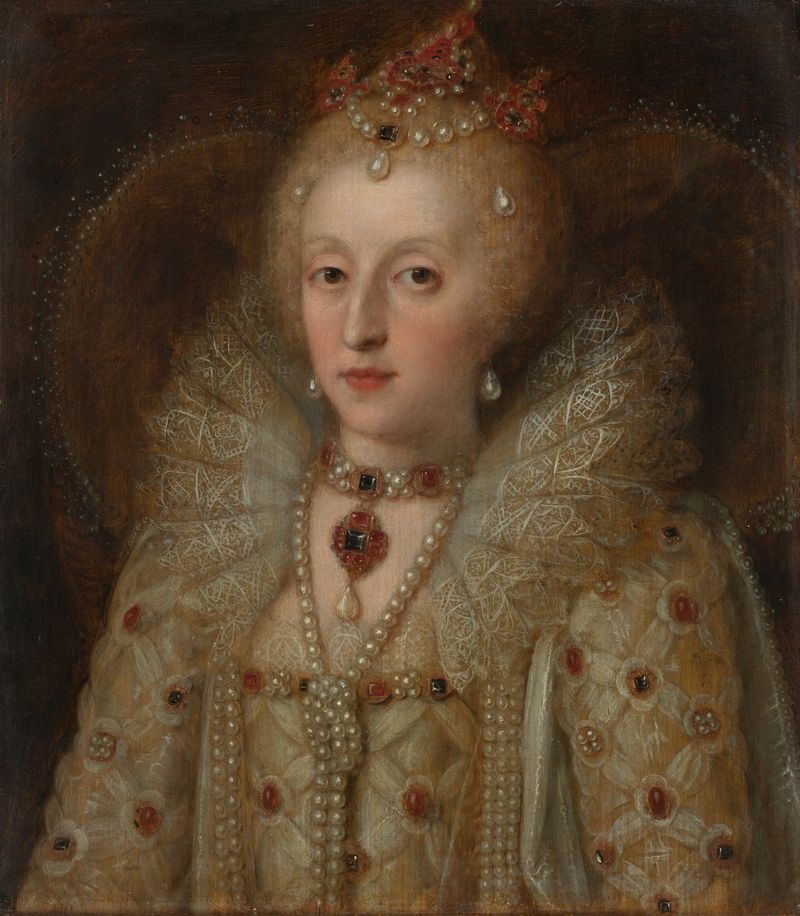
Portrait of Elizabeth I, Queen of England
Unknown Artist
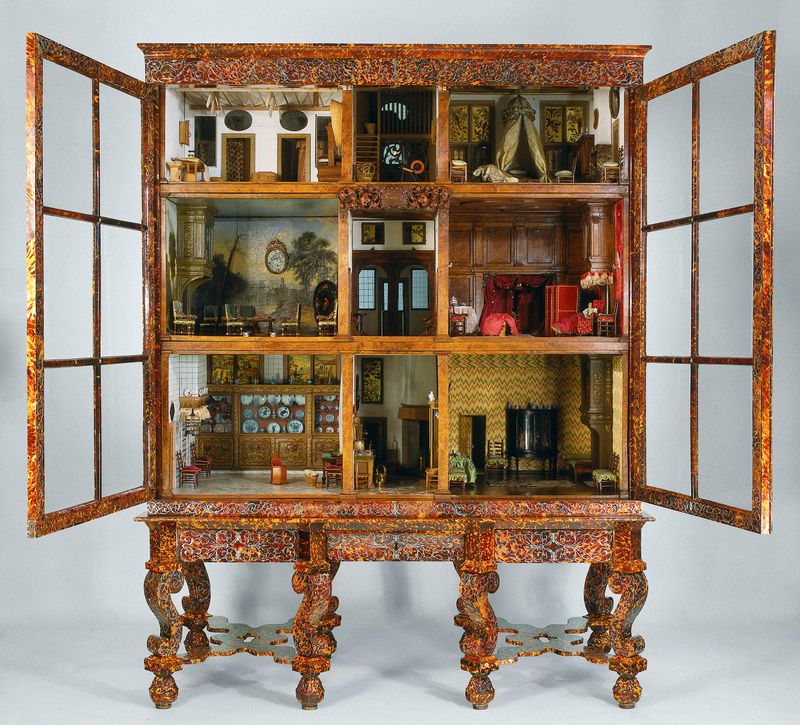
Dolls’ house of Petronella Oortman
Unknown Artist
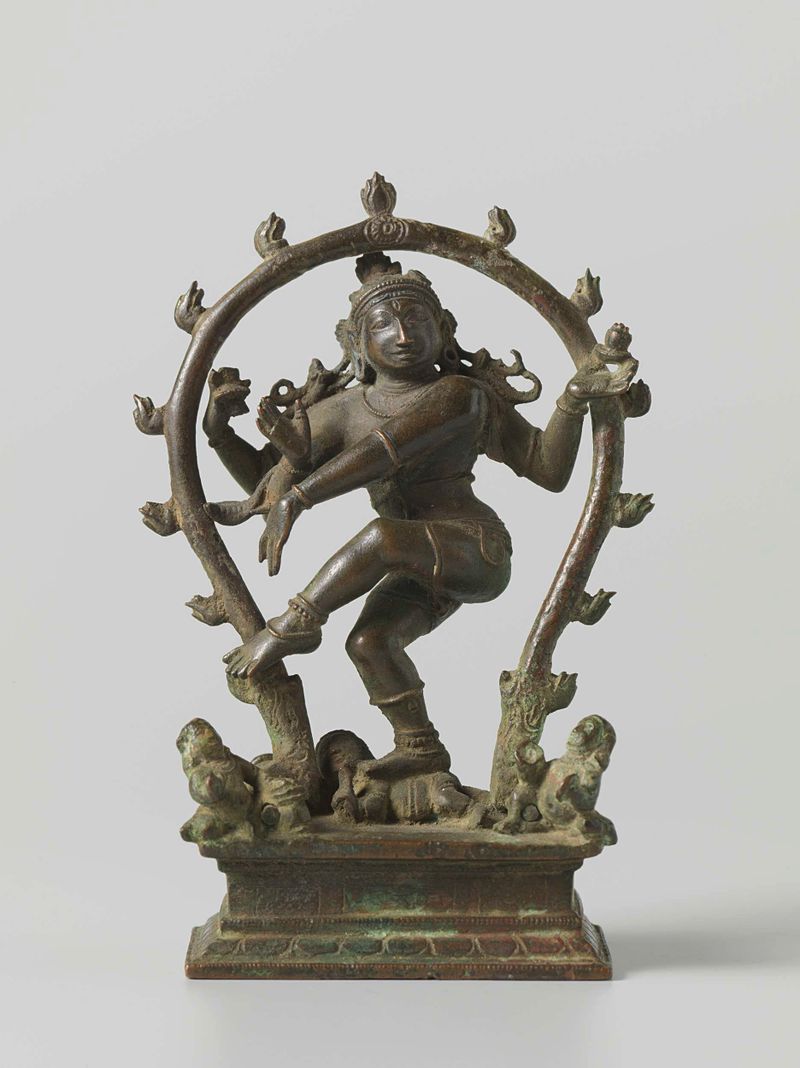
Shiva Nataraja
Unknown Artist

The Tale of Genji
Unknown Artist

The Tale of Genji
Unknown Artist

Cong
Unknown Artist
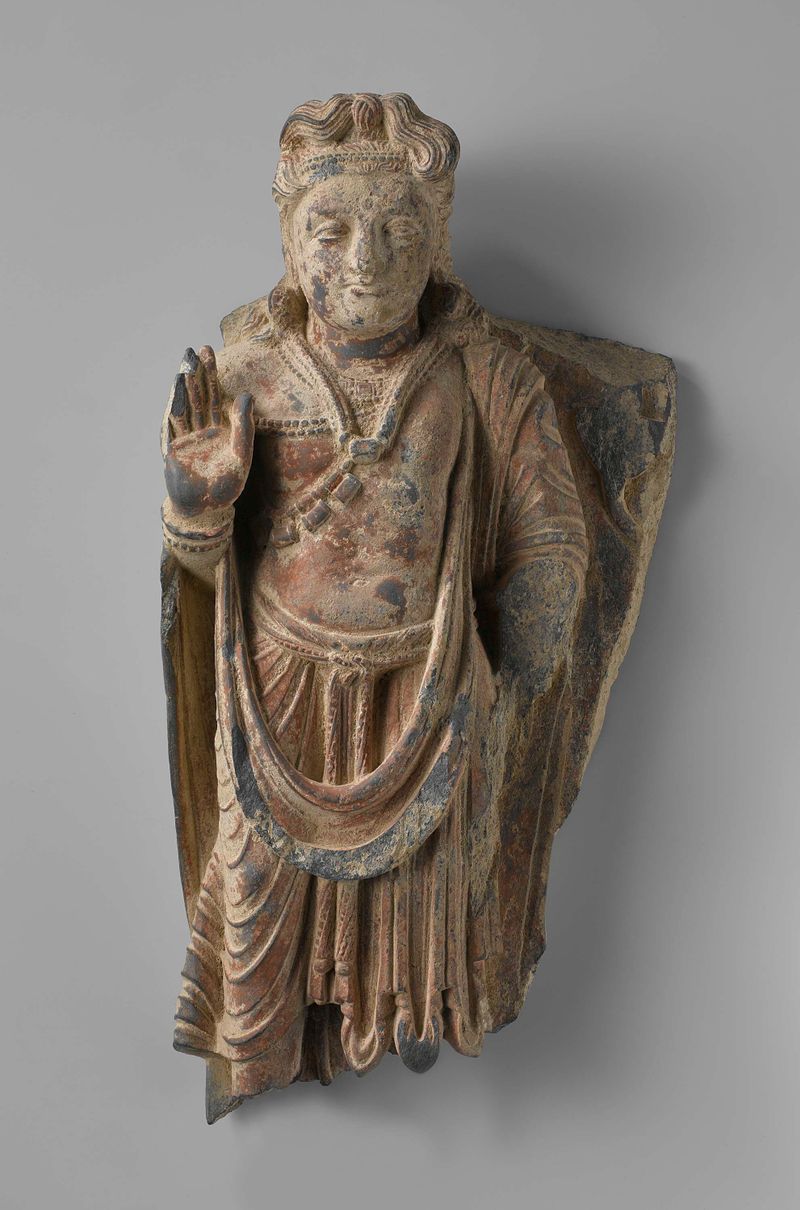
The bodhisattva Maitreya
Unknown Artist

Teabowl with a 'hare's fur' glaze
Unknown Artist
More Religious Art
Browse all →
The Return of the Prodigal Son
Rembrandt van Rijn

The Garden of Earthly Delights
El Bosco

Count Orgaz’ funeral
El Greco

The Hundred Guilder Print: the central piece with Christ preaching, the plate arched
Rembrandt van Rijn

The Descent from the Cross
Rogier van der Weyden

The return of the prodigal son
Rembrandt van Rijn