Maisema Korpilahdelta — History & Facts
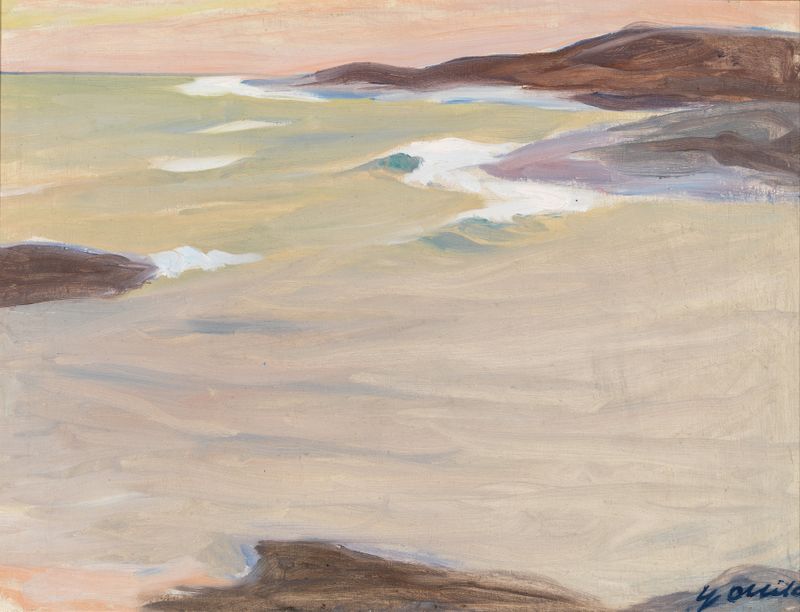
Could beauty survive in a century of chaos? This question lingers in the heart of Maisema Korpilahdelta, beckoning viewers to explore its serene landscape, a moment suspended in time, untouched by turmoil. Look to the center of the canvas, where soft greens and blues merge seamlessly in a tranquil lake, reflecting the gentle hues of the sky above. Notice how the artist employs delicate brushstrokes that capture the serene ripples of water, while darker shadows—wisps of trees and hills—frame the edges, creating a harmonious contrast. This thoughtful composition draws the eye inward, showcasing the delicate balance between light and dark, tranquility and mystery. Yet, beneath this calm exterior lies an undercurrent of emotional tension.
The shadows cast by the trees suggest a world beyond, hinting at the chaos that lurks in the periphery of beauty. The interplay between light and shadow evokes both solace and unease, reminding us that even in peaceful moments, history’s weight is never far away. The hidden depths in the foliage whisper stories of resilience, beckoning us to contemplate the layers of life that exist alongside stillness. In 1913, as Maisema Korpilahdelta was created, Yrjö Ollila was navigating a rapidly changing world marked by political upheaval and artistic evolution in Finland.
The country was on the brink of independence, and the art scene was grappling with national identity. This painting reflects not only the artist’s deep connection to the Finnish landscape but also a yearning for beauty amidst the uncertainties of a new century.