Marble Falls — History & Facts
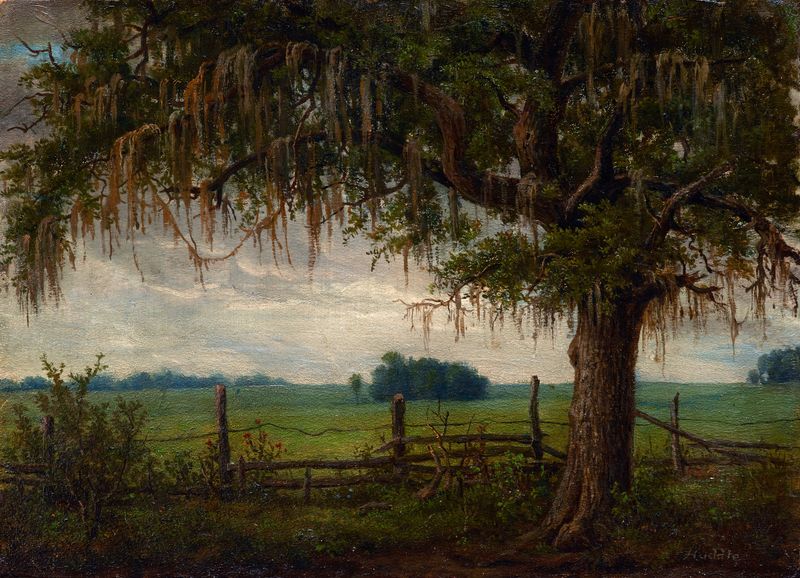
In the quiet embrace of decay, we find the remnants of beauty, whispers of a once-vibrant life that now exists in stillness. Focus on the abandoned structures nestled within a landscape of muted greens and browns. Look closely at the weathered walls, their texture revealing years of wear; the painter's brush has captured the essence of time’s passage with meticulous detail. Notice the interplay of light and shadow that dances across the scene, illuminating the crumbling stone while shrouding parts of the canvas in mystery.
This contrast serves as a poignant reminder of both the fragility and resilience of nature. Hidden beneath the surface lies a layered narrative of transience and nostalgia. The dilapidated buildings speak of forgotten stories, evoking an emotional tug that blends melancholy with a sense of reverence for the past. The surrounding flora, though overgrown, emerges triumphantly, illustrating nature’s persistent reclamation of space once dominated by human endeavor.
This duality of decay and renewal encapsulates the essence of existence itself—a poignant reflection on what remains after the passage of time. In 1885, during a period marked by industrial growth and societal change, the artist found inspiration in the rural American landscape. Living and working in Pennsylvania, he sought to capture the intersection of nature and the remnants of human life. It was a time when artists began to embrace themes of realism, exploring the complexities of an evolving world, yet also paying homage to the beauty found in abandonment and decay.