
Maria Magdalena — History & Facts
Where does light end, and longing begin? In the delicate convergence of ecstasy and despair, the essence of the divine pulses through every brushstroke. Begin your journey by focusing on the luminous face of the figure, cast in a soft, ethereal glow that seems to transcend the canvas. Notice how the light falls upon her features, illuminating her eyes that speak volumes of longing and devotion. The gentle drapery of her clothing, masterfully rendered in deep reds and muted earth tones, creates a striking contrast, drawing your gaze toward her expressive hands, which cradle an alabaster vessel — a potent symbol of her sacred mission. Within the composition lies a poignant duality: the tension between earthly desire and spiritual ascension.
The figure's expression, a union of rapture and sorrow, invites contemplation on the nature of faith and the human condition. Rich textures invite touch, while the play of shadow hints at the unseen, suggesting that what is felt is often more powerful than what is observed. The overall effect is a powerful reminder of the ecstatic moments that intertwine the sacred and the profane. Created between 1490 and 1510, this masterpiece emerged during the Northern Renaissance, a period marked by heightened religious fervor and artistic innovation.
The unidentified artist, operating in a time of profound spiritual exploration, infused this work with emotional depth, reflecting both the cultural zeitgeist and the personal struggles of their era. The painting serves as a testament to the enduring human quest for connection with the divine.
More Artworks by Unknown Artist
Browse all →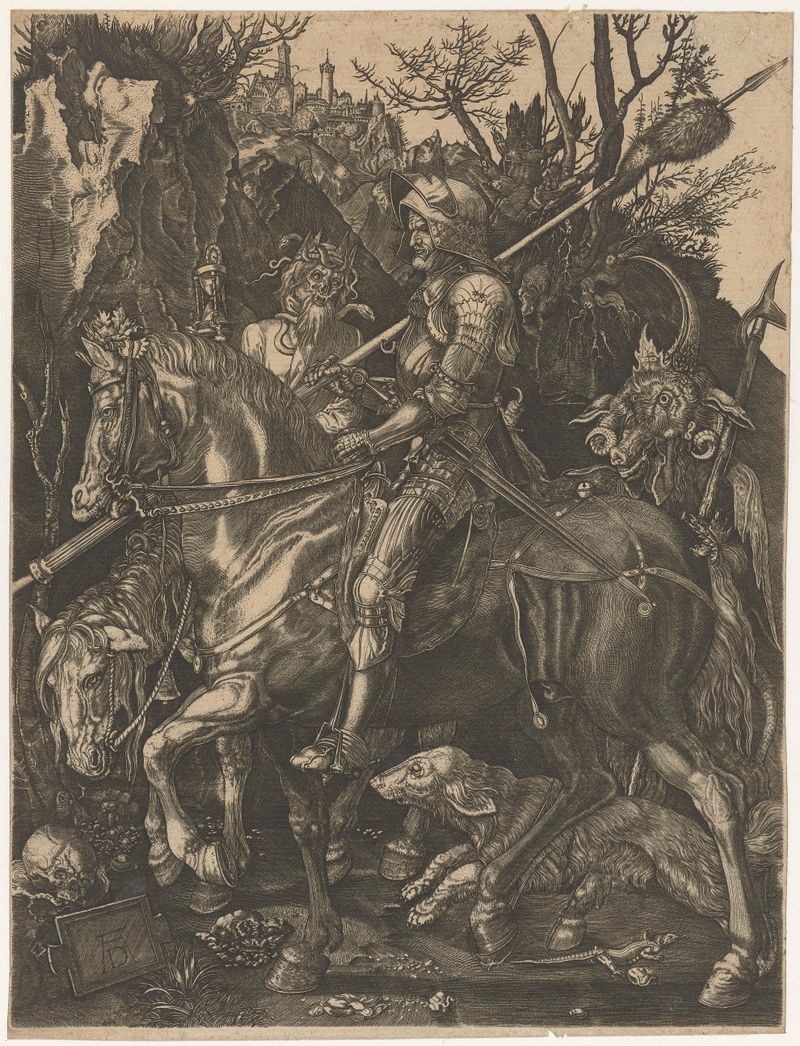
Ridder, Dood en Duivel
Unknown Artist
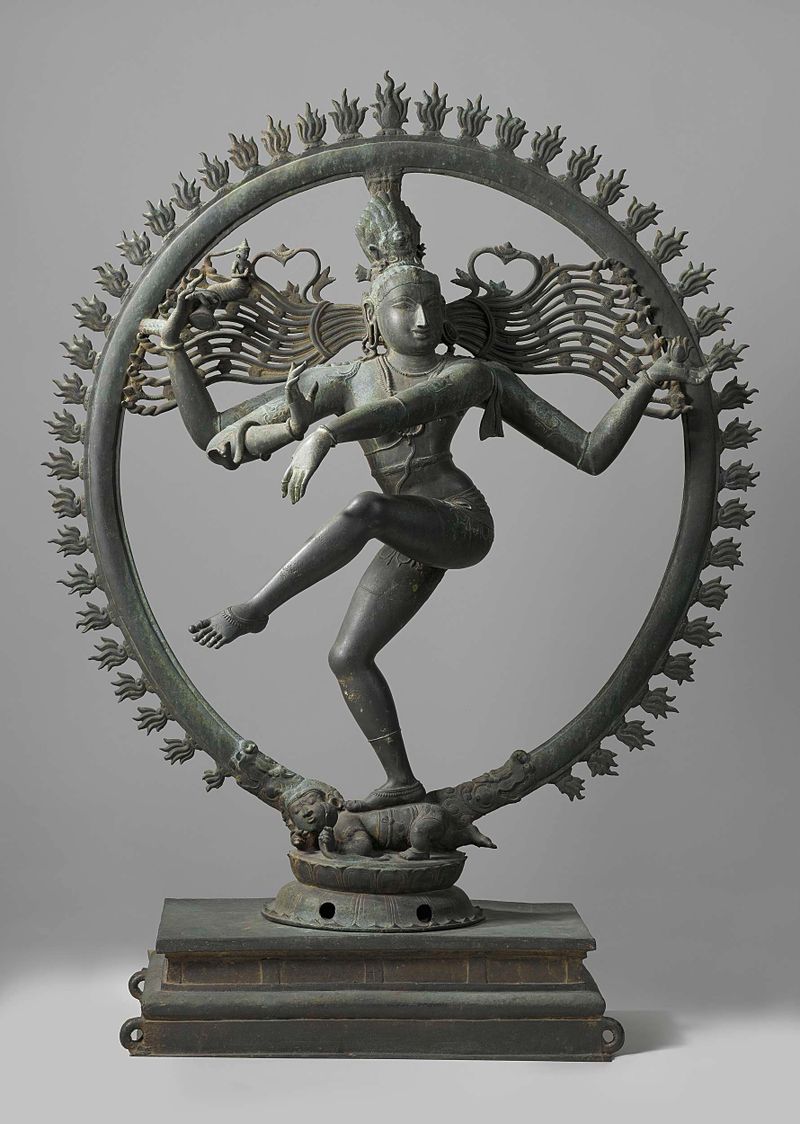
Shiva Nataraja
Unknown Artist
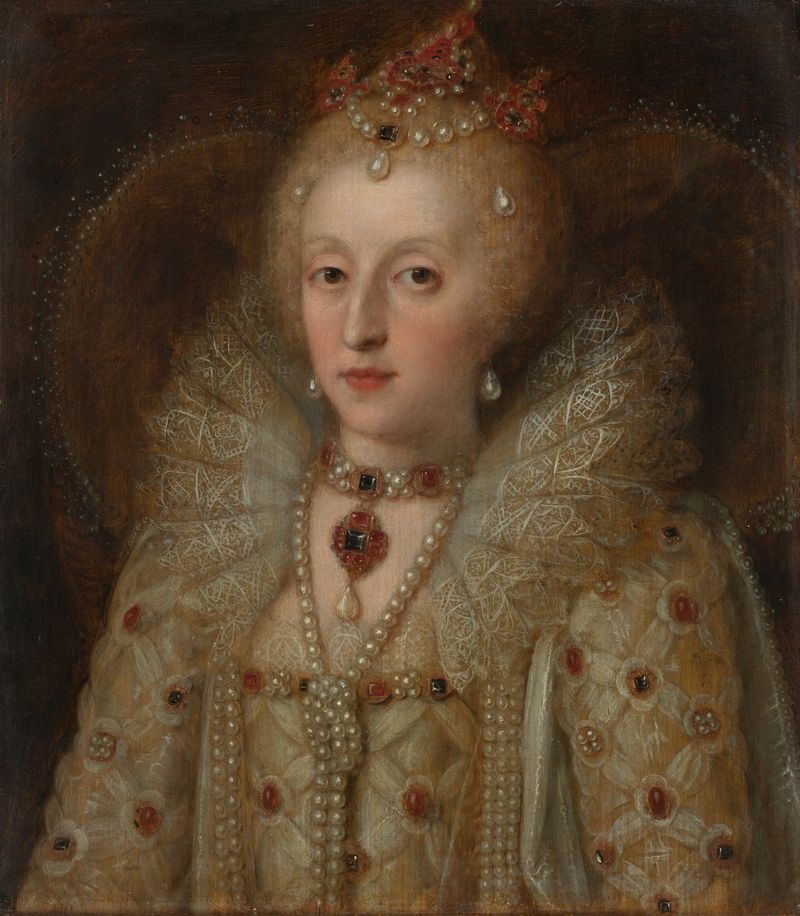
Portrait of Elizabeth I, Queen of England
Unknown Artist
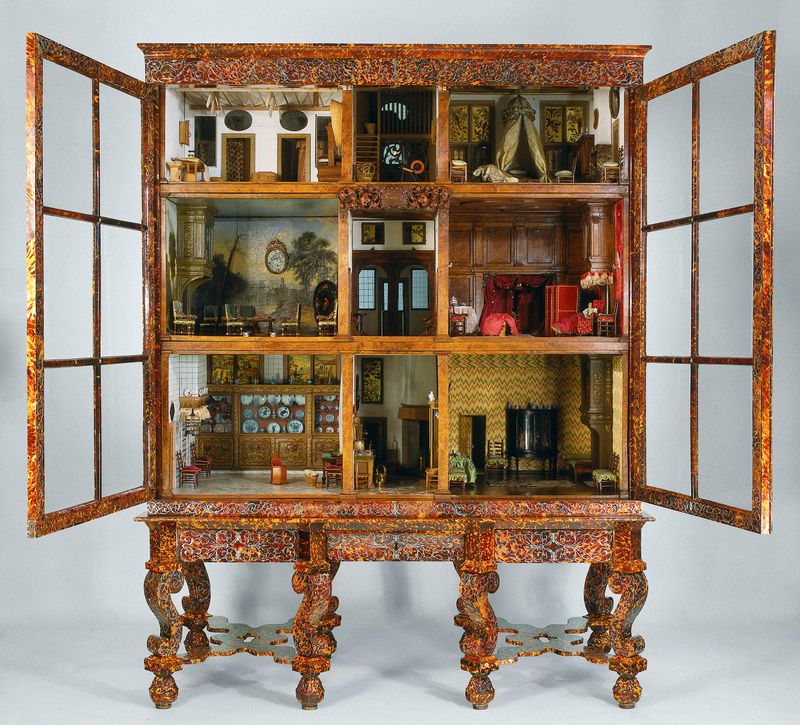
Dolls’ house of Petronella Oortman
Unknown Artist
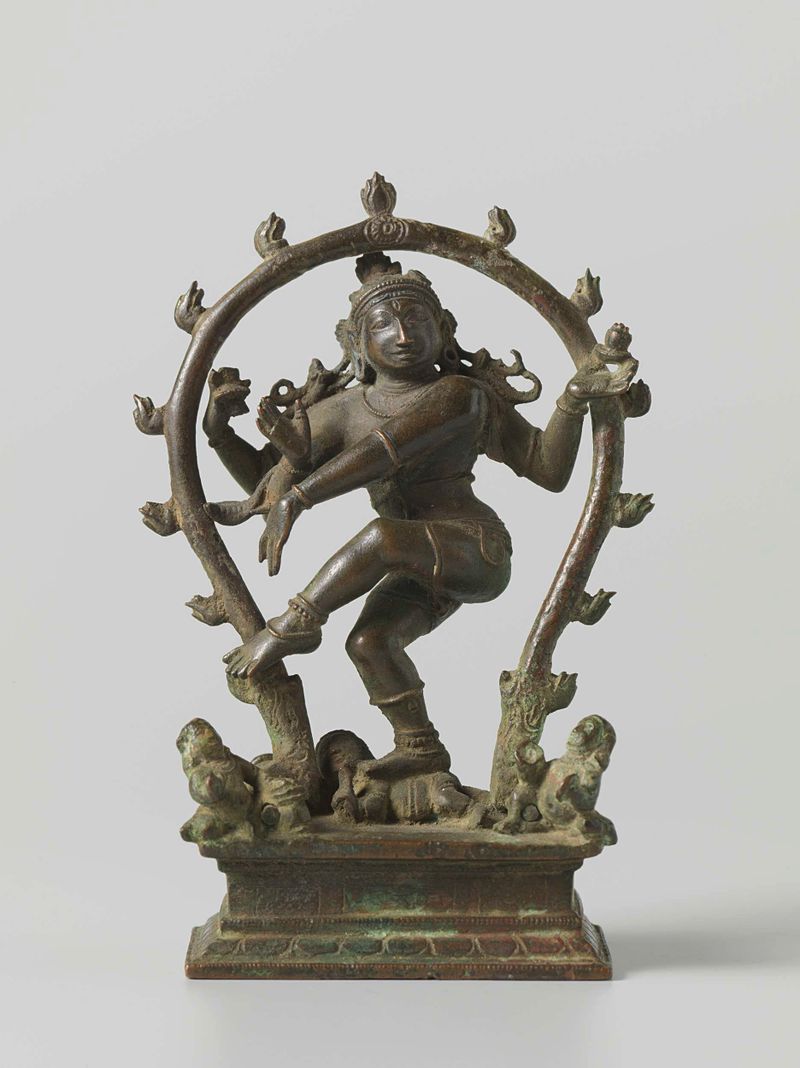
Shiva Nataraja
Unknown Artist

The Tale of Genji
Unknown Artist

The Tale of Genji
Unknown Artist
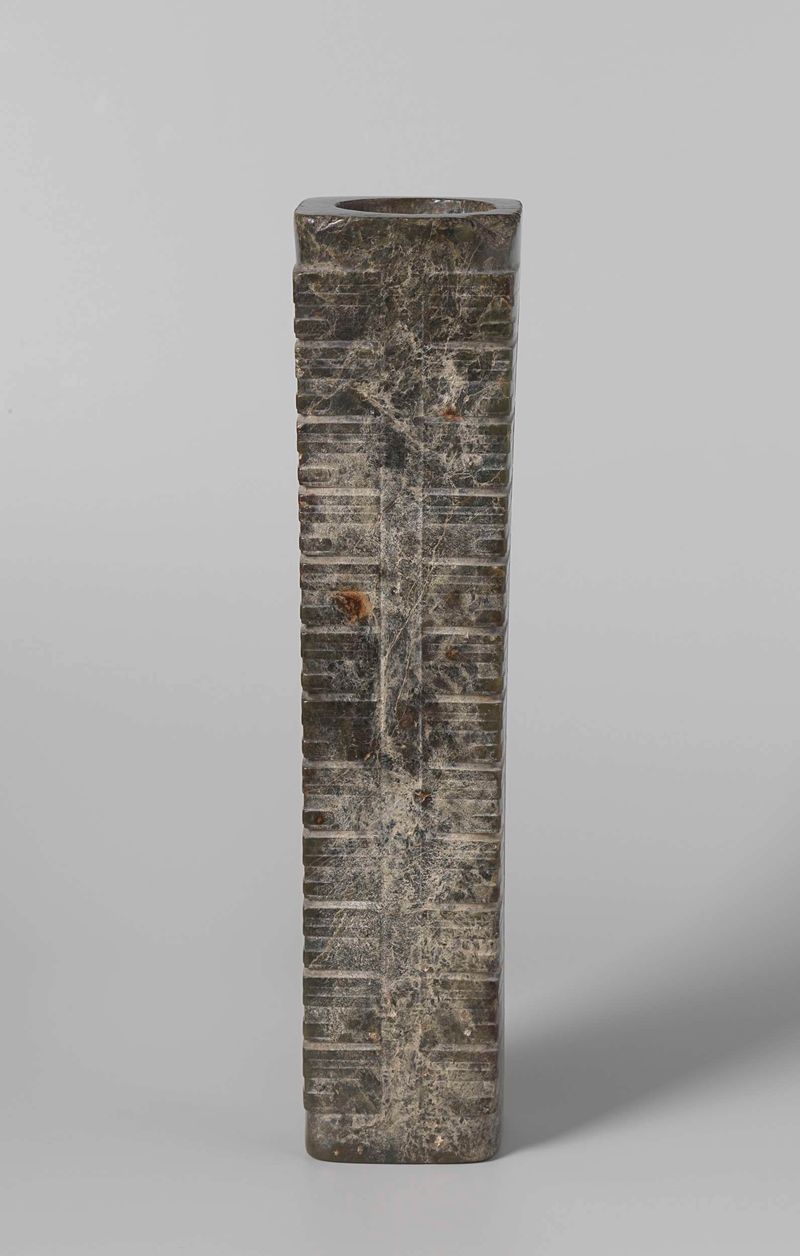
Cong
Unknown Artist
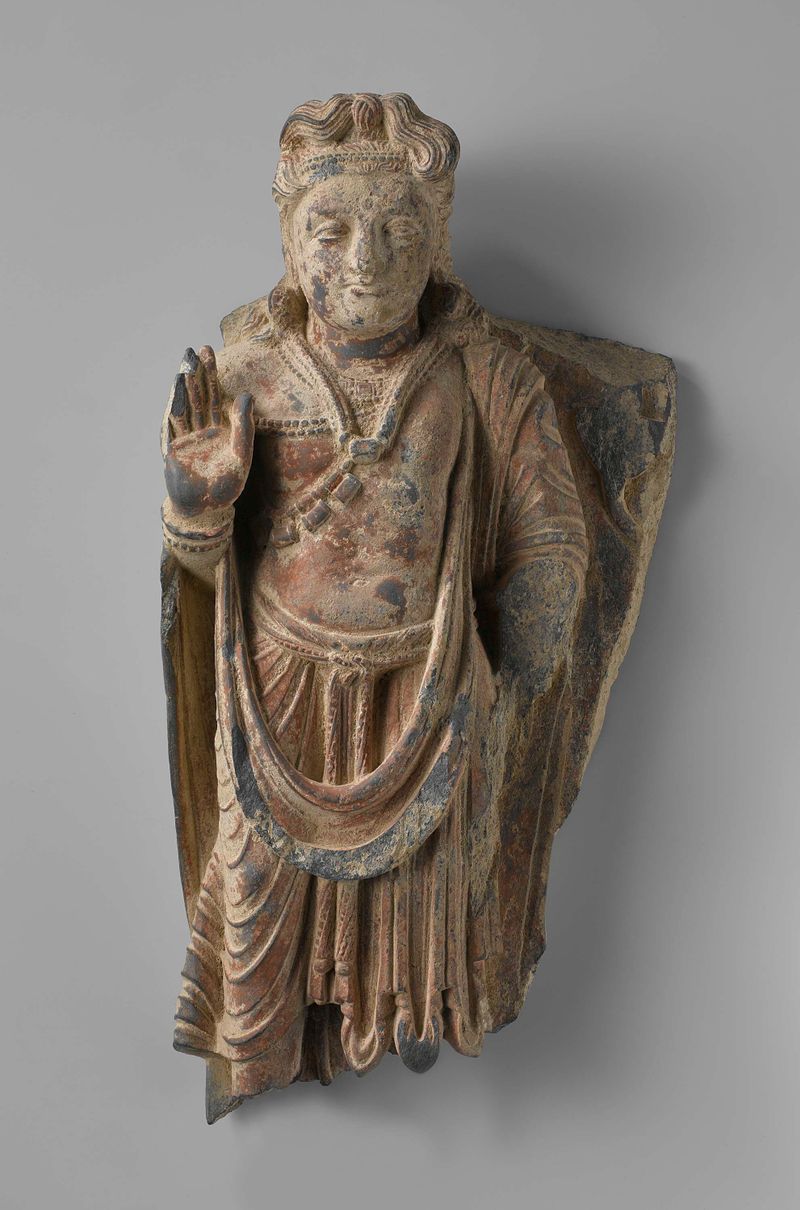
The bodhisattva Maitreya
Unknown Artist

Teabowl with a 'hare's fur' glaze
Unknown Artist
More Religious Art
Browse all →
The Return of the Prodigal Son
Rembrandt van Rijn

The Garden of Earthly Delights
El Bosco

Count Orgaz’ funeral
El Greco

The Hundred Guilder Print: the central piece with Christ preaching, the plate arched
Rembrandt van Rijn

The Descent from the Cross
Rogier van der Weyden

The return of the prodigal son
Rembrandt van Rijn