
Maria met kind op de maansikkel — History & Facts
In the stillness of this unknown artist's masterpiece, the depths of emptiness resonate profoundly, inviting contemplation on the nature of existence and connection. Look to the vibrant colors that cradle the figures, contrasting the serene blue of the celestial background with the delicate flesh tones of the child and the Virgin. Notice how the gentle light bathes their faces, enhancing the soft expressions that convey a blend of tenderness and solemnity. The crescent moon cradles them, imbuing the scene with a sense of otherworldliness, as if time has paused, allowing the viewer a fleeting glimpse of sacred intimacy. Within this composition lies a poignant juxtaposition of life and solitude.
While the figures are enveloped in a luminous embrace, the vastness surrounding them evokes a profound isolation, suggesting that profound love often exists within the silence of longing. The subtle detailing in their gestures—the Virgin’s protective hold and the child’s serene innocence—heightens the emotional tension, reflecting not just joy but the profound weight of responsibility and the fragility of life. Created between 1497 and 1501, this piece emerged during a time of profound change in Europe, where art was beginning to shift from the stylized forms of the late Middle Ages to a more humanistic approach. The artist, whose identity remains shrouded in mystery, contributed to the burgeoning movement of the Renaissance, a period marked by explorations of human emotion and the divine, paving the way for future artists to delve deeper into the human condition.
More Artworks by Unknown Artist
Browse all →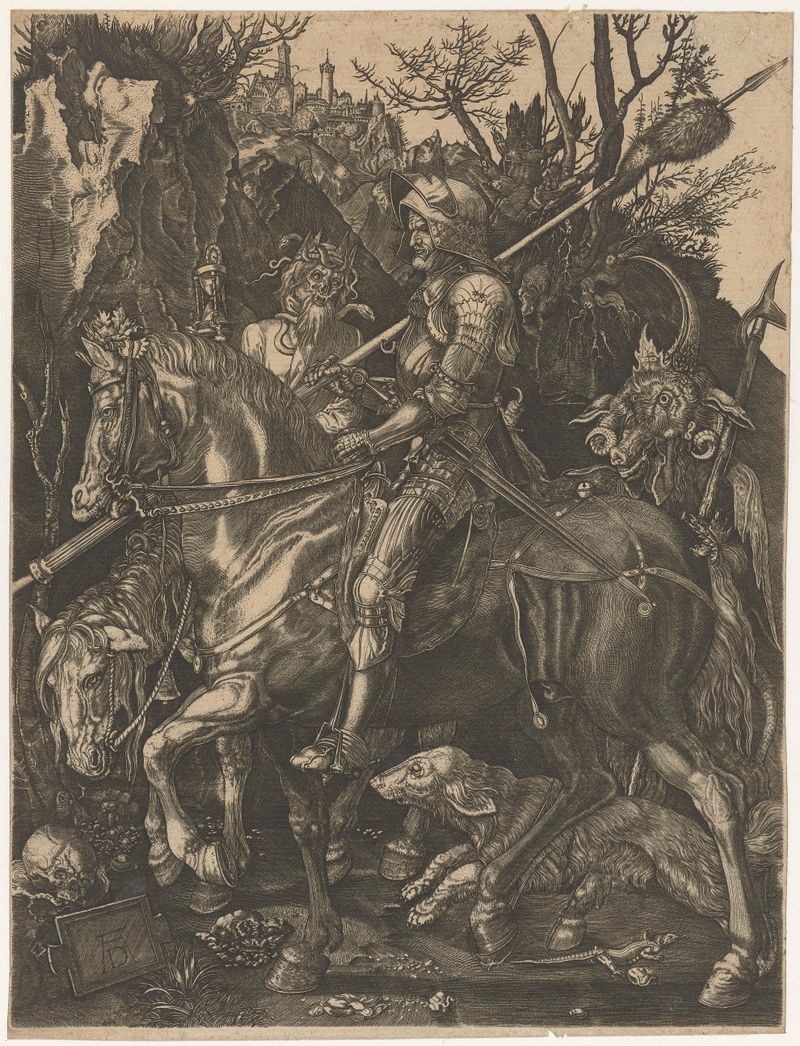
Ridder, Dood en Duivel
Unknown Artist
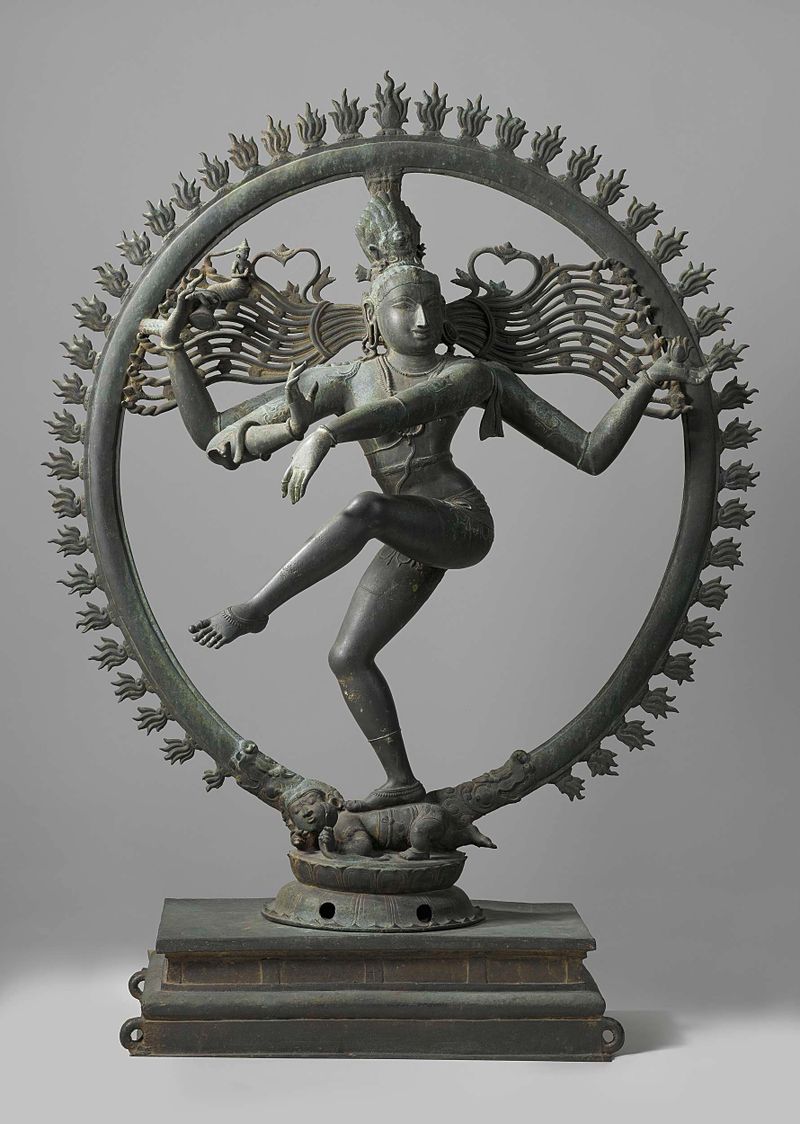
Shiva Nataraja
Unknown Artist
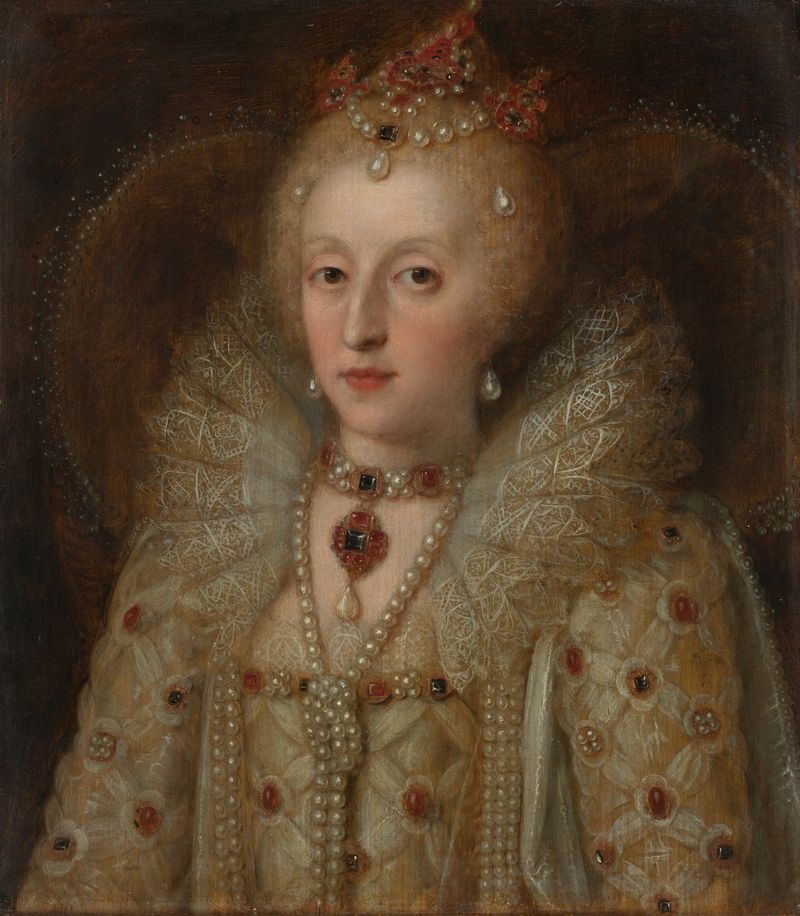
Portrait of Elizabeth I, Queen of England
Unknown Artist
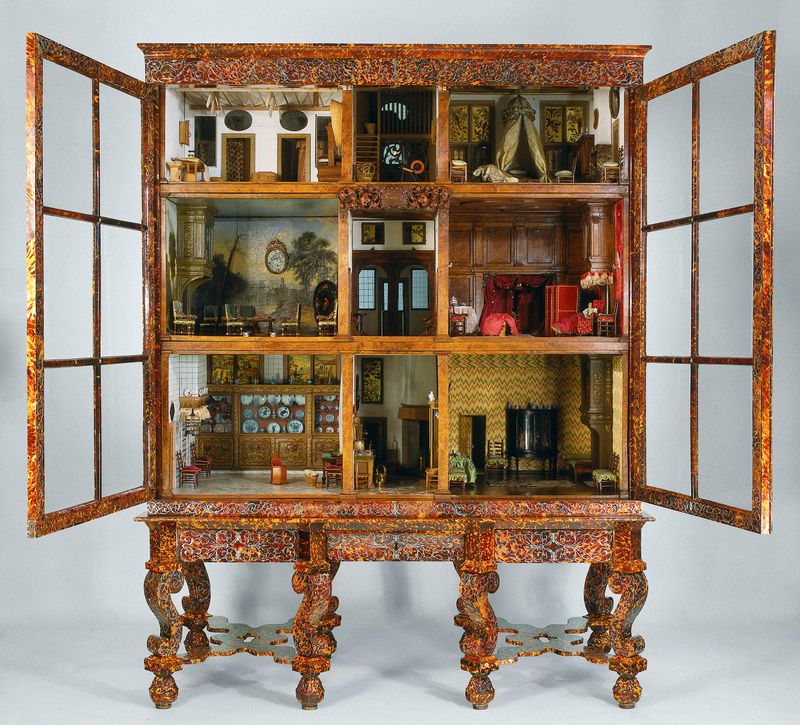
Dolls’ house of Petronella Oortman
Unknown Artist
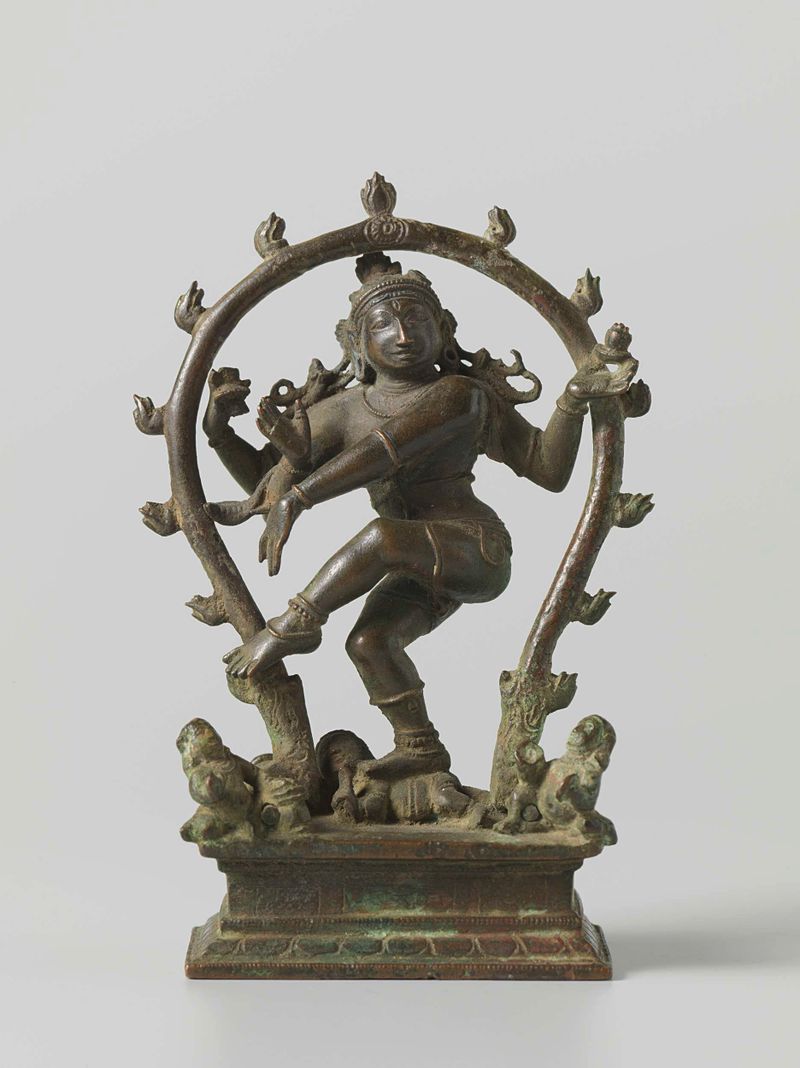
Shiva Nataraja
Unknown Artist

The Tale of Genji
Unknown Artist

The Tale of Genji
Unknown Artist
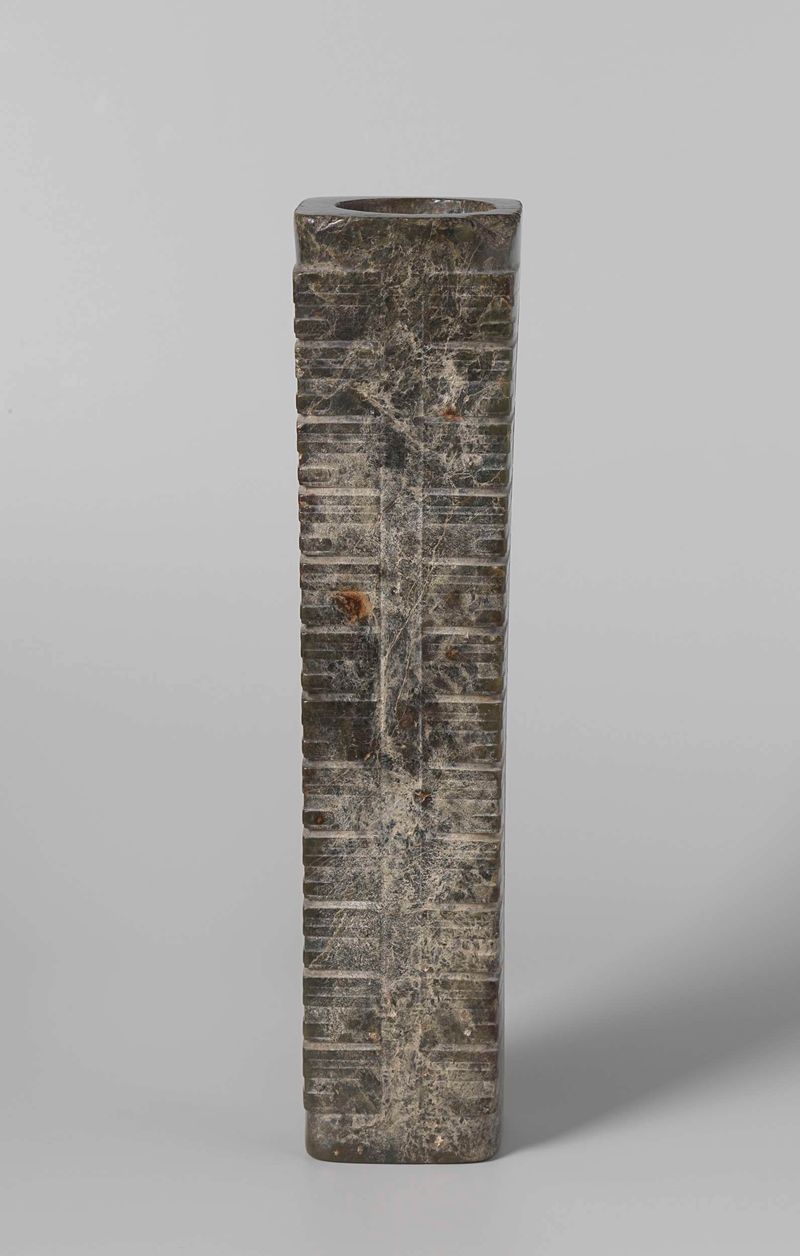
Cong
Unknown Artist
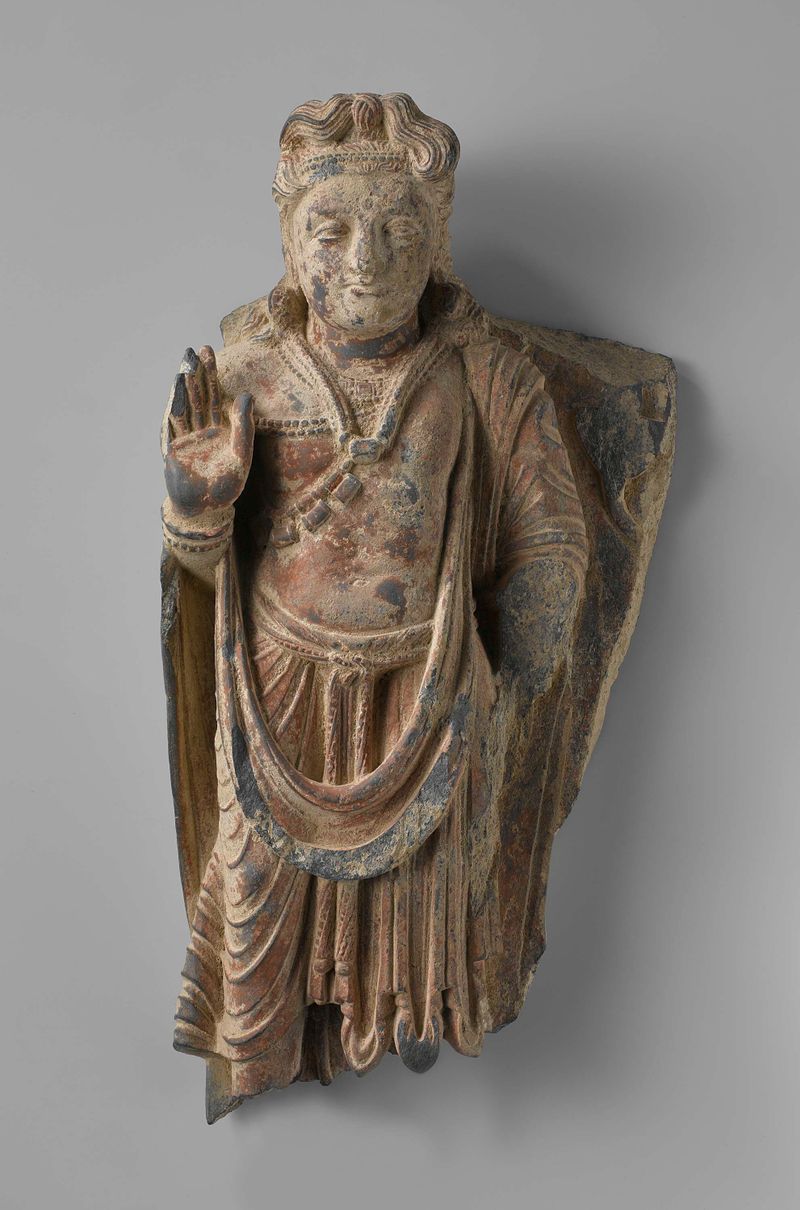
The bodhisattva Maitreya
Unknown Artist
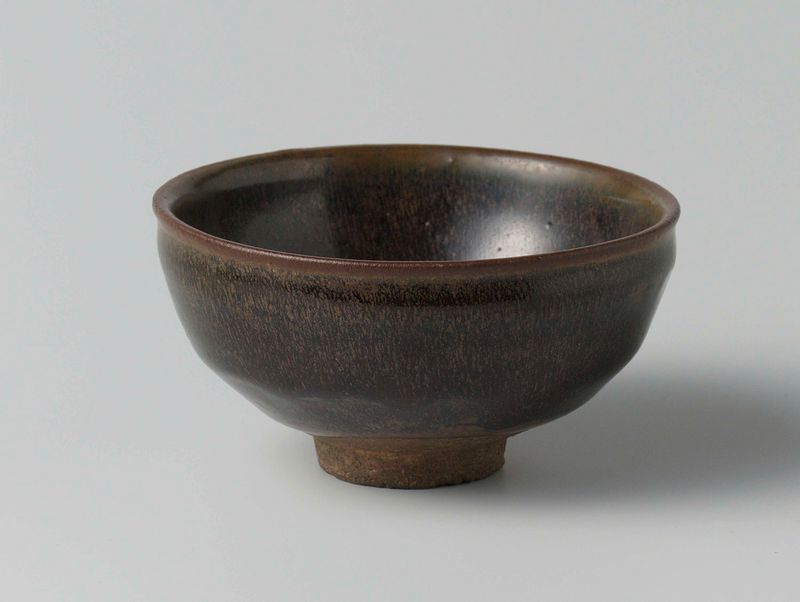
Teabowl with a 'hare's fur' glaze
Unknown Artist
More Religious Art
Browse all →
The Return of the Prodigal Son
Rembrandt van Rijn

The Garden of Earthly Delights
El Bosco

Count Orgaz’ funeral
El Greco

The Hundred Guilder Print: the central piece with Christ preaching, the plate arched
Rembrandt van Rijn

The Descent from the Cross
Rogier van der Weyden

The return of the prodigal son
Rembrandt van Rijn