
Mary Magdalene — History & Facts
Did the painter know this moment would outlive them? In this exquisite depiction, a solitary figure appears, embodying both the weight of sorrow and the light of redemption. Look to the left at the soft glow that envelops Mary Magdalene, her face illuminated by an ethereal light that seems to emanate from within. The deep, rich hues of her robe contrast sharply with the radiant highlights, drawing the viewer’s gaze to her contemplative expression. Notice how the delicate details of her flowing hair cascade down her shoulders, entwining with the stillness of the setting.
The compositional balance and use of chiaroscuro create a palpable tension, inviting us to share in her quiet moment of reflection. Beneath the surface lies a profound exploration of duality—grief and grace, past and present. The artist captures Magdalene at the crossroads of despair and hope, with subtle gestures and the positioning of her hands suggesting a yearning for understanding and connection. The faint suggestion of the background hints at a world beyond her reach, amplifying her isolation while simultaneously emphasizing her strength in vulnerability. This artwork, painted around 1520, comes from an era rich with religious upheaval and the burgeoning Renaissance spirit.
The unknown artist likely navigated a world where faith was both a refuge and a source of conflict, reflecting the broader shifts in society. As such, this portrayal of Mary Magdalene resonates beyond its canvas, inviting contemplation about the complexities of human experience during a transformative time in art history.
More Artworks by Unknown Artist
Browse all →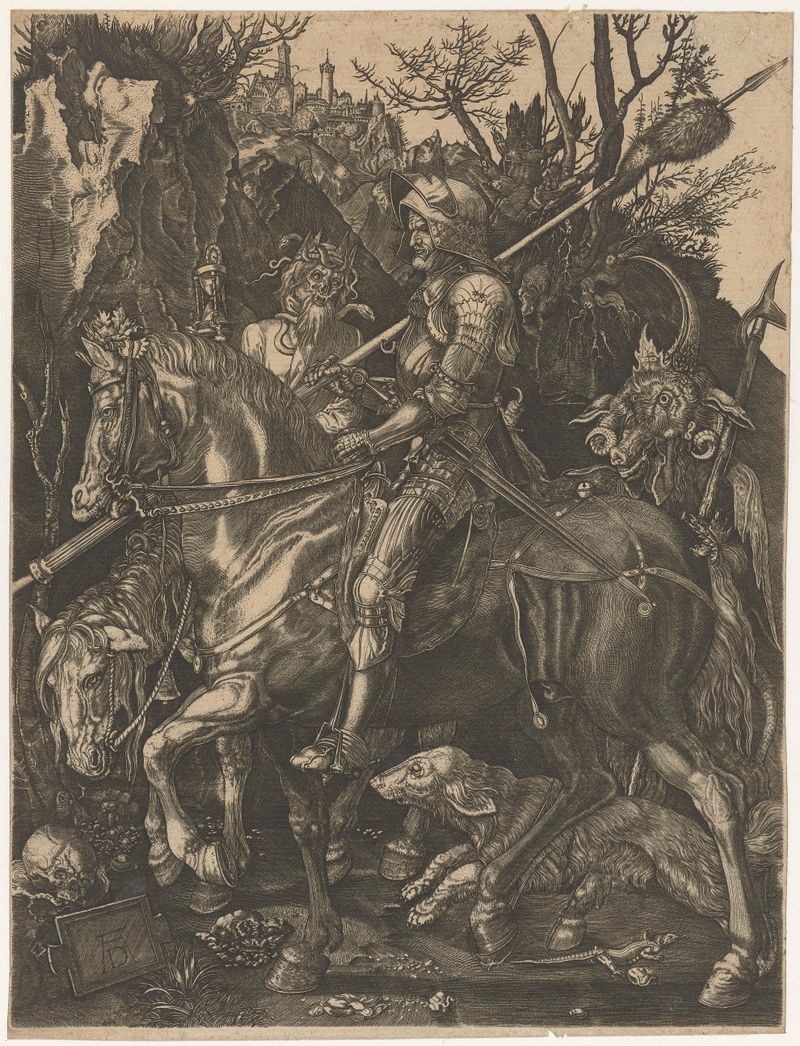
Ridder, Dood en Duivel
Unknown Artist
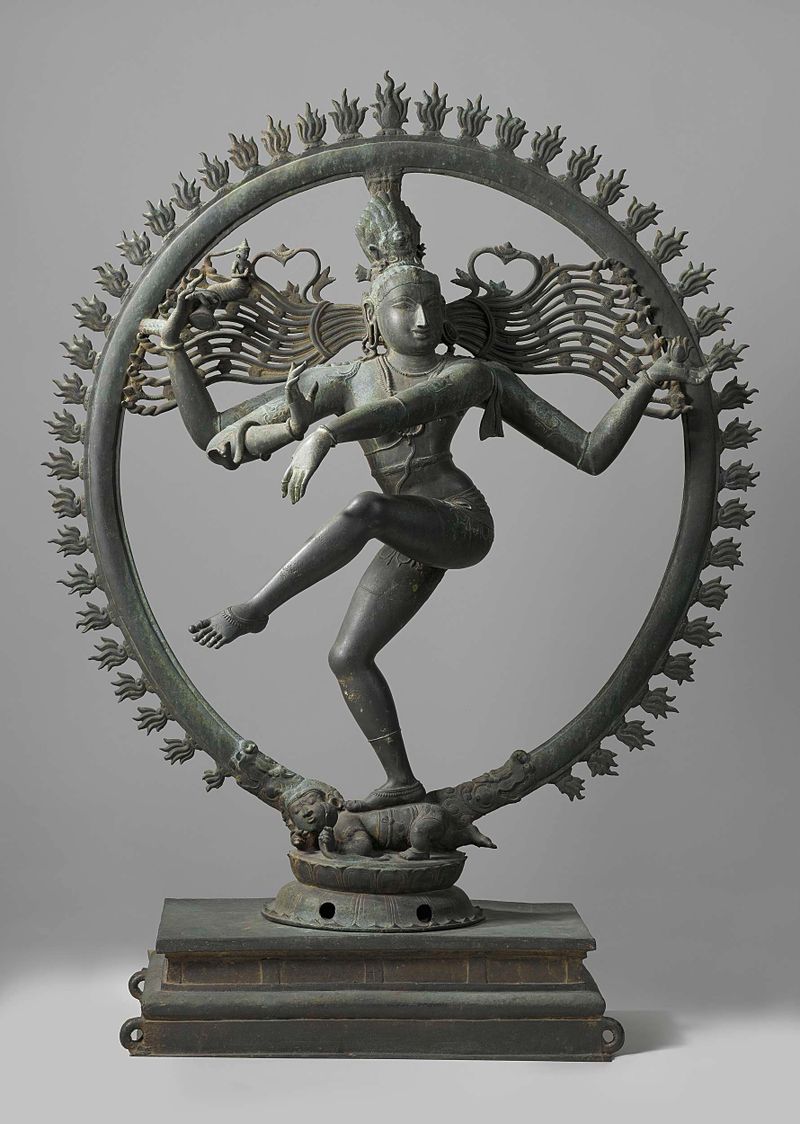
Shiva Nataraja
Unknown Artist
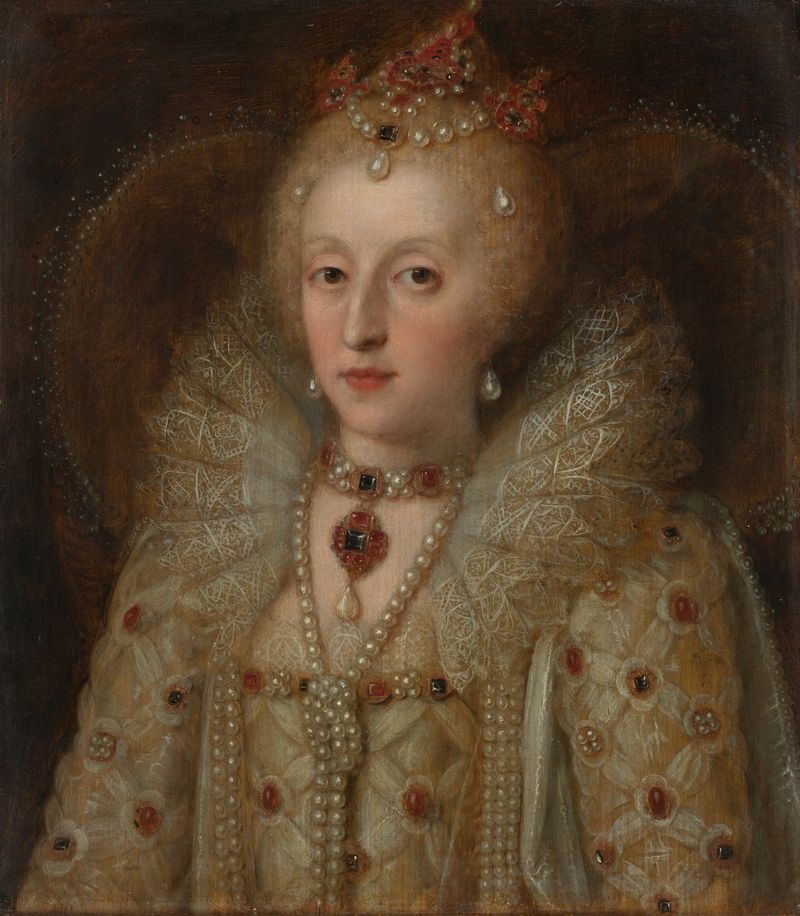
Portrait of Elizabeth I, Queen of England
Unknown Artist
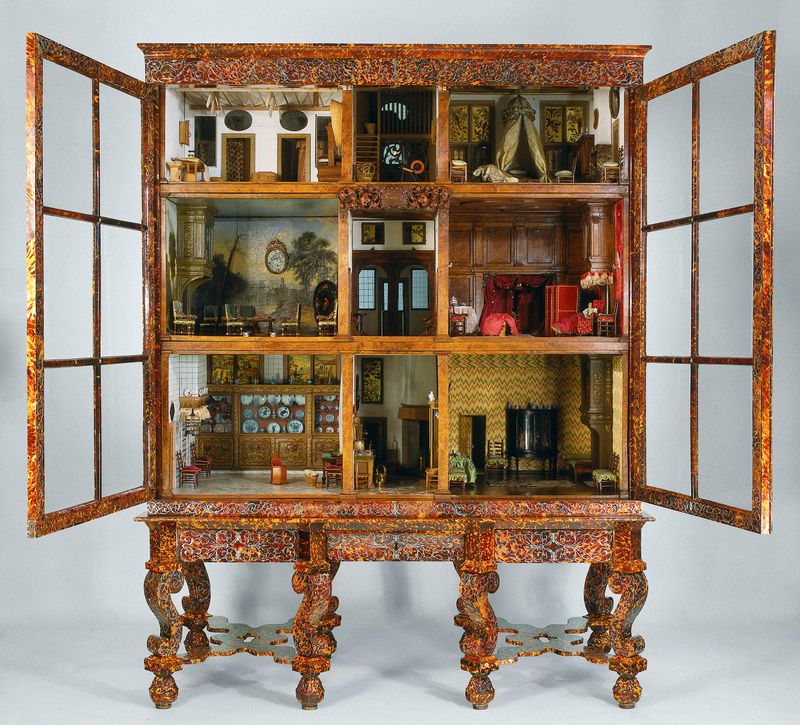
Dolls’ house of Petronella Oortman
Unknown Artist
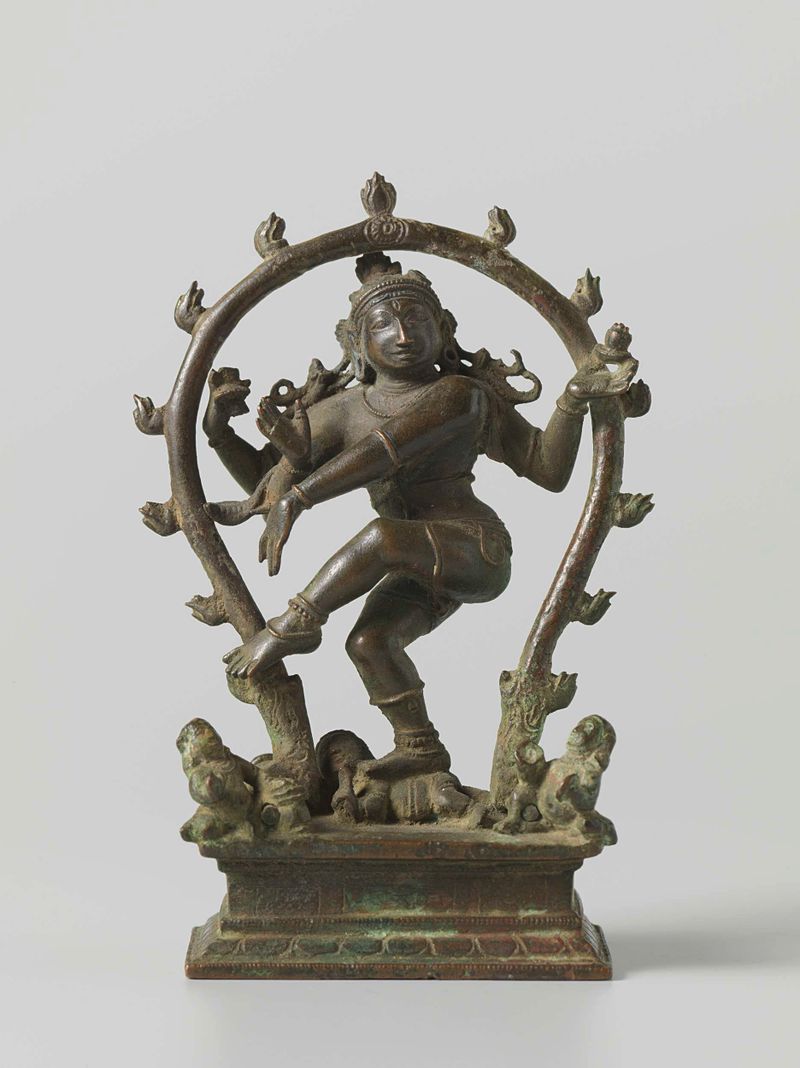
Shiva Nataraja
Unknown Artist

The Tale of Genji
Unknown Artist

The Tale of Genji
Unknown Artist

Cong
Unknown Artist
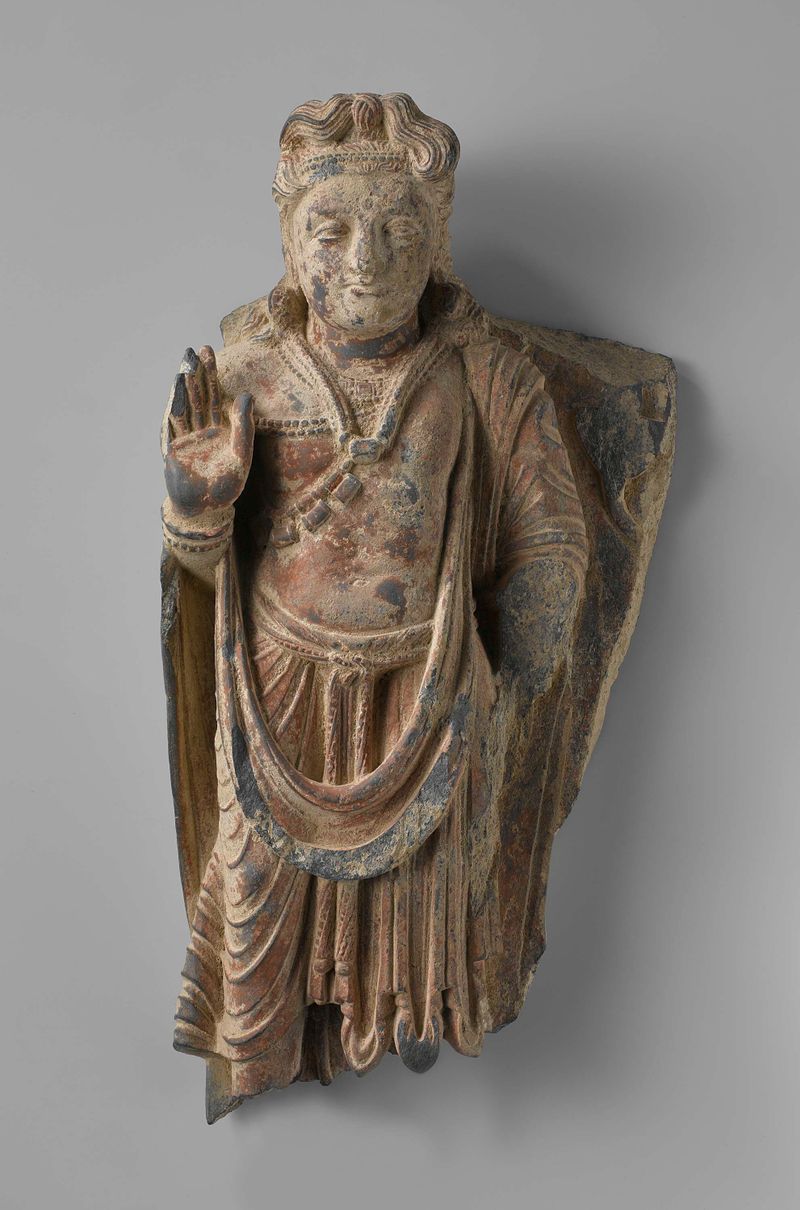
The bodhisattva Maitreya
Unknown Artist

Teabowl with a 'hare's fur' glaze
Unknown Artist
More Religious Art
Browse all →
The Return of the Prodigal Son
Rembrandt van Rijn

The Garden of Earthly Delights
El Bosco

Count Orgaz’ funeral
El Greco

The Hundred Guilder Print: the central piece with Christ preaching, the plate arched
Rembrandt van Rijn

The Descent from the Cross
Rogier van der Weyden

The return of the prodigal son
Rembrandt van Rijn