
Mis van de heilige Gregorius — History & Facts
What if beauty was never meant to be finished? In the delicate folds of Mis van de heilige Gregorius, the viewer is invited to wander through the layers of longing and completion, where every brushstroke encapsulates a moment that feels perpetually just out of reach. Look to the center, where the figure of St. Gregory stands, draped in rich robes that seem to absorb the light around them. Notice the intricate details of the vestments, the lavish gold and deep blues that reflect the reverence of his divine role.
The use of luminous colors contrasts starkly with the muted background, drawing the eye towards the central figure, a testament to the artist's skill in creating a focal point that resonates with an ethereal quality. Delve deeper, and you might find the subtle expressions on the faces of the surrounding figures, each revealing a story of their own. The yearning in their gazes speaks to the reverence and awe that the saint inspires, hinting at a longing for connection with the sacred. This interplay of joy and solemnity in the composition holds a mirror to humanity's own quest for beauty and meaning, as well as the frailty of existence that surrounds the divine. Created between 1480 and 1500, this piece emerged during a time of significant transition in Europe, where the end of the Middle Ages paved the way for the Renaissance.
The artist, though unknown, participated in a period where religious themes were paramount, yet there was also a burgeoning interest in human emotion and the natural world. This artwork reflects that cultural shift, embodying both the reverence for traditional spirituality and the emerging desire to explore the complex nuances of the human experience.
More Artworks by Unknown Artist
Browse all →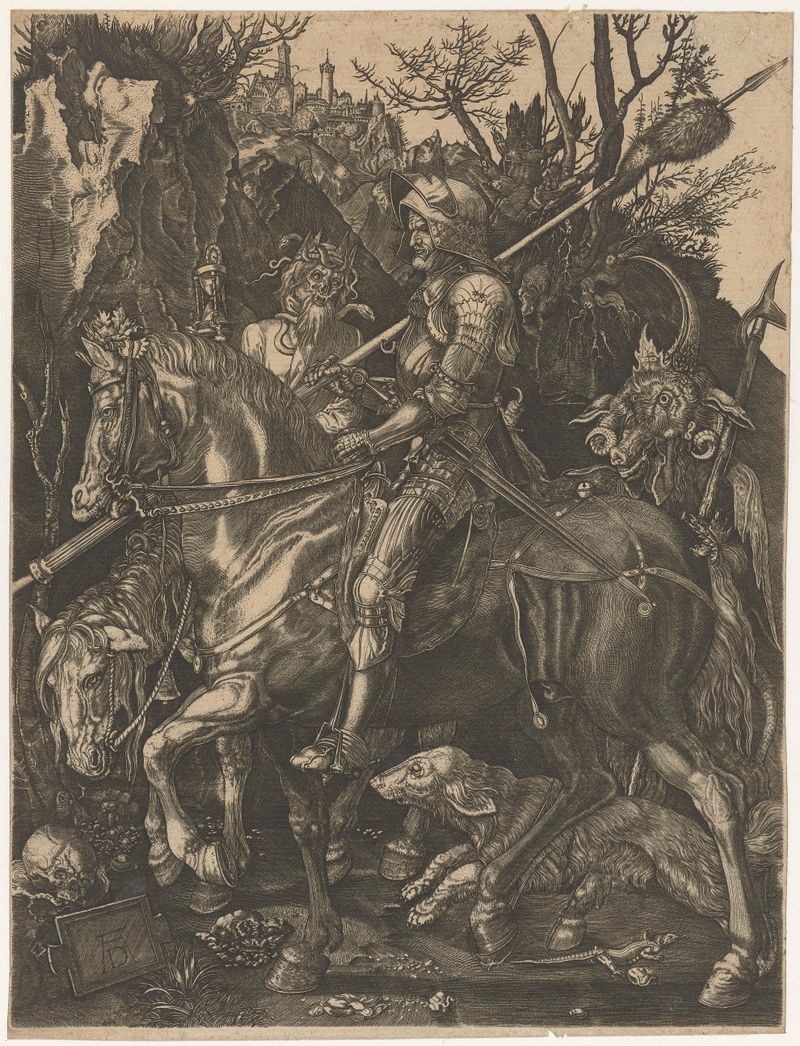
Ridder, Dood en Duivel
Unknown Artist
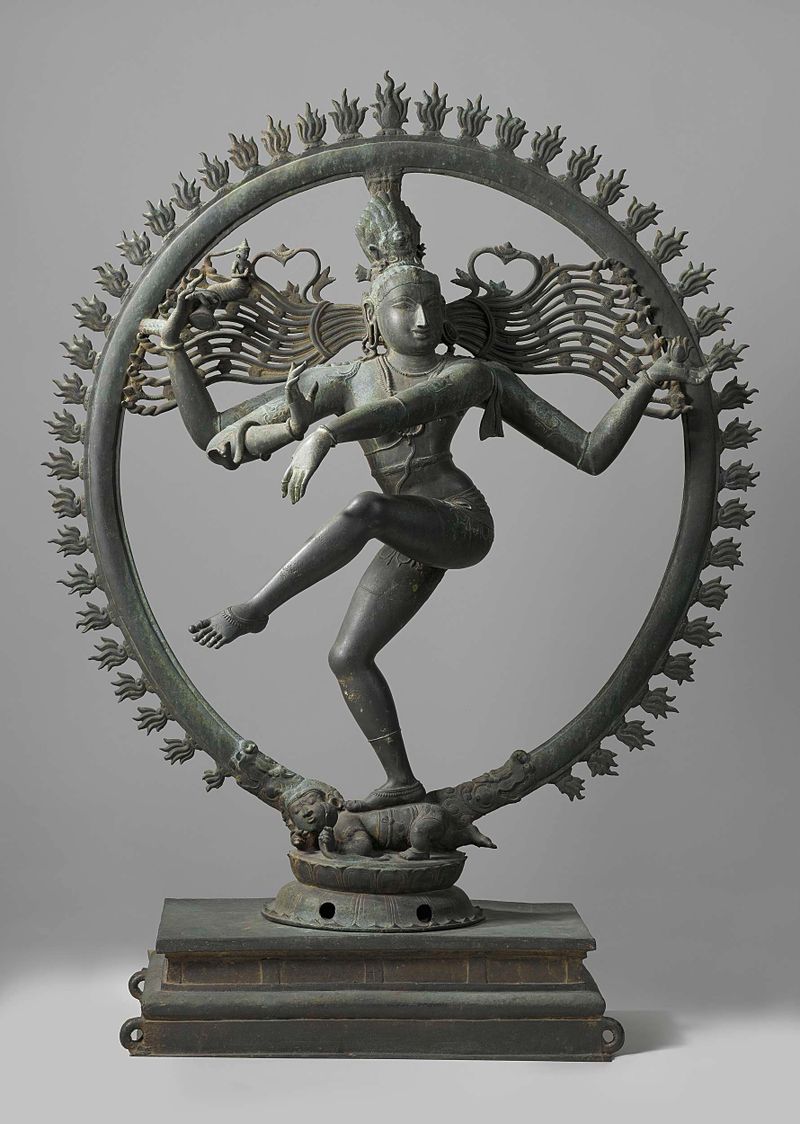
Shiva Nataraja
Unknown Artist
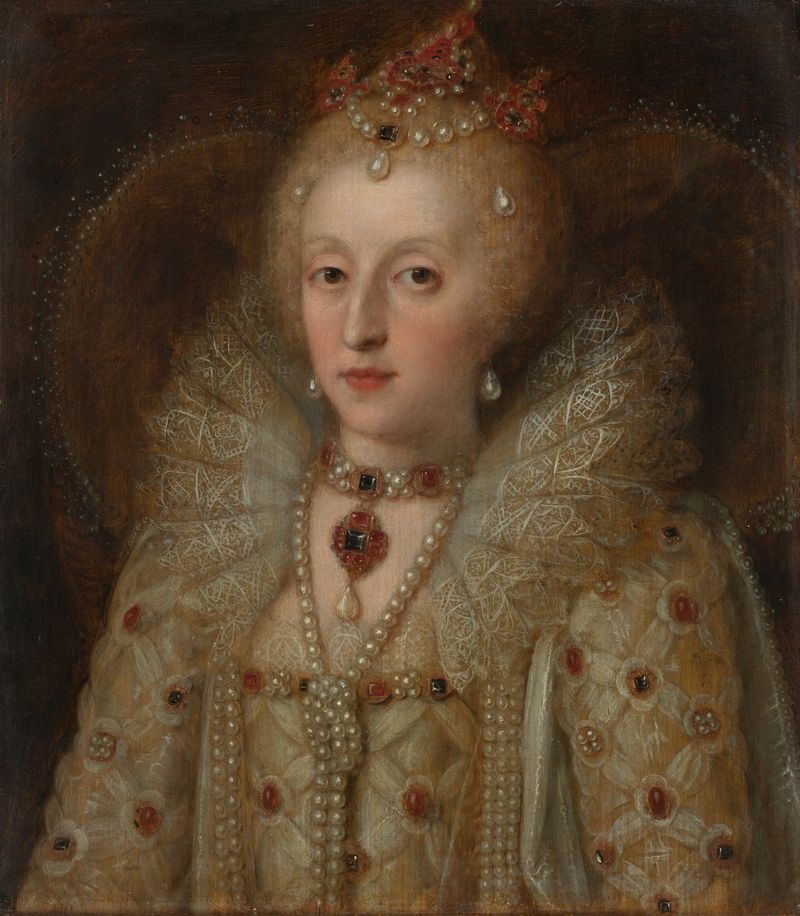
Portrait of Elizabeth I, Queen of England
Unknown Artist
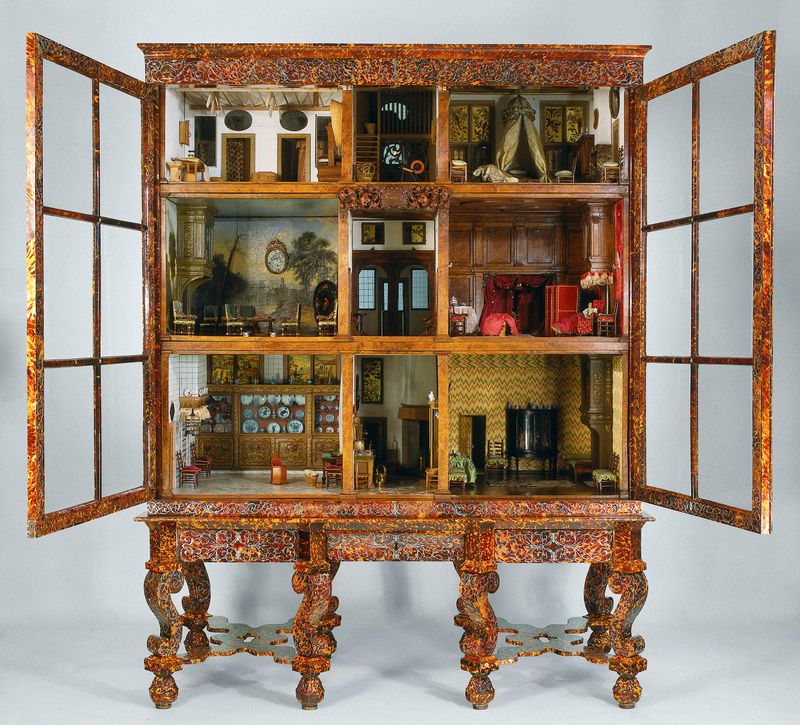
Dolls’ house of Petronella Oortman
Unknown Artist
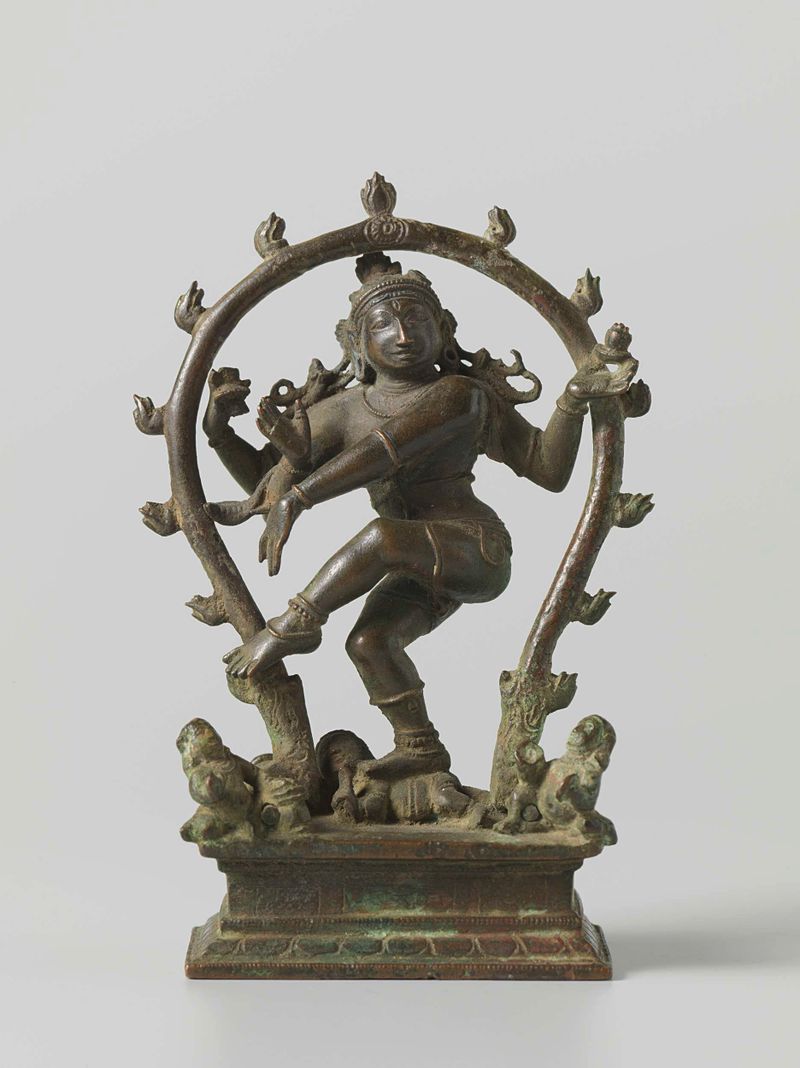
Shiva Nataraja
Unknown Artist

The Tale of Genji
Unknown Artist

The Tale of Genji
Unknown Artist

Cong
Unknown Artist
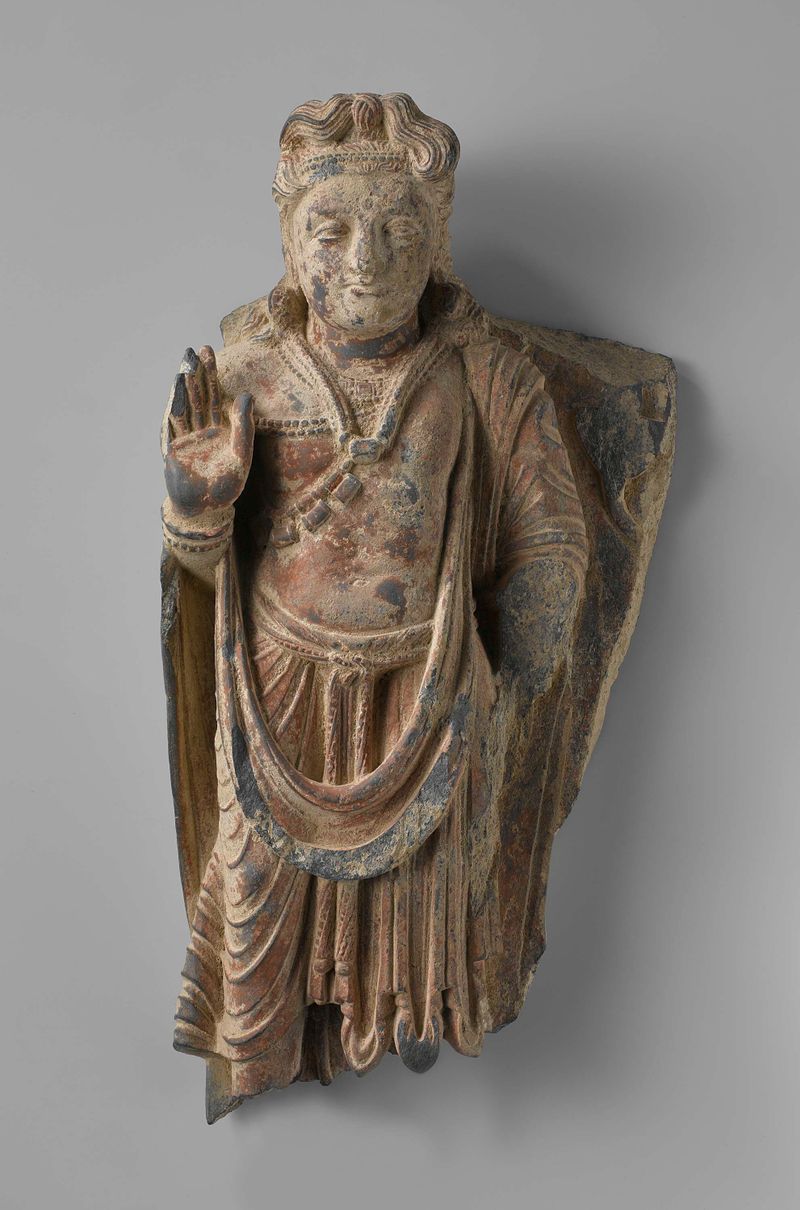
The bodhisattva Maitreya
Unknown Artist

Teabowl with a 'hare's fur' glaze
Unknown Artist
More Religious Art
Browse all →
The Return of the Prodigal Son
Rembrandt van Rijn

The Garden of Earthly Delights
El Bosco

Count Orgaz’ funeral
El Greco

The Hundred Guilder Print: the central piece with Christ preaching, the plate arched
Rembrandt van Rijn

The Descent from the Cross
Rogier van der Weyden

The return of the prodigal son
Rembrandt van Rijn