
Mist Rising at Sunset in the Catskills — History & Facts
In a world teetering on the edge of revolution, moments of tranquility become vital, fleeting treasures. Gifford encapsulates this sentiment in his breathtaking landscape, inviting viewers to pause and reflect upon the beauty that endures amidst chaos. Look to the foreground where soft, verdant hills gently rise, their contours kissed by the last light of day. Notice how the vibrant oranges and deep purples of the setting sun bleed into the mist, casting a silken veil over the landscape.
The delicate brushwork creates a harmonious interplay of light and shadow, drawing the eye towards the horizon where the sun reluctantly sinks, leaving behind whispers of warmth. The subtle layers of paint breathe life into the scene, conveying both the ephemeral quality of nature and the artist’s masterful technique. Yet beneath the serene surface lies an undercurrent of tension. The rising mist symbolizes not just the daily cycle of nature, but the uncertainties that loom on the cusp of change.
The blending of light and fog serves as a metaphor for memory — the transient beauty of the moment poised against the inevitability of time’s passage. One can sense the struggle between calm and turmoil, as if the landscape itself is holding its breath, waiting for the storm of change to arrive. In 1861, Gifford painted this work during a tumultuous period in American history, as the Civil War began to tear the nation apart. Living in the Hudson River Valley, an area celebrated for its natural beauty, he was deeply influenced by the transcendental ideals of nature and the Romantic movement.
This painting serves not only as a testament to his artistic vision but also as an emotional anchor in a time when the world was shifting, reminding viewers to seek solace in the enduring landscapes that surround them.
More Artworks by Sanford Robinson Gifford
Browse all →
Twilight in the Catskills
Sanford Robinson Gifford
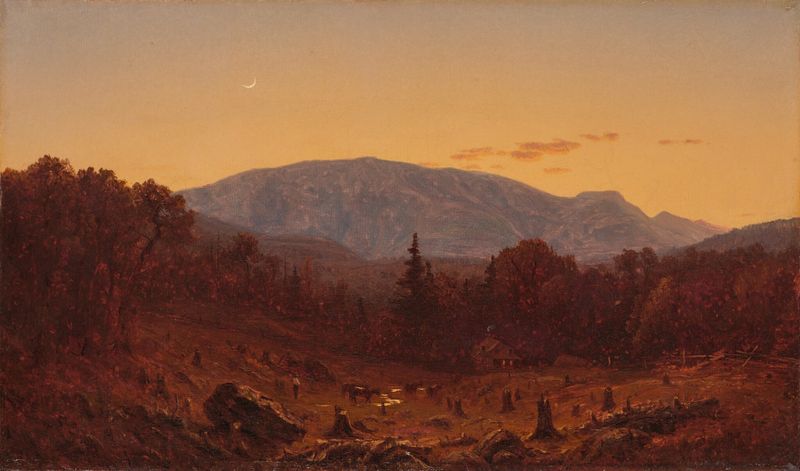
Twilight on Hunter Mountain
Sanford Robinson Gifford

Kauterskill Clove, Catskill Mountains
Sanford Robinson Gifford

Kauterskill Clove, Catskill Mountains
Sanford Robinson Gifford
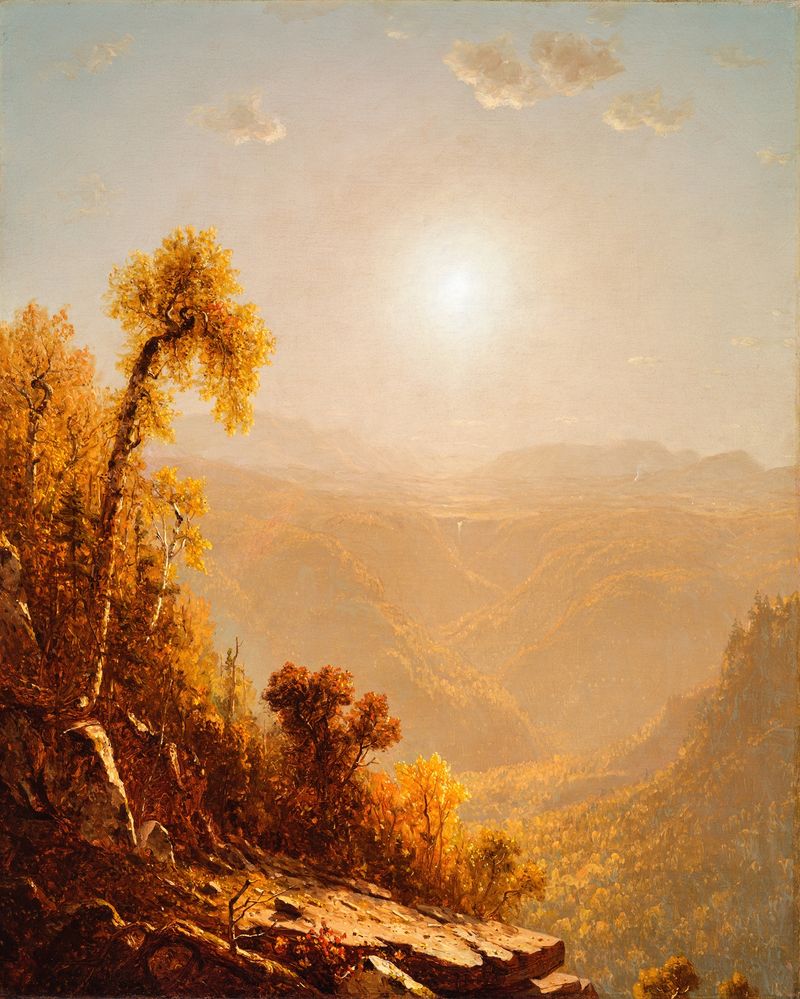
October in the Catskills
Sanford Robinson Gifford
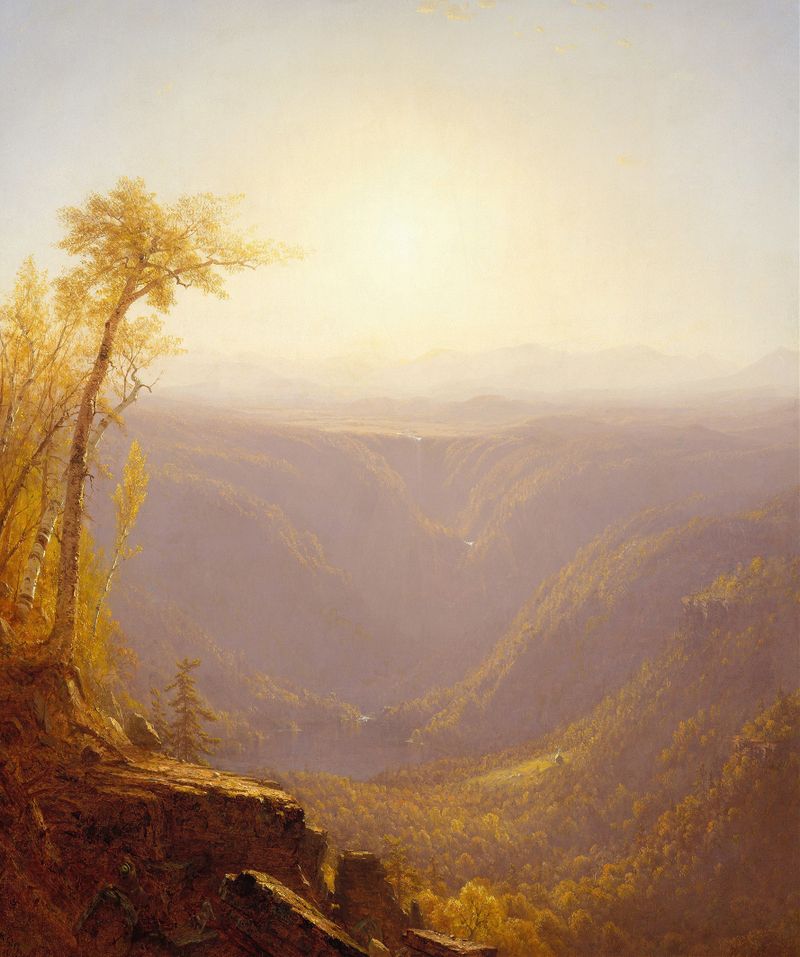
A Gorge in the Mountains (Kauterskill Clove)
Sanford Robinson Gifford
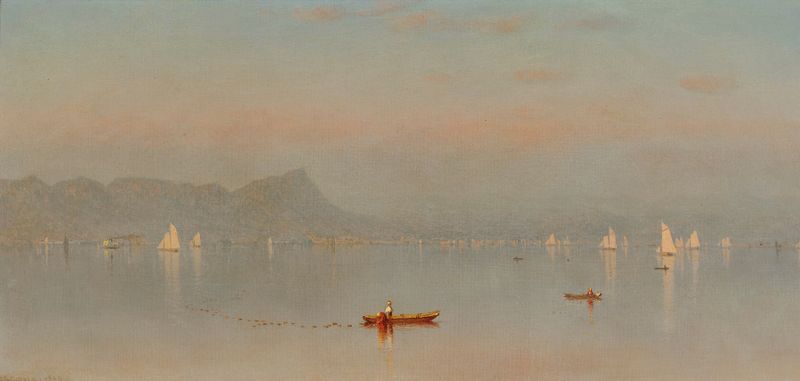
Haverstraw Bay (Shad Fishing On The Hudson)
Sanford Robinson Gifford

The Mouth of the Shrewsbury River
Sanford Robinson Gifford
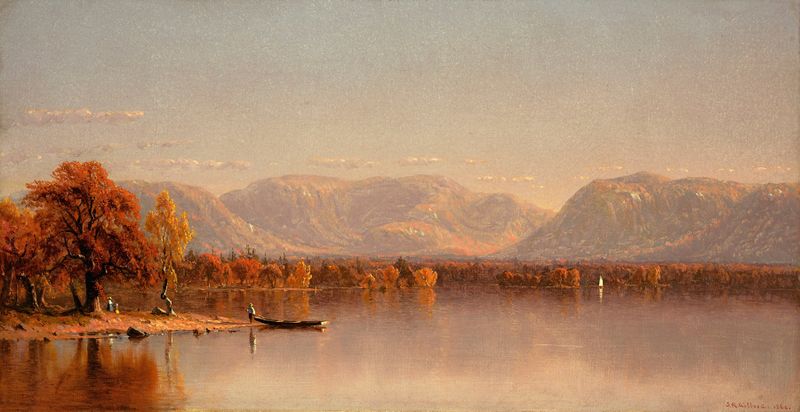
Lake Sunapee, New Hampshire
Sanford Robinson Gifford
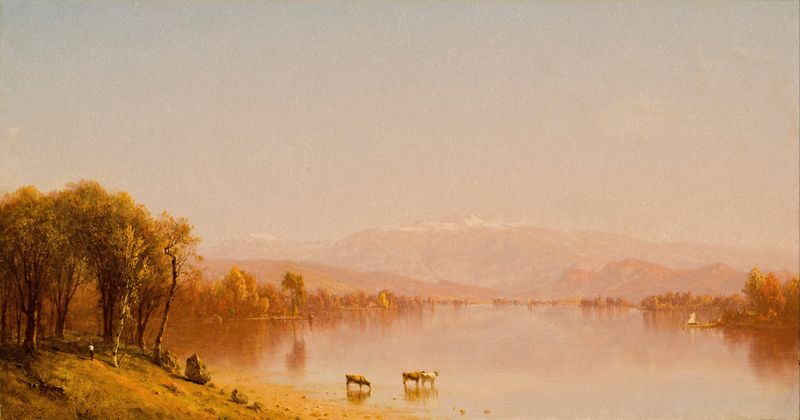
Indian Summer in the White Mountains
Sanford Robinson Gifford





