Moat at the Tower of London — History & Facts
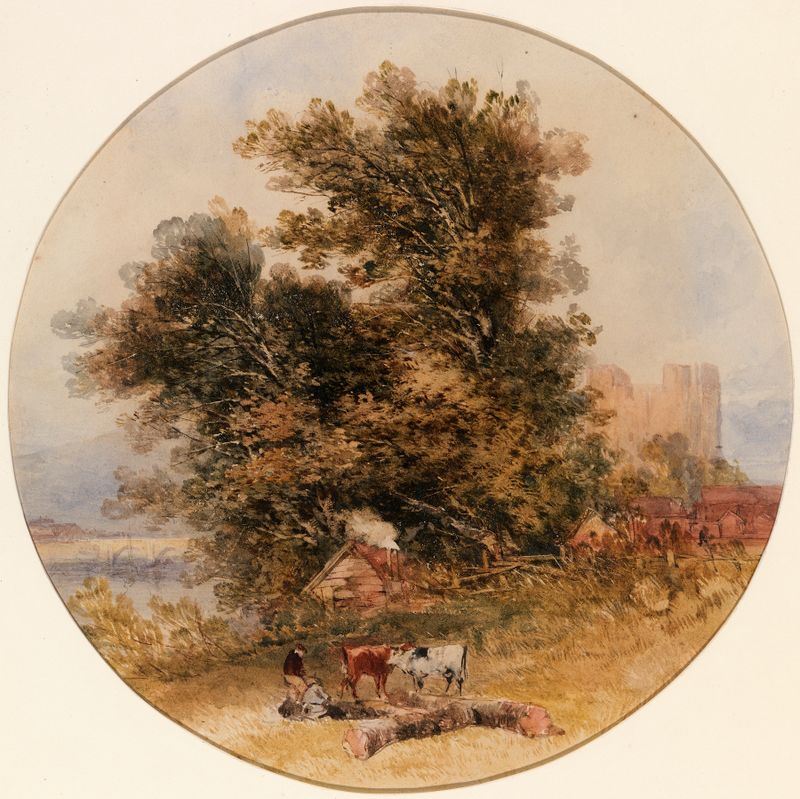
Where does light end, and longing begin? In the quiet reflection of water, we find not just a vision, but an invitation to explore the depths of our own desires and memories. Look to the center of the canvas, where the serene moat mirrors the imposing structure of the Tower of London. The murky water glimmers under the diffused light, creating an ethereal illusion that draws your eye deeper into its tranquil embrace. Notice how the brushstrokes blend in the distance, allowing the tower's formidable stone to soften against the gentle ripples, evoking a sense of calm juxtaposed with the weight of history.
This careful balance of light and shadow highlights not just the physicality of the scene, but its emotional resonance. As you examine the details, the tension between the solid, unyielding architecture and the fluidity of its reflection becomes palpable. The subtle variations of blue and gray evoke a melancholy that suggests both stability and impermanence. This interplay between the land and water captures a deeper longing—an illusion of peace that masks the turbulent past of this historic landmark.
Every ripple tells a story, every shadow hints at unspoken secrets. Created during an unspecified period in his career, the artist found inspiration in the iconic landscape of London. At the time, Howse was navigating a post-industrial art world, where traditional forms of representation were being challenged. His work reflects this transition, capturing the essence of a place steeped in history while simultaneously engaging with the shifting tides of artistic expression.